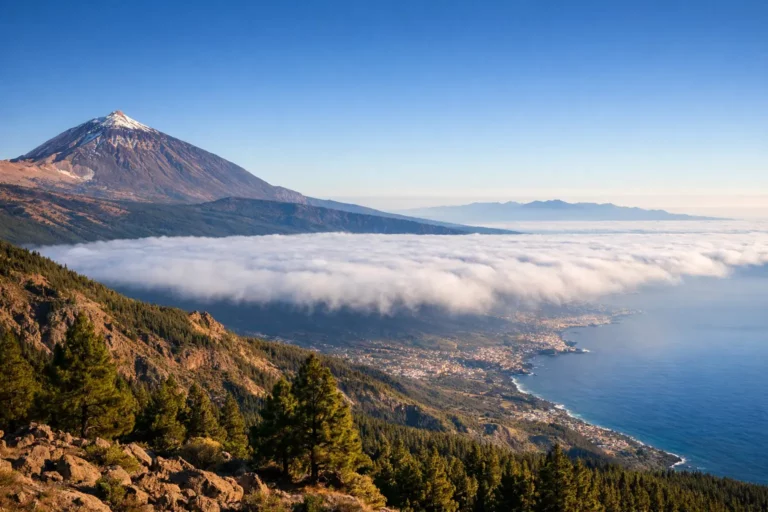
From the flybridge of a yacht off Costa Adeje, Tenerife’s sea can look impossibly blue, calm and inviting. Yet its character is shaped by a much larger Atlantic system: the Canary Current. This broad ocean current carries relatively cool water southwards along the eastern Atlantic, influencing the marine environment around the Canary Islands.
Understanding the Canary Current helps explain why the sea around Tenerife feels refreshing rather than tropical, how ocean conditions vary around the island, and why the waters here support such a rich variety of marine life.
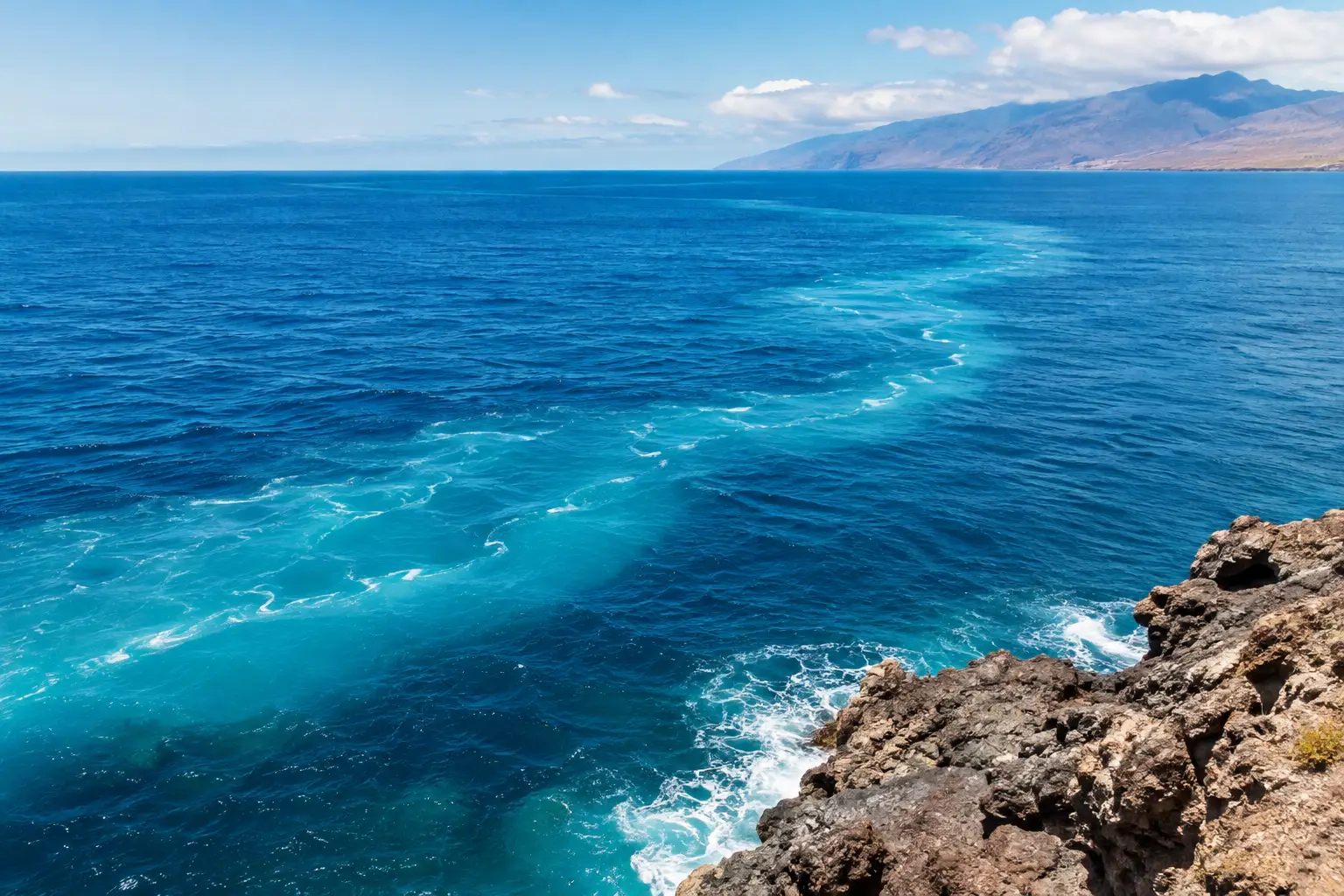
The Canary Current is a broad, generally southward-flowing ocean current in the eastern North Atlantic. It forms part of the North Atlantic subtropical gyre, a large system of circulating ocean currents. It transports relatively cool water towards the Canary Islands and the north-west African coast.
It is not a narrow river in the sea that passes Tenerife at a constant speed or follows exactly the same path every day. Instead, it is one influence within a much larger ocean system. Around the islands, its effects interact with trade winds, tides, local currents, underwater topography and Tenerife’s volcanic coastline.
For visitors exploring the island by yacht, this wider ocean circulation helps explain the character of the Atlantic. The water can be remarkably clear and inviting, yet retain the refreshing feel of an open ocean rather than the warmer conditions associated with some enclosed seas.
Tenerife enjoys a sunny subtropical climate, but the surrounding Atlantic is influenced by ocean circulation that helps keep sea temperatures relatively moderate. The Canary Current is part of this picture, although it is not the only factor responsible for the water temperature around the island.
Sea temperatures are generally coolest in late winter and early spring. By late summer and early autumn, the surface water is usually at its warmest. The exact temperature varies from year to year and can differ depending on location, depth and recent weather conditions.
This seasonal variation is part of Tenerife’s appeal. A refreshing swim after relaxing in the sunshine can be especially enjoyable during the warmer months. Even in summer, however, the breeze can make the water feel cooler once you leave the sun and step aboard the yacht.
Guests planning a longer swim or snorkelling session may prefer the warmer part of the year. Those who are comfortable with cooler Atlantic water can enjoy the sea in other seasons too, provided conditions are suitable.
The Canary Current provides the wider oceanographic backdrop, but local geography and weather determine what the sea feels like on a particular day.
Tenerife’s central volcanic mountain range rises high above the coast and influences the island’s wind patterns. The north-easterly trade winds frequently affect the northern and eastern areas, while parts of the south-west coast can be more sheltered from their direct influence.
This is one reason why the waters near Costa Adeje and Los Cristianos are often favoured for leisure cruising. On many days, they provide a more protected setting for coastal sightseeing, wildlife watching and swimming stops. However, shelter does not guarantee calm conditions. Atlantic swell can still reach the south-west coast, and local wind and sea conditions can change.
To understand the role of the prevailing winds in Tenerife’s maritime conditions, see our guide to the trade winds and their influence on Atlantic navigation.
Wind and swell are two different influences on the sea. Trade winds can create short, choppy waves at the surface, even when there is relatively little underlying ocean swell. Longer-period Atlantic swell may travel hundreds or even thousands of kilometres from distant weather systems before reaching Tenerife’s coastline.
Local currents can also develop around headlands, bays and changes in underwater topography. Their direction and strength may differ considerably from the broad southward flow of the Canary Current.
This is why a sunny forecast or apparently calm surface does not automatically mean that swimming is safe. Professional crews assess wind, swell, water movement and the conditions at the intended swimming location before deciding where to stop.
Flexibility is an important part of a comfortable day at sea. The most suitable route is the one that balances scenery, wildlife opportunities and swimming conditions on that particular day.
The Canary Current is associated with the productive eastern Atlantic ecosystem. Along the north-west African coast, wind-driven upwelling can bring deeper, nutrient-rich water towards the surface, supporting abundant plankton and marine food webs.
The situation around Tenerife is more complex. Nutrient levels and biological productivity vary with depth, season, local currents, winds and ocean mixing. The island’s underwater geography is also important: deep water lies relatively close to parts of the south-west coast, creating a distinctive marine environment.
Plankton forms the foundation of many marine food chains. It supports small marine organisms and fish, which in turn provide food for larger predators, seabirds and cetaceans.
The waters off south-west Tenerife are particularly well known for short-finned pilot whales, which can be encountered throughout the year, as well as several species of dolphins. The combination of deep offshore waters and a productive Atlantic environment makes this area an exceptional place for observing marine wildlife.
However, wild animals move according to their own feeding patterns and social behaviour. Sightings can never be guaranteed, and responsible wildlife watching means observing cetaceans without chasing, crowding or disturbing them.
Read more about whale watching in Tenerife and the marine environment that makes the island such a remarkable destination for cetacean encounters.
The waters around Tenerife can offer excellent underwater visibility, particularly during settled weather. However, it would be misleading to attribute clear water directly to the Canary Current alone.
Visibility depends on several factors, including plankton concentrations, suspended sediment, wave action, rainfall, local currents and the characteristics of the seabed. Rocky volcanic coastlines can offer very different underwater conditions from areas with sandy or sediment-rich bottoms.
There is also an important distinction between clear water and calm water. A sea can look transparent from the surface while still containing a current that is difficult to see. Excellent visibility does not necessarily indicate that a particular location is suitable for swimming.
The Atlantic around Tenerife offers plenty of opportunities for swimming and snorkelling, but the right location depends on the conditions at the time.
A well-planned swim stop involves more than choosing a beautiful bay. The crew needs to consider wind direction, swell, water movement, nearby boat traffic, anchoring conditions and the swimming ability of the guests.
Rocky coastal areas can provide interesting snorkelling opportunities, with fish and other marine life found around underwater formations. The species and visibility vary according to the location and season.
Guests who prefer a relaxed swim may be more comfortable in a sheltered bay on a calm day. Children and less confident swimmers should remain under close adult supervision and follow the crew’s instructions. Everyone should stay within the designated swimming area and use any safety equipment provided.
For more confident swimmers, the refreshing Atlantic water can be a highlight of a yacht trip. The important thing is to enjoy it in a location that the crew has assessed as suitable.
There is no single best month to go out on the water in Tenerife. The ideal season depends on what matters most to you: warmer swimming conditions, comfortable cruising, wildlife watching or the atmosphere of a sunset trip.
Summer generally offers the warmest sea temperatures and long, sunny days. It is an especially appealing period for guests who want to combine cruising with swimming and snorkelling.
Autumn often retains much of the summer warmth, including relatively warm surface water. It can be an attractive time for guests looking for a combination of comfortable swimming and pleasant cruising conditions.
Winter and spring bring cooler sea temperatures, but Tenerife remains a year-round destination for boat trips. The island often enjoys mild weather compared with much of mainland Europe, and cetaceans can be observed throughout the year. Conditions at sea may be more changeable, so route selection and flexibility remain important.
Morning trips can appeal to guests who enjoy softer light and an early start. Sunset cruises offer a different atmosphere, with the coastline gradually taking on warmer colours as the sun approaches the horizon. Neither time of day guarantees calmer water: conditions depend on the weather and swell on the day.
For a more detailed seasonal overview, see our guide to the best time for a yacht charter in Tenerife.
The Canary Current is just one part of what makes Tenerife’s marine environment distinctive. The island’s volcanic geography, prevailing winds, deep offshore waters and changing ocean conditions all contribute to the experience of being out on the Atlantic.
At Royal Ocean, each trip is planned around the conditions on the day. The crew considers the sea state and available route options to create a comfortable experience, whether the priority is coastal sightseeing, wildlife watching or a relaxing swim stop.
Understanding the ocean adds another dimension to a yacht trip. The clear water, the changing coastline and the possibility of encountering whales or dolphins are not isolated attractions: they are all part of a living Atlantic environment.
The Canary Current helps shape that environment, giving Tenerife’s sea its refreshing character and connecting the island to one of the great ocean circulation systems of the North Atlantic.
The Canary Current is a broad, generally southward-flowing ocean current in the eastern North Atlantic. It forms part of the North Atlantic subtropical gyre and transports relatively cool water towards the Canary Islands and the north-west African coast.
Tenerife is surrounded by the Atlantic, where ocean circulation helps keep sea temperatures relatively moderate. The Canary Current contributes to this, although seasonal changes, weather and local ocean conditions also influence water temperature.
Tenerife’s high volcanic terrain influences the prevailing north-easterly trade winds and can shelter parts of the south-west coast from their direct effects. However, Atlantic swell and changing local weather can still affect sea conditions.
The Canary Current is part of a productive eastern Atlantic ecosystem, but whale and dolphin distribution around Tenerife also depends on deep offshore waters, food availability and local ocean conditions. Short-finned pilot whales and several dolphin species can be encountered throughout the year.
Not directly on its own. Water clarity depends on several factors, including plankton, suspended sediment, wave action, rainfall, local currents and seabed conditions. Tenerife can offer excellent underwater visibility, particularly during settled weather.
Swimming can be enjoyable when conditions are suitable, but safety depends on wind, swell, currents, location and individual swimming ability. Always follow the crew’s instructions and use only the designated swimming area during a yacht trip.