If you are choosing between Europe’s best island escapes, the weather on arrival is only half the story. A useful European resort islands climate and geography comparison looks at what the land itself does to the experience — how mountains trap cloud, how Atlantic winds cool summer heat, and how sheltered coasts create calmer water for swimming, sailing and whale watching.
For travellers planning a refined holiday rather than a rushed package break, those details matter. The same headline temperature can feel entirely different on two islands, depending on humidity, breeze, sea state and terrain. That is why some islands suit long lunches by the marina, some are better for beach days, and some shine most when seen from the water.
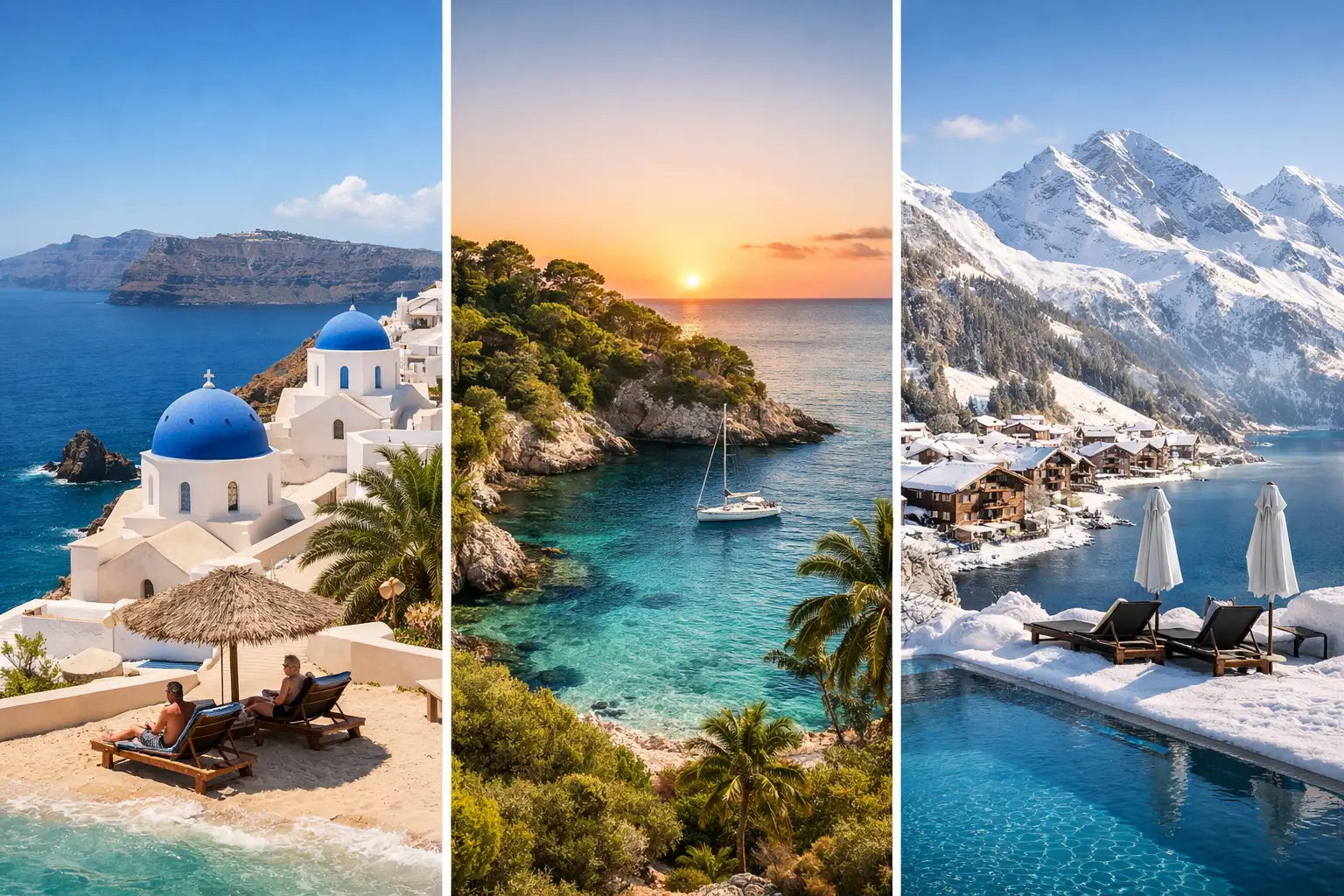
Most people begin with averages — sunshine hours, peak summer temperatures, sea temperature. They are useful, but they do not explain why Tenerife can feel pleasantly warm when other destinations are stifling, or why Mallorca can offer both calm resort bays and more exposed, windy stretches in the same week.
Geography is the missing piece. Mountain ranges, volcanic formations, orientation to prevailing winds and the shape of the coastline all affect cloud cover, water conditions and even how crowded a resort area feels. For a premium traveller, this is not academic. It influences whether a yacht charter feels smooth and leisurely, whether a sunset cruise is crisp or balmy, and whether a beach afternoon feels elegant or simply too hot.
| Destination | Primary Climate Driver | Summer Peak Comfort | Sea & Yachting Conditions |
|---|---|---|---|
| Atlantic Islands (Tenerife) | Cooling Trade winds & Canary Current | Balanced (24–28°C), low oppressive humidity | Highly stable year-round; sheltered southern waters |
| Western Mediterranean (Mallorca) | Closed sea thermal system & continental air | Intense summer heat (30–35°C+), very warm water | Beautiful pine calas, but strictly seasonal (May–Oct) |
| Aegean Islands (Santorini / Mykonos) | Continental warmth & Meltemi summer winds | Hot, dry and sunny with high seasonal crowds | Stunning volcanic scenery, but prone to choppy summer seas |
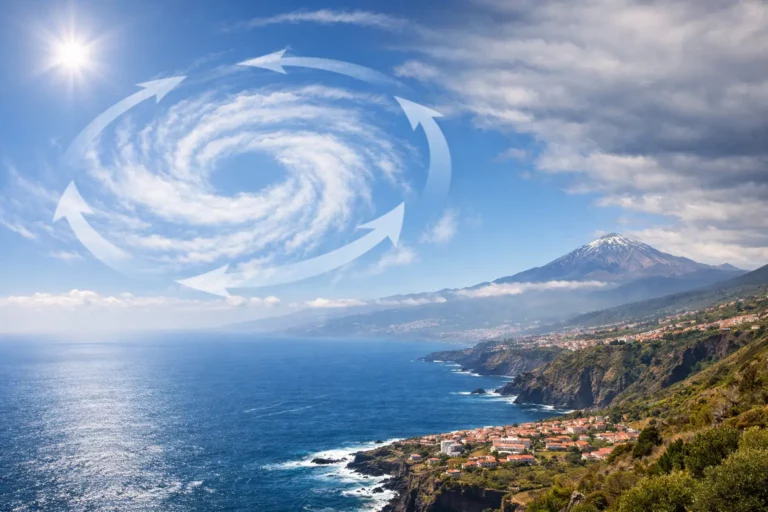
Tenerife sits in a category of its own for many travellers because its climate is unusually balanced across the year. The island’s position in the Atlantic, combined with cooling trade winds, keeps conditions mild when much of southern Europe becomes more intense in midsummer. That often makes outdoor dining, coastal cruising and time on deck feel more comfortable, especially for guests who want sunshine without oppressive heat.
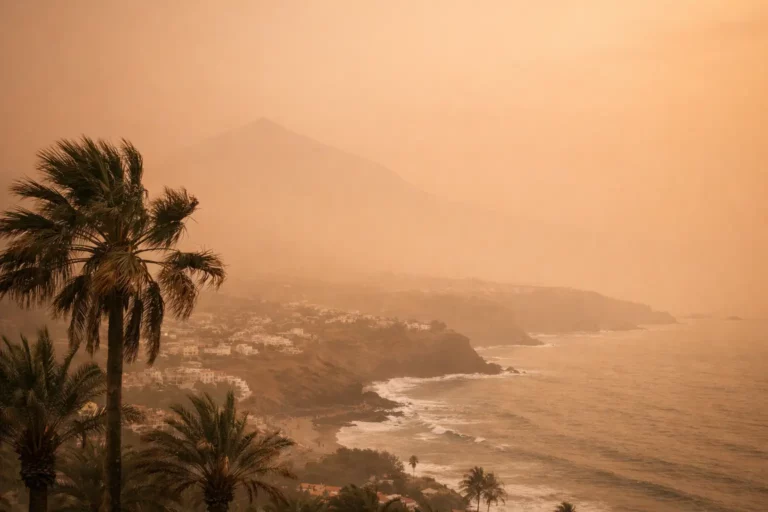
Its geography is equally important. Tenerife is volcanic and dramatic, with Mount Teide dominating the interior and creating distinct microclimates. The north is greener, often cloudier and more humid. The south, where many premium resorts and marinas are based, is drier, sunnier and more dependable for sea-based experiences. For visitors staying around Costa Adeje or Los Cristianos, this is one of the island’s great advantages — you can enjoy stable weather and calmer leisure conditions while still having access to striking scenery.
Madeira, by contrast, is lush, steep and beautifully theatrical. It appeals to travellers who love scenery, gardens and a more polished, quietly sophisticated atmosphere. Yet its dramatic topography also means weather can shift quickly. Warm sunshine can give way to mist or showers as air moves across the hills. For some guests that variability is part of the charm, but for those prioritising uninterrupted beach weather or gentler sea conditions, Madeira is less predictable than Tenerife.
Across the Canary Islands more broadly, Lanzarote and Fuerteventura are drier and more windswept. They offer a beautiful, pared-back landscape and excellent conditions for watersports, but the same breeze that attracts windsurfers may not suit every traveller seeking a relaxed day on a yacht in complete comfort. Gran Canaria has useful variety, though resort experiences can differ sharply depending on the coast.
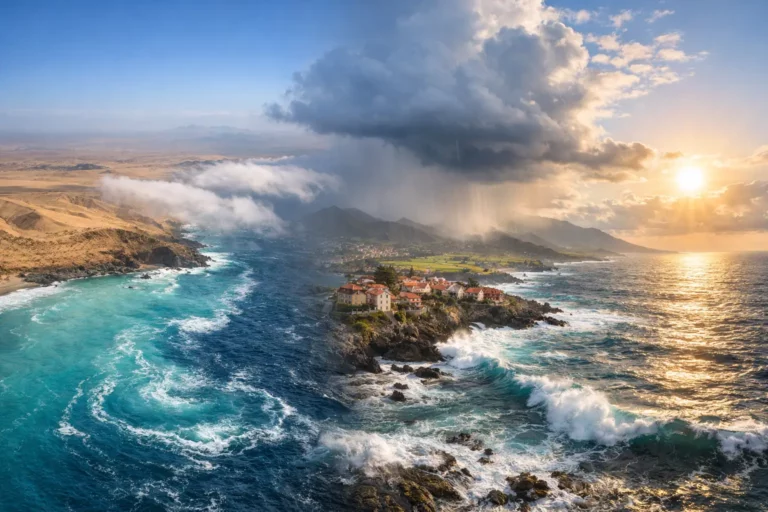
The Mediterranean islands usually deliver warmer sea temperatures in high summer and a very different visual mood. Pine-fringed coves, softer terrain and calmer blue waters shape the classic European summer image. Yet the climate is often more extreme in peak season, and the rhythm of the day changes with it.
Mallorca is perhaps the most versatile. It combines polished marinas, elegant resorts, sandy bays and the Serra de Tramuntana, which influences wind and weather on the island’s western side. In spring and early autumn, Mallorca can feel almost ideal — warm, bright and stylish without the intensity of July and August. In peak summer, however, heat can become more demanding, especially inland or in areas with less breeze. For charter guests, the north and west can also become more exposed depending on conditions, while the south often feels gentler.
Ibiza is smaller, socially more famous and often misunderstood. Yes, it has nightlife, but it also has beautiful calas, fine dining and an upscale boating culture that suits couples and private groups extremely well. Its geography creates lovely sheltered pockets, though demand in peak season brings a level of energy and crowding that does not suit everyone. If your priority is a chic social atmosphere, Ibiza excels. If you want a quieter sense of space, Tenerife often feels more relaxed.
Menorca tends to be softer and calmer in character. It has attractive beaches and a more understated pace, but it can be affected by winds that change sea conditions around the island. Sardinia and Sicily are both strong options for scenery and food-led travel, yet distances, driving times and summer heat can make them feel less effortless as resort islands than their brochure images suggest.
The Greek islands are among Europe’s most seductive holiday destinations, especially for couples and celebration travel. Whitewashed villages, clear water and memorable sunsets have obvious appeal. Still, they are not all interchangeable.
Santorini is visually extraordinary because of its volcanic caldera, but that same geography means dramatic cliffs, fewer easy beaches and a holiday that is often more about views, dining and atmosphere than easy resort living. It is a superb choice for romance and milestone moments, although peak-season crowds can reduce the sense of exclusivity.
Mykonos is polished and glamorous, with excellent hospitality and a strong luxury market, but it can also be windy and very busy in summer. Crete is larger and more varied, offering beaches, mountains and culture, though travel times within the island can be longer than many guests expect. Corfu is greener and softer, with a more humid climate and a very different feel from the Cyclades.
For boating, the Greek islands can be magnificent, but meltemi winds in parts of the Aegean create a genuine trade-off. The scenery is superb, yet sea conditions are not always as gentle as luxury travellers imagine when they picture a relaxed day afloat.
There is a reason seasoned travellers increasingly look beyond the hottest destination and towards the most comfortable one. Heat on paper does not always equal pleasure in practice.
The Mediterranean often wins on bath-warm sea temperatures in midsummer. If your ideal day is continuous beach time, swimming and lively marina evenings, islands such as Mallorca, Ibiza and parts of Greece are excellent. But the hottest weeks can be draining, particularly for guests who prefer long sightseeing days, elegant lunches outdoors or private cruises where comfort matters as much as sunshine.
This is where Tenerife stands out. Its southern coast offers a more even climate through more months of the year, with fewer extremes. Winter sun is one obvious advantage, but even in warmer seasons the island often feels easier to enjoy from morning to evening. For yacht guests, that balance matters. A premium experience relies on being able to relax, move comfortably around the deck, enjoy food and drinks, and take in the coastline without battling excessive heat or unsettled conditions.
If part of your holiday includes time on the water, geography matters even more than it does on land. Islands with exposed coastlines or strong seasonal winds can still be beautiful, but the mood on board changes quickly when conditions become lively.
Tenerife’s south-west coast is particularly appealing because it offers scenic cruising with a sense of shelter and consistency that many visitors do not fully appreciate until they experience it. The volcanic coastline gives the island a dramatic visual identity from the sea, while the marine environment adds another dimension entirely. In the right area, a luxury yacht experience becomes more than transport or sightseeing — it becomes part of the destination itself.
That is one reason premium operators such as Royal Ocean focus so strongly on comfort, service and space. On an island where geography and climate support year-round enjoyment on the water, a well-run yacht charter is not just an extra activity. It can be one of the most memorable ways to experience the island properly.
If you want classic Mediterranean glamour, warm summer swimming and a social marina scene, Mallorca and Ibiza are strong contenders. If you want iconic romance and dramatic views, Santorini remains special despite the crowds. If you favour green landscapes and a gentler pace, Madeira or Corfu may suit you.
But if your priority is reliable sunshine, attractive temperatures, striking scenery and a sea-based holiday that feels comfortable rather than frantic, Tenerife is exceptionally well placed. Its climate is not simply warm. It is workable, elegant and forgiving across the seasons. Its geography does not just look impressive in photographs. It actively improves the holiday, especially for travellers who value privacy, polished service and time on the water.
The smartest island choice is rarely the one with the highest temperature or the most famous beach club. It is the one whose climate and geography match the kind of memories you actually want to take home.