Tenerife's subtropical oceanic climate makes it one of Europe's premier year-round yacht charter destinations. Located in the Northeast Trade Wind belt, the island offers consistent sailing conditions with minimal rainfall and stable temperatures that attract yacht enthusiasts from around the world.

Tenerife experiences a Mediterranean-style rain pattern, with most precipitation occurring between October and March. The island's position in the Atlantic Ocean, combined with the protective influence of Mount Teide, creates distinct microclimates that significantly impact sailing conditions.
Tenerife’s rainfall is concentrated between October and March, averaging 296 mm per year and 40 rainy days annually.
Key Climate Features
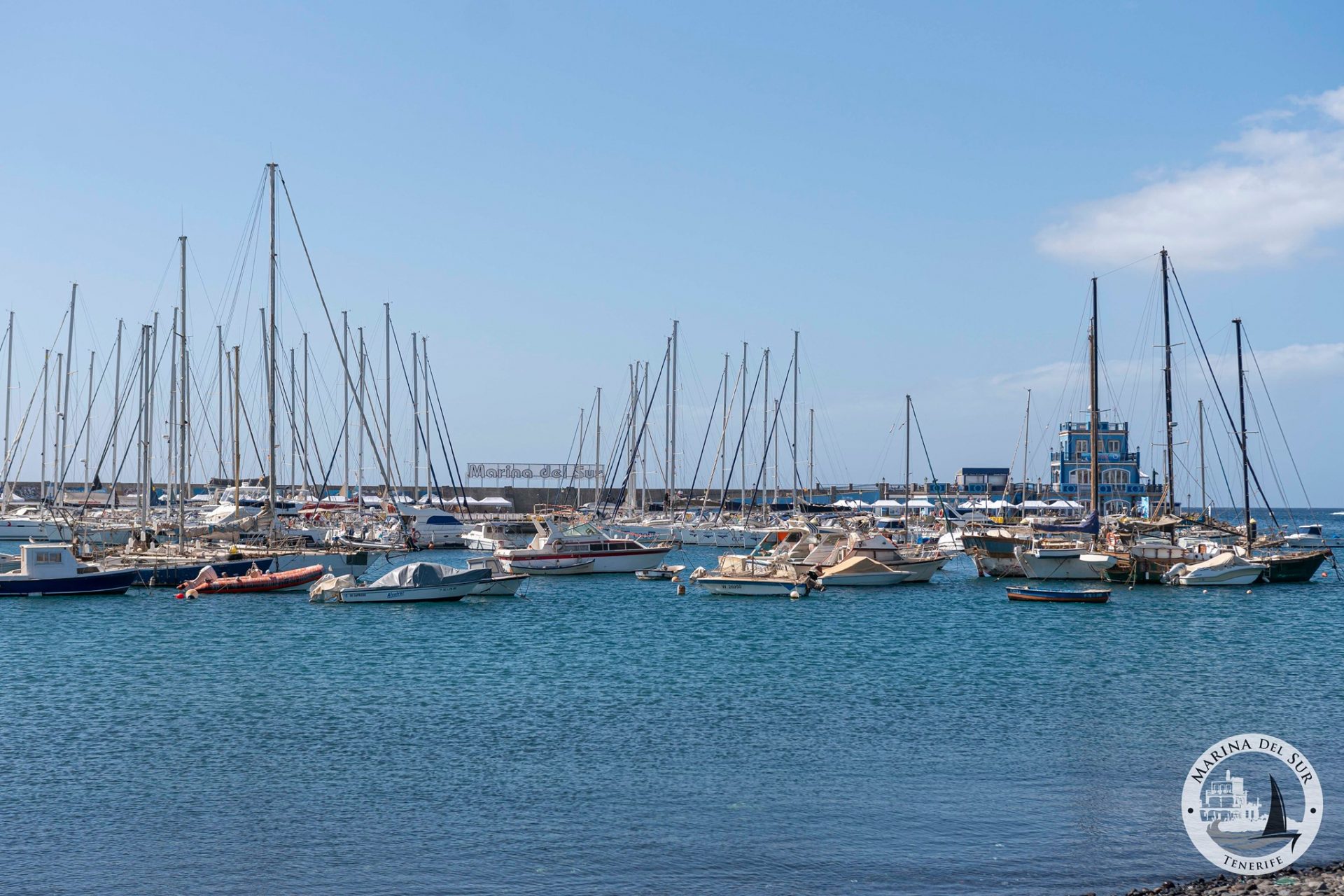
The south coast, where major marinas like Marina del Sur, Puerto Colon, and Los Gigantes are located, remains protected from prevailing winds by mountain ranges, creating ideal conditions for luxury yacht operations.

| Month | Air Temp (°C) | Sea Temp (°C) | Rainfall (mm) | Trade Winds |
|---|---|---|---|---|
| Jan | 15-21 | 20.0 | 30 | 15-20 kn |
| Feb | 14-20 | 19.3 | 24 | 15-20 kn |
| Mar | 16-22 | 19.2 | 20 | 15-25 kn |
| Apr | 17-23 | 19.6 | 10 | 15-25 kn |
| May | 19-24 | 20.3 | 5 | 20-25 kn |
| Jun | 21-27 | 21.4 | 2 | 20-30 kn |
| Jul | 22-29 | 22.1 | 1 | 20-30 kn |
| Aug | 23-29 | 23.0 | 1 | 20-30 kn |
| Sep | 22-28 | 23.8 | 6 | 20-25 kn |
| Oct | 20-27 | 23.7 | 17 | 15-25 kn |
| Nov | 18-24 | 22.6 | 36 | 15-20 kn |
| Dec | 16-22 | 21.1 | 56 | 15-20 kn |
Weather Conditions
Winter in Tenerife offers mild temperatures with air temperatures ranging from 14-21°C and sea temperatures around 19-20°C. December is the wettest month with 56mm of rainfall over 8 days, while January and February see significantly less precipitation.
Sailing Advantages
Considerations
Cooler water temperatures may require light wetsuits for swimming and snorkeling activities. Occasional Atlantic storm systems can affect conditions, though these are infrequent.
Spring represents the optimal yacht charter period in Tenerife. March marks the transition to warmer, drier conditions with temperatures climbing from 16-22°C in March to 19-24°C in May.
April Weather
April offers exceptional conditions with average air temperatures of 23°C, sea temperatures around 20°C, and only 10mm of rainfall. The month provides 8 hours of daily sunshine with minimal cloud cover.
May Advantages
May is considered outstanding for yacht charter with mid-20s temperatures, 9 hours of sunshine daily, and virtually no rainfall - typically just 5mm for the entire month. Sea temperatures reach a comfortable 20°C, perfect for water activities.
Summer delivers hot, dry conditions with virtually guaranteed sunshine. June through August offers 9-11 hours of daily sunshine with minimal precipitation.

June-July
August-September Peak
August reaches the highest temperatures of 29°C with sea temperatures peaking at 23-24°C. September maintains excellent conditions with the warmest sea temperatures averaging 24°C.
Summer Considerations
Strong trade winds of 20-30 knots create excellent sailing conditions but may challenge inexperienced sailors. Wind acceleration zones between islands can increase speeds by 10-15 knots.
Autumn extends the sailing season with comfortable conditions. October maintains summer-like temperatures of 20-27°C with peak sea temperatures of 24°C. November sees a gradual transition with temperatures of 18-24°C and increased rainfall to 36mm.
Tenerife lies within the Northeast Trade Wind belt, which delivers consistent wind conditions ideal for yacht charter year-round. These winds form as air flows from the Azores High pressure system toward the equator, veering southwest due to the Coriolis effect. On Tenerife, trade winds typically blow from the northeast at speeds of 15–30 knots, with the strongest and most reliable conditions occurring between June and October.
Trade Wind Characteristics
The island’s mountainous terrain creates wind acceleration zones (WAZ) in narrow channels between high points, where wind speeds can increase by 10–15 knots over short distances. These WAZ are most pronounced around the eastern and western islets and require experienced handling but also offer exhilarating sailing conditions.
For a detailed overview of our flagship vessel’s features and how it handles trade winds, see the Princess 440 Flybridge specifications on our site: Princess 440 Flybridge.
When you’re ready to reserve your ideal sailing dates, visit our booking page for availability and pricing details: Book Your Charter.
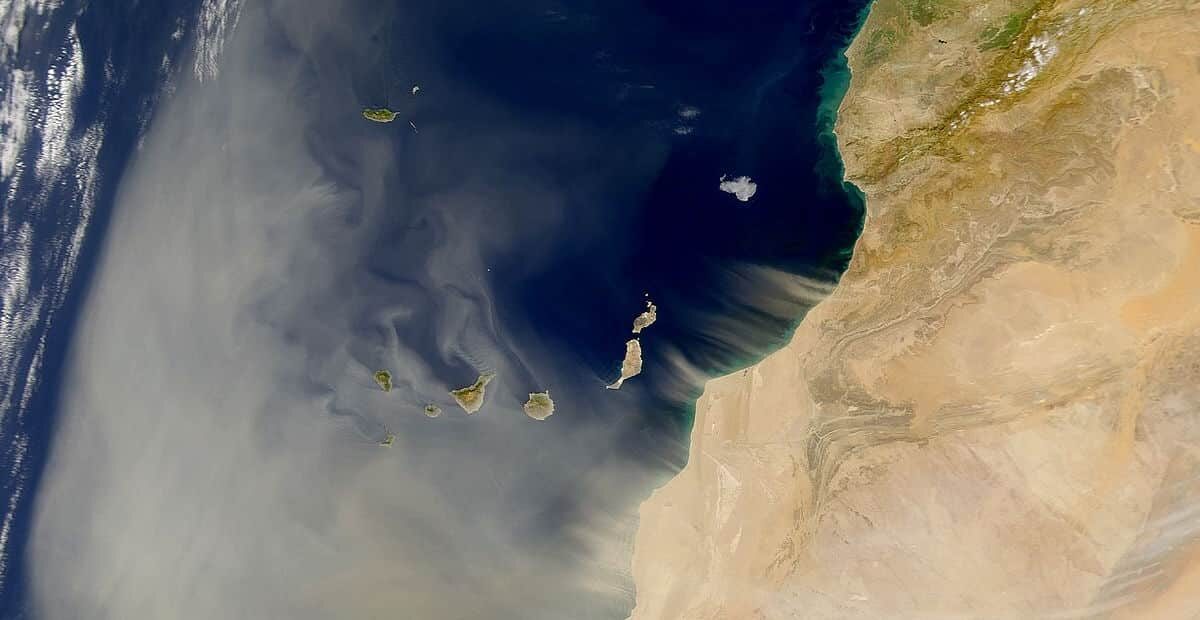
Calima is a meteorological phenomenon in which hot, dry winds carry Saharan dust over the Canary Islands, typically occurring between late spring and early autumn. During calima events:
Charter Considerations
Calima typically lasts from a few hours to several days. By anticipating these events and adjusting routes and onboard preparations, charter operators can maintain safe operations and preserve guest comfort even during Saharan dust incursions.
Tenerife's protected southern waters provide excellent yacht charter conditions with wave heights typically ranging from 0.5-1.5 meters. The island's position shields the south coast from Atlantic swells, creating calmer sailing conditions.
Tidal Information
Best Overall Months: April, May, September, October
These months offer the ideal combination of warm temperatures, minimal rainfall, moderate winds, and fewer tourists.
Peak Season: June-August
Summer months provide guaranteed hot weather and excellent sea conditions but require advance booking due to high demand.
Winter Alternative: December-March
Winter offers mild conditions perfect for escaping northern European weather, though slightly cooler water temperatures and occasional rainfall should be expected.
Marina Locations
The south coast hosts three primary marinas ideally positioned for yacht charter operations:
Weather Monitoring
Modern weather forecasting provides accurate predictions for the Canary Islands, with local newspapers publishing detailed forecasts and marine weather websites offering island-specific conditions.
Charter Vessel Suitability
Luxury motor yachts like the Princess 440 excel in Tenerife's conditions, providing comfort in various weather scenarios while offering protection from wind and spray. The consistent trade winds and protected southern waters make Tenerife ideal for both sailing and motor yacht operations year-round.
The combination of reliable weather patterns, excellent maritime infrastructure, and diverse sailing conditions makes Tenerife an exceptional yacht charter destination suitable for all experience levels throughout the year.