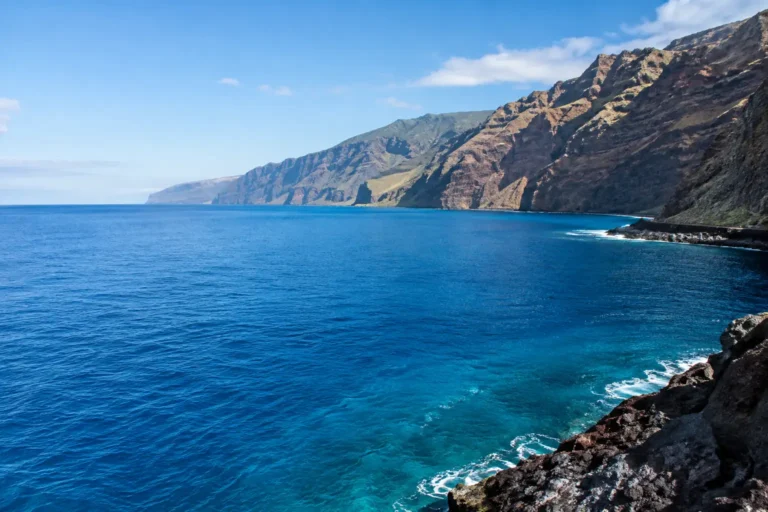
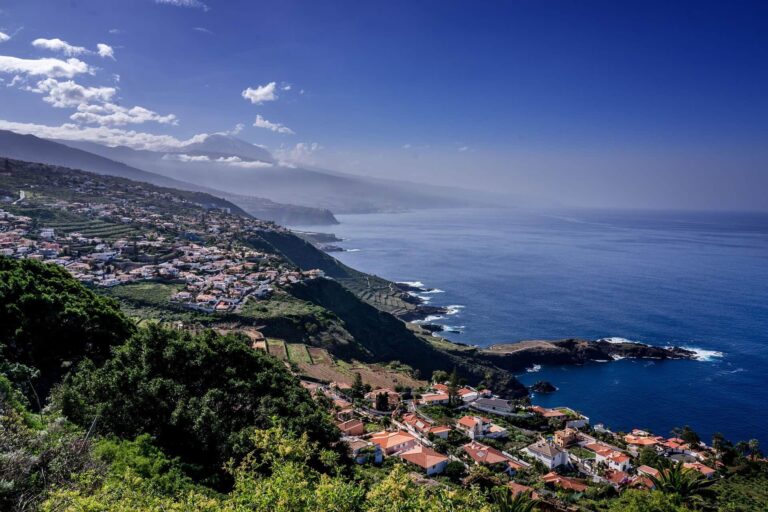
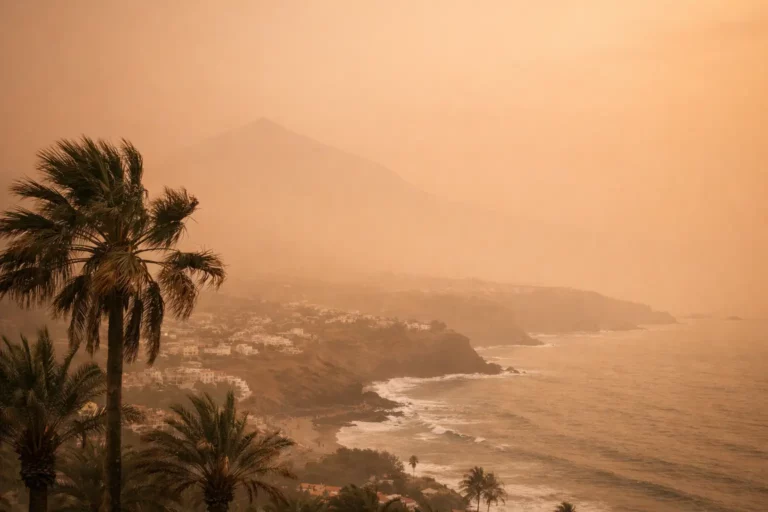
Step aboard a yacht in Costa Adeje or Puerto Colón, and the physical difference can be striking: while trade winds brush the northern coast with ocean spray and clouds, the sea along the south-western shore often feels remarkably calm and settled. The fundamental reason why south Tenerife is protected from wind and waves lies directly in the island's extraordinary volcanic topography. By blocking the Atlantic trade winds, Mount Teide creates its own massive wind shadow, providing charter guests with the ultimate sheltered environment for a relaxed yacht cruise, a swim stop, or an unhurried wildlife-watching experience.
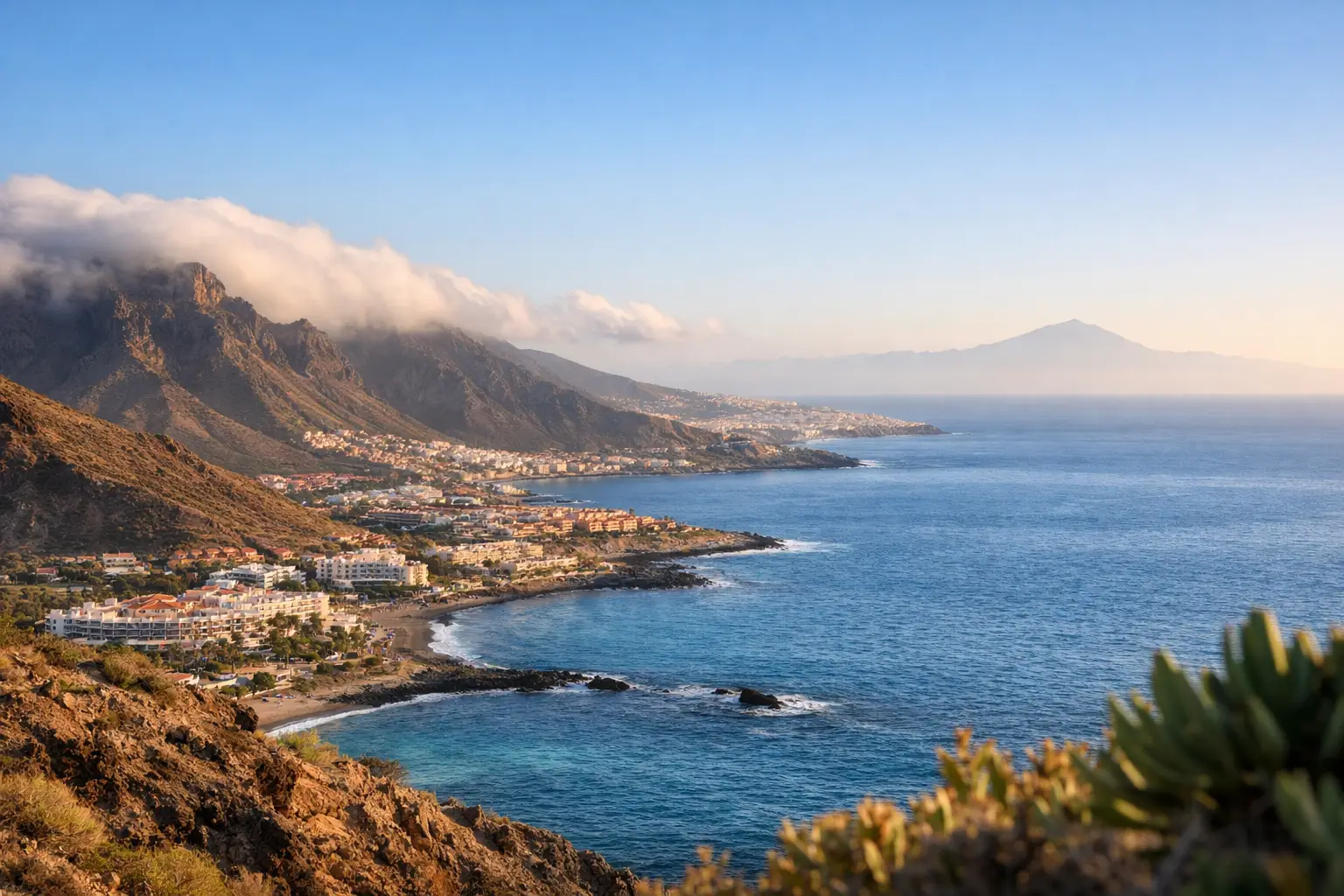
Tenerife is not a low-lying island passive to the Atlantic elements. Its central volcanic spine rises dramatically from sea level to the 3,715-meter summit of Mount Teide, carving the island into distinct climatic zones. The prevailing northeast trade winds (vientos alisios)—driven by Atlantic high-pressure systems—strike the island's northern and eastern shores first.
As this moist ocean air is forced upward along the steep northern slopes, it cools, condenses, and creates the famous mid-altitude cloud sea (mar de nubes). By the time the airflow crosses the high central caldera and descends toward the southern coast, it has lost its moisture and kinetic force. This leeward area enjoys warmer temperatures, higher annual sunshine, and drastically reduced wind speeds—a phenomenon known meteorologically as a wind shadow (and rain shadow).
This natural barrier is the primary reason why resort areas like Costa Adeje, Playa de las Américas, and Los Cristianos boast one of the finest marine microclimates in Europe. It also explains why the south has become the premier hub for private yacht charters, whale watching excursions, and coastal navigation.
To understand the sheltered coastline of south Tenerife, one must distinguish between locally generated wind waves and deep ocean swells. Local sea chop is created directly by surface wind blowing across the water. Because the central volcanic mass blocks the trade winds from blowing directly off the land or along the shore, localized surface chop along the south coast remains remarkably minimal.
When wind force is reduced, the sea surface close to the shoreline flattens. Departing from marinas like Puerto Colón or Marina del Sur, yachts immediately enter calm, manageable waters. Headlands and high coastal cliffs provide additional localized shelter, allowing vessels to anchor in glassy, tranquil coves like Diego Hernández or La Caleta.
For guests on board, this geographical protection translates into pure comfort: glassware remains steady on outdoor tables, walking across the teak deck feels effortless, moving around during a swim stop is safe, and photography can be enjoyed without constant spray or camera shake. On a luxury charter, these microclimatic details make all the difference between a stressful boat ride and an elegant escape.
The marine corridor stretching between Costa Adeje, La Caleta, Playa San Juan, and the towering cliffs of Los Gigantes represents the most sheltered cruising ground in the archipelago. Deeply tucked into Teide’s wind shadow, these waters enjoy consistent protection whenever the standard northeast trade winds prevail.
This stable, calm environment is also the permanent sanctuary for resident pods of short-finned pilot whales and bottlenose dolphins. The combination of deep underwater trenches close to shore and calm, sheltered surface waters creates ideal nursery and feeding grounds for these marine mammals, allowing charter guests to enjoy ethical, quiet wildlife viewing in remarkably smooth seas.
While Tenerife’s volcanic geometry offers incredible protection from local trade winds, the Atlantic Ocean is a dynamic system. A sheltered coastline does not mean the ocean is a swimming pool, and professional seamanship requires evaluating several key oceanographic factors:
Responsible charter companies never rely solely on Tenerife's sunny reputation. At Royal Ocean, our captains evaluate swell period, wave height, tide cycles, and wind vectors daily, adjusting navigation routes to ensure that every voyage takes full advantage of the most protected waters available.
The calm conditions created by the wind shadow shape every aspect of your time on board. Couples booking a sunset private cruise can sip champagne and enjoy unobstructed views of La Gomera without fighting cold ocean winds. Families with children or older relatives benefit from a stable platform where moving between the sun deck, salon, and swim platform is safe and comfortable.
Furthermore, for guests concerned about sea motion, south Tenerife offers one of the gentlest environments for preventing seasickness. Combined with the natural mass and stability of a motor yacht, the smooth waters allow you to focus entirely on the scenery, the food, and the company around you.
While south Tenerife is sheltered year-round, subtle daily patterns can help you select the ideal time for your charter:
The wind shadow of south Tenerife is a extraordinary gift of volcanic geology. Mount Teide acts as an ancient guardian, blocking harsh winds and creating a warm, calm sanctuary where the Atlantic can be enjoyed at its most welcoming.
At Royal Ocean, we pair this natural geographic advantage with meticulous seamanship, luxurious vessel amenities, and unhurried itineraries. When you step aboard, you are not just taking a boat trip—you are entering a carefully selected microclimate designed for ultimate relaxation, breathtaking views, and unforgettable moments on the water.
Mount Teide and the central mountain range act as a physical barrier to the northeast trade winds. As the winds cross the high peaks, they drop their moisture on the northern slopes. The air descending into the south is warm, dry, and depleted of wind force, creating a sheltered microclimate.
While south Tenerife is sheltered from prevailing local winds, deep ocean swells coming from North Atlantic storms can occasionally reach the coast. However, compared to the exposed northern shores, southern waters remain significantly calmer on most days of the year.
Marinas on the southwest coast—such as Puerto Colón in Costa Adeje and Marina del Sur in Las Galletas—are ideally located within the wind shadow, offering immediate access to sheltered waters and resident whale populations.
Morning departures generally offer the glassiest water conditions, as thermal breezes have not yet developed. Late afternoon and sunset cruises also frequently enjoy very calm sea states as daytime winds fade.
Yes. On clear days, departing from the south coast provides a magnificent, unobstructed view of Mount Teide rising above the coastal clouds—a striking geological backdrop for photos and sightseeing from the deck.