One bright Tenerife morning can begin with crisp, diamond-clear Atlantic light and end beneath a heavy, copper-tinted sky. This sudden, dramatic shift is driven by a unique meteorological phenomenon known across the Canary Islands as the Calima. For travellers planning their holiday itinerary—whether booking an exclusive yacht charter, a coastal lunch, or a romantic sunset cruise—understanding this African dust storm is essential for setting expectations and planning the perfect day on the water.
For visitors prioritizing premium comfort and refined experiences, encountering a Calima is less about alarm and more about tactical adaptation. In the Canary Islands, the weather is usually one of the greatest luxuries of travel, behaving with predictable elegance. The Calima is simply a reminder that even this Atlantic paradise has its distinct moods. Knowing how it operates ensures you can smoothly adjust your plans without losing your holiday rhythm.
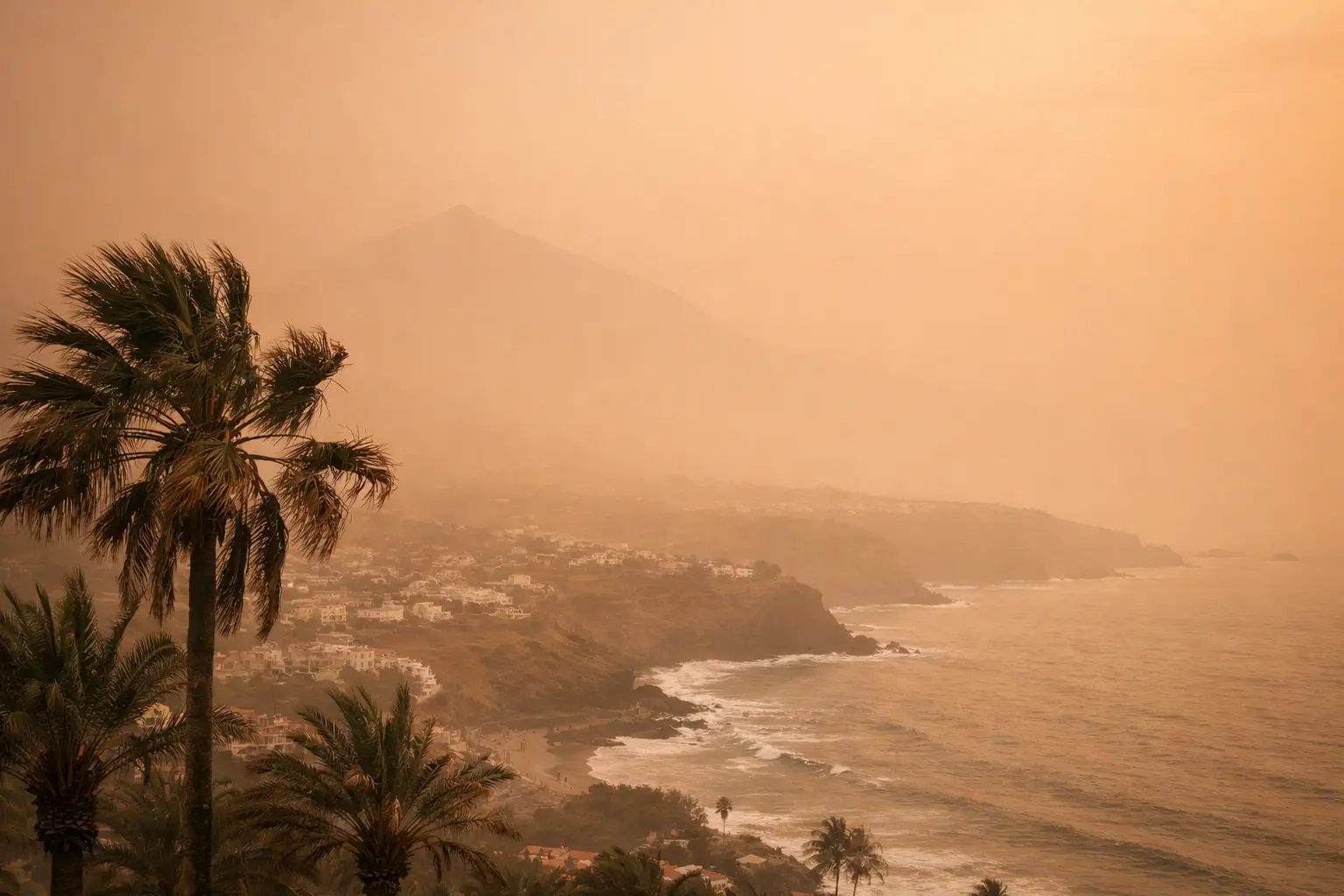
The Calima is the local Canarian term for a specific atmospheric event where warm, dry, and dust-laden air from the Sahara Desert sweeps across the Atlantic Ocean to the archipelago. It occurs when a strong high-pressure system over North Africa blocks the normal maritime airflow, generating intense easterly or southeasterly winds that lift billions of microscopic sand and dust particles high into the atmosphere.
This dust plume creates a meteorological inversion layer. Depending on the intensity, a Calima can manifest as a light, poetic veil in the sky, slightly muting the sunshine and turning the horizon a soft pastel-gold. During heavier, more severe episodes, the dust concentration intensifies drastically: visibility drops down to a few kilometers, air quality indexes decline, temperatures spike rapidly, and the entire landscape is draped in a thick, eerie golden-grey haze that completely obscures the panoramic views of Mount Teide and neighboring islands.
The geography of the Canary Islands dictates their climate. Sitting just off the northwest coast of Africa—with Fuerteventura located less than 100 kilometers from the Saharan shoreline—the archipelago is naturally positioned in the direct path of continental African air masses. For most of the year, the islands are fiercely protected by the cool, refreshing northeast trade winds (vientos alisios), which maintain Tenerife's famous "eternal spring" climate.
However, when specific pressure cells stall over the Iberian Peninsula and the Sahara, those cooling Atlantic trade winds are pushed aside. This allows the searing heat of the desert to claim the sky. A mild Calima may last only 24 to 48 hours, appearing as a hazy afternoon. A major seasonal event—most frequent during winter and mid-summer—can settle over the islands for several consecutive days, demanding a slower, more deliberate pace of travel.
For anyone organizing a premium boat trip, a Calima introduces specific variables that a professional crew must analyze. The most immediate impact is visual navigation and aesthetic clarity. If your dream yacht excursion relies on taking sharp, luminous photographs of the coastline, the dust layer will flatten the contrast, blending the sea and sky into a singular silvery canvas.
Temperature is the second critical factor. The Saharan air mass brings an intense, exceptionally dry heat. On a sun-exposed yacht deck or within a sheltered marina where the breeze drops, this heat can feel heavy and draining.
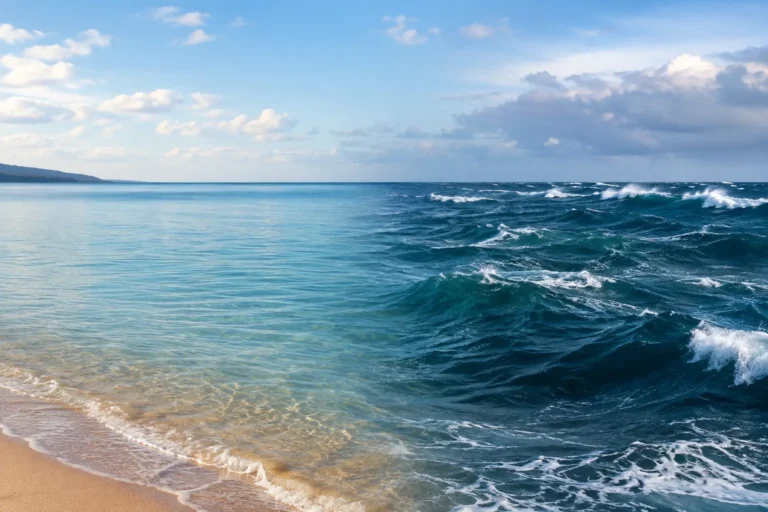
Interestingly, a Calima does not automatically mean rough seas. Often, the ocean remains completely calm and glassy while the air above is thick with dust. For whale and dolphin watching, the resident pilot whales and bottlenose dolphins remain entirely active beneath the surface. However, if the air feels uncomfortably warm or oppressive, the overall elegance of the experience can be compromised. Professional operators monitor wind shifts, thermal comfort, and visibility to determine whether it is truly the right moment to cast off.
While a mild haze shouldn't disrupt your holiday, navigating a heavier Saharan dust episode requires a bit of local insider strategy:
When the weather is less than pristine, the difference between a crowded commercial excursion and a curated, low-impact charter becomes strikingly clear. Squeezing onto a packed tour boat with 80 other passengers in hot, hazy conditions can quickly feel exhausting. Conversely, a private yacht charter provides the luxury of personal space, shaded seating, climate-controlled interiors, and an attentive crew dedicated entirely to your comfort.
There is a unique, cinematic version of Tenerife that emerges during a light Calima. The Atlantic takes on a dramatic, metallic sheen, the coastal cliffs look ghostly and vast, and the entire ocean feels beautifully quiet and intimate. If you board the vessel with the right expectations, a gentle cruise through this muted atmosphere can be incredibly peaceful and deeply memorable.
At Royal Ocean, premium hospitality is anchored in exceptional judgment. True luxury travel is about experiencing the ocean at the absolute right moment. If a Saharan dust storm compromises the refined, polished environment you booked to enjoy, our team will always provide honest, transparent local guidance. We prioritize the quality of your journey over everything else, ensuring that when you do step aboard, Tenerife is showing you its finest, most breathtaking side.
A Calima is a weather phenomenon in which warm, dry air carrying fine dust particles from the Sahara Desert travels across the Atlantic Ocean to the Canary Islands. It is caused by strong easterly winds linked to high-pressure systems over North Africa, and it can reduce visibility, raise temperatures, and lower air quality for the duration of the event.
Most Calima episodes last between 24 and 48 hours. However, more severe events—particularly those occurring during winter or mid-summer—can persist for several consecutive days. The intensity and duration depend on the stability of the atmospheric pressure systems driving the dust plume.
Yes, it is generally safe to go on a boat trip during a Calima, provided you book with a professional operator. The sea often remains calm during these events. However, visibility may be reduced, and the dry heat can feel intense. Reputable charter companies monitor conditions closely and will advise on whether it is a suitable time to sail.
Yes. The resident pilot whales and bottlenose dolphins around Tenerife remain active beneath the surface regardless of the dust haze above. While surface visibility for spotting may be somewhat reduced, marine life is not negatively affected by the Calima itself.
If a heavy Calima is forecast, book your yacht charter or excursion early in your stay to allow flexibility for rescheduling. Opt for morning departures when conditions are typically cooler and clearer. Stay hydrated, protect your eyes with sunglasses, and consider moving outdoor activities to sheltered or indoor spaces if the air quality becomes uncomfortable.
In extreme cases, heavy Saharan dust can temporarily affect visibility at Tenerife's airports, potentially leading to minor delays or diversions. However, this is relatively rare. Most Calima events do not disrupt flight schedules significantly. Travellers should check with their airline for real-time updates if a severe episode is ongoing.