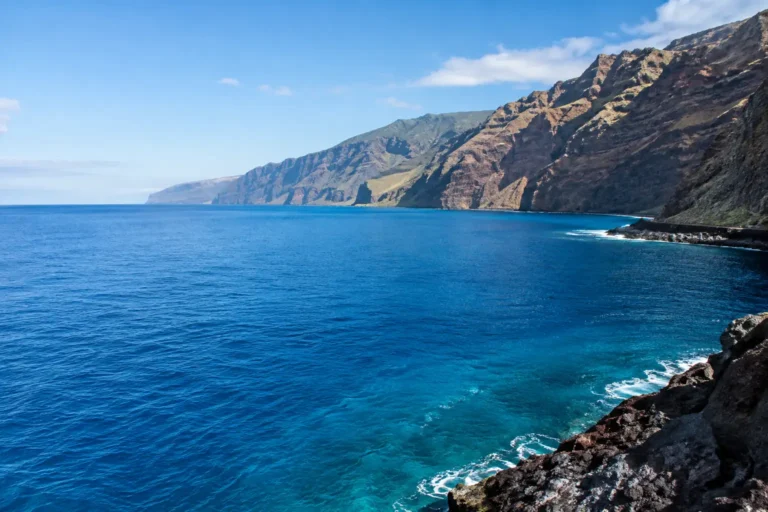
It's known as the "Island of Eternal Spring" — and for good reason. With an average annual temperature of around 23°C and sunshine almost year-round, it lives up to its name. But Tenerife's true wonder isn't this idyllic stability; it's the astonishing diversity on the flip side. On a tiny speck of land, just 2,034 km², exists a whole collection of microclimates. In a single day, you can sunbathe on a beach, get lost in the mist of an ancient forest, and have a snowball fight at the foot of a volcano. This climatic exuberance creates unique ecosystems found nowhere else on Earth.
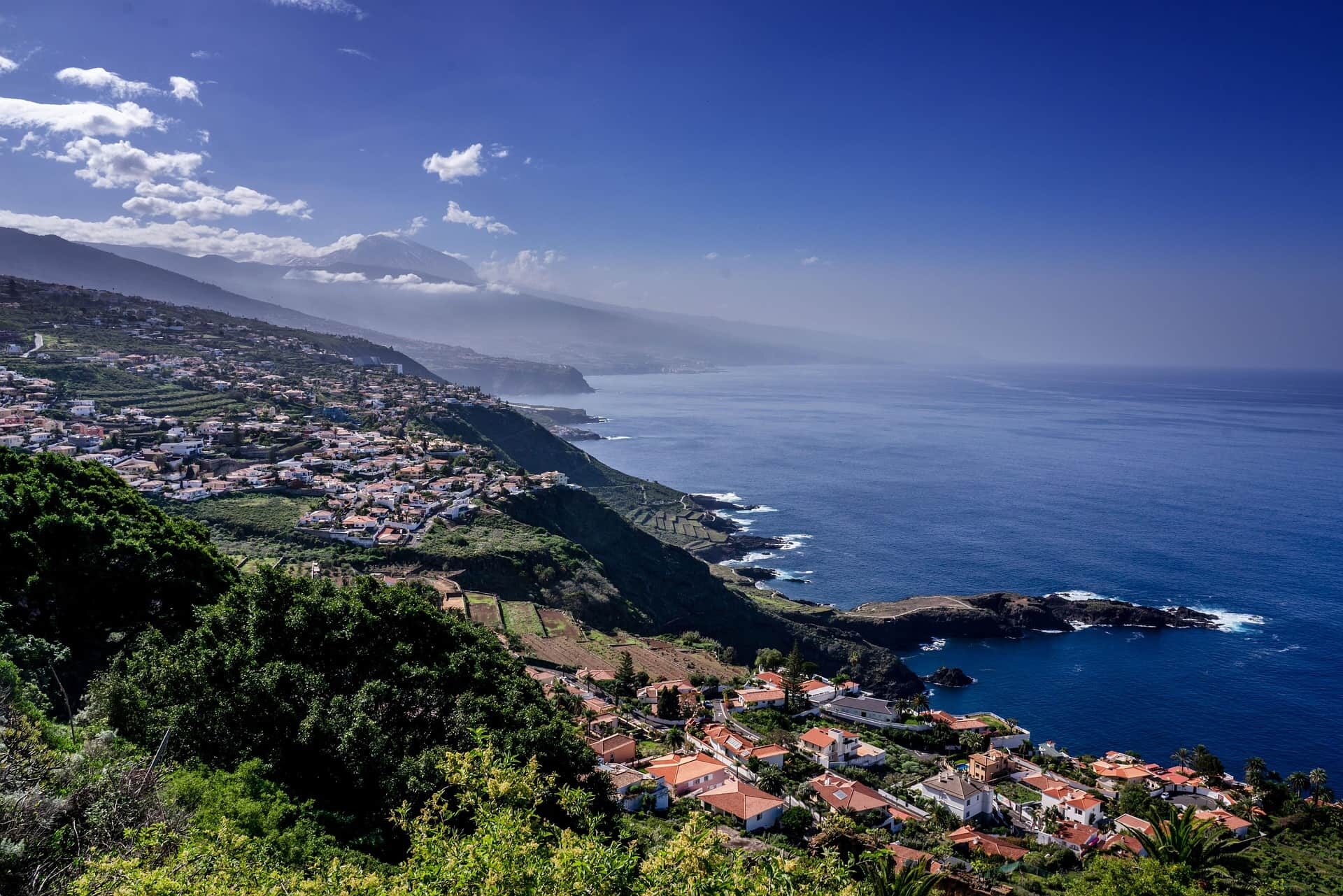
Tenerife's destiny is shaped by two mighty Atlantic forces: the warm Gulf Stream and the cold Canary Current. The latter plays the key role. This giant "refrigerator," bringing waters from the north, shields the islands from the scorching breath of the Sahara Desert, which lies just 300 kilometers away.
This proximity keeps the coastal waters consistently comfortable, ranging from 18–20°C in winter to 23–26°C in summer. But the current's influence runs deeper. It cools the coastal air, preventing the island from turning into a scorched desert, and "seals" it with a warm layer of water vapor. It is this natural shield that creates the famous cloud "blankets" draping the mountain slopes, protecting them from the intense solar radiation.
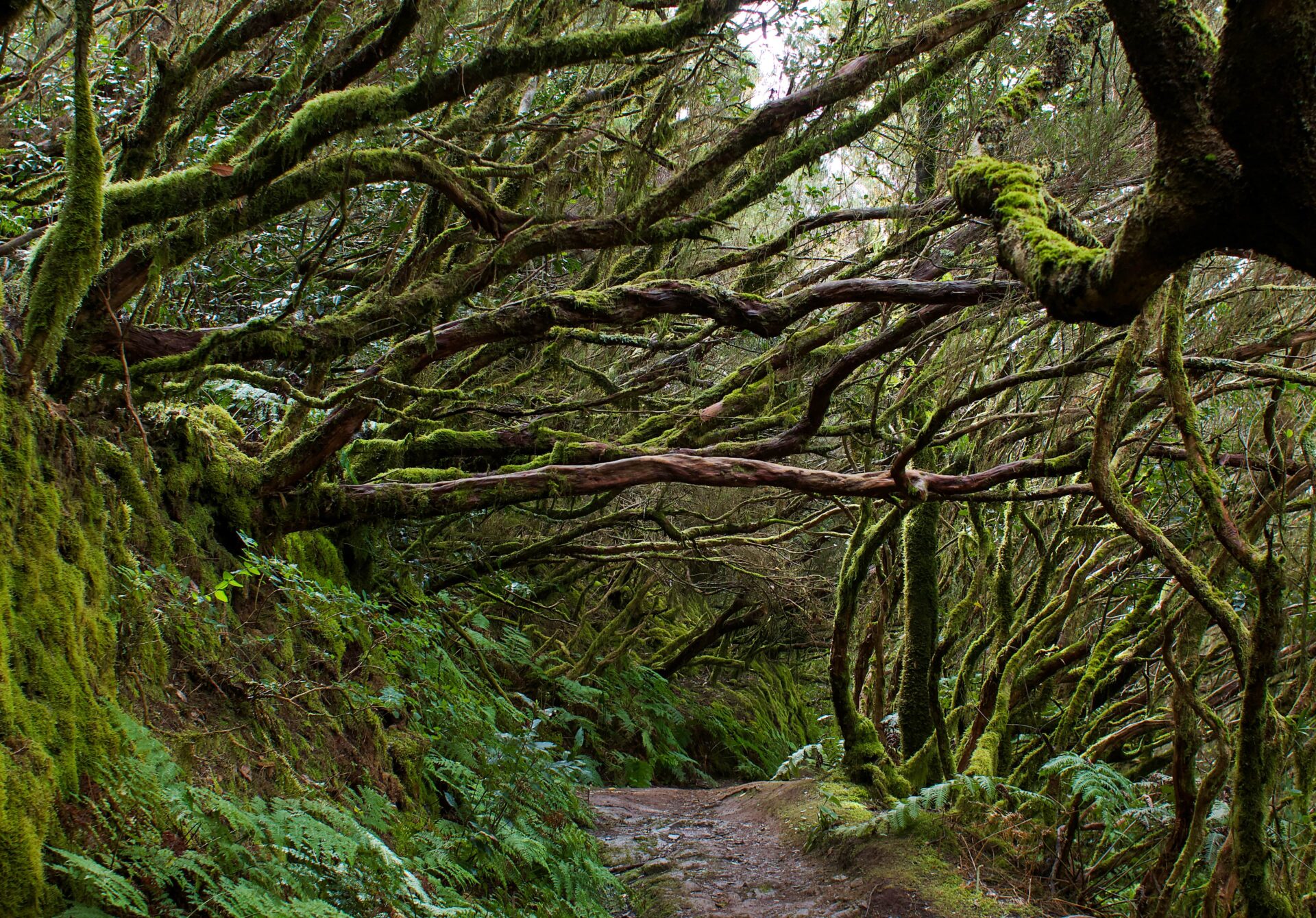
Tenerife's climate is a tale of two sides of one island, divided by a mountain ridge. The northeast trade winds, saturated with moisture after their long journey across the ocean, collide with the island. The mountains force the air to rise, the moisture condenses—and this is how the famous stratocumulus cloud layer, hovering between 600 and 1,800 meters, is born.
The Northern Slopes bear the brunt of the weather. Here, it's humid, green, and cool. The climate changes with altitude like in a geography textbook:
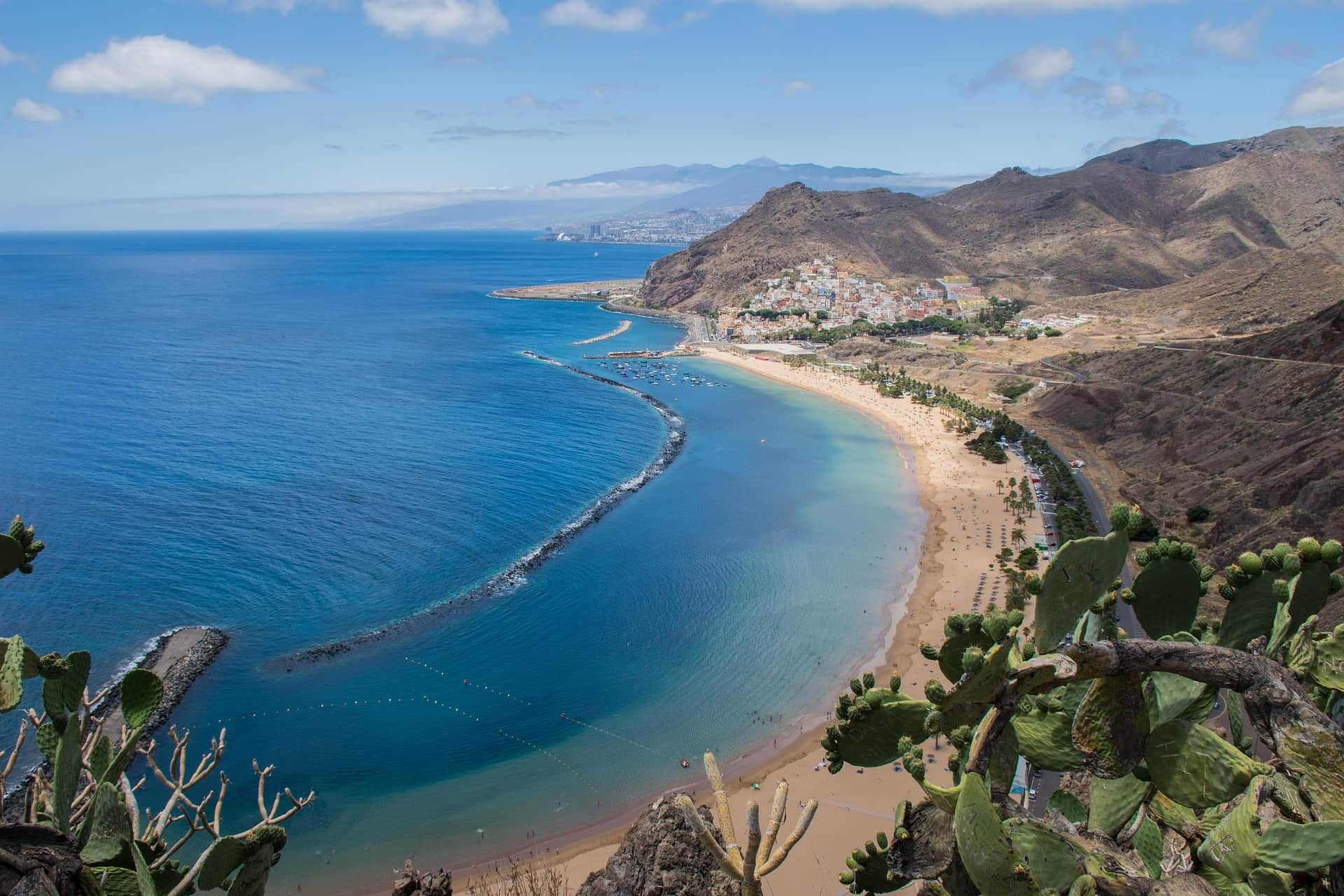
The Southern Slopes, sheltered by the mountains, are a different universe. The clouds rarely reach here, resulting in a dry, semi-desert climate with minimal rainfall. The sun is an almost permanent guest, making the south a tourist mecca.
The most spectacular display of the local climate is the snow-capped peak of Mount Teide. The temperature here drops by roughly 1°C for every 100 meters of altitude. In winter, when it's +23°C on the coast, the summit (3,718 m) can be as cold as -10°C, and snowfall is common, especially in February.
But the paradox doesn't end there. The record-holder for sunny days isn't the beach, but the high-altitude Izaña Observatory (2,371 m), which enjoys 3,473 hours of sunshine per year. The climate at the top is harsh: daily temperature swings can reach 15°C, and annual temperatures range from frosty -15°C in winter to a summer high of +30°C.

The climate dictates the rules for flora, creating six distinct vegetative tiers on the island's slopes:
Tenerife's uniqueness isn't confined to its land. The cold Canary Current is more than just an "air conditioner"; it's a powerful source of life. It creates the phenomenon known as upwelling: nutrient-rich deep waters rise to the surface.
This natural mechanism turns the waters around Tenerife into one of the planet's most fertile "gardens." The explosive growth of phytoplankton, which feeds on these nutrients, kickstarts the entire marine food chain, from small fish to majestic whales and dolphins. Up to 23 species of marine mammals are recorded here, and the annual fish catch amounts to millions of tons.

In the end, the climate of Tenerife is not a set of random weather events, but a finely tuned symphony. The ocean currents, winds, and mountains act as conductors, creating ideal conditions for life in all its myriad forms. From the plankton in the cool water to the violet pushing through the volcanic slag on Teide's summit—everything here is interconnected in a strikingly harmonious system. It is a place where you can witness firsthand how the interaction of the elements gives birth to a true wonder of nature.