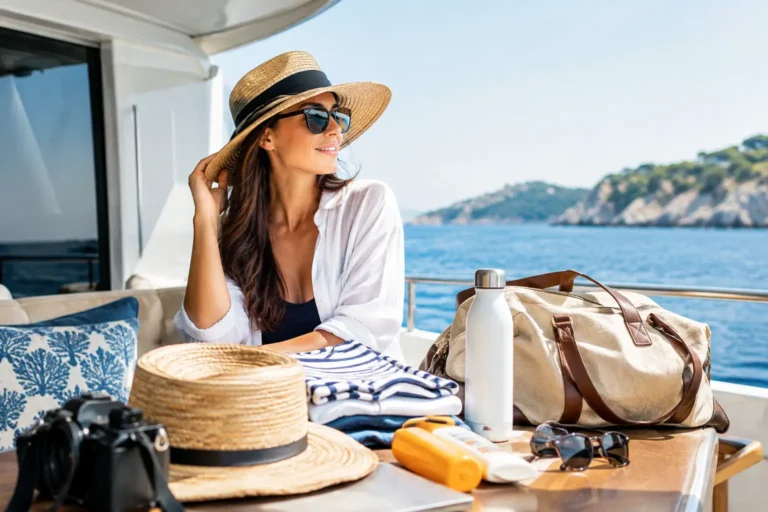
The difference between a pleasant cruise and a truly memorable one can be as simple as where you settle in. Knowing how to choose the best place to sit on a yacht means balancing the view you want, the comfort you need and the conditions on the day.
On Tenerife's south coast, the right spot can change how you experience everything from the open Atlantic and the coastline to wildlife encounters, a swim stop or a sunset. There is no single best seat for everyone. The ideal choice depends on what you want from the trip.
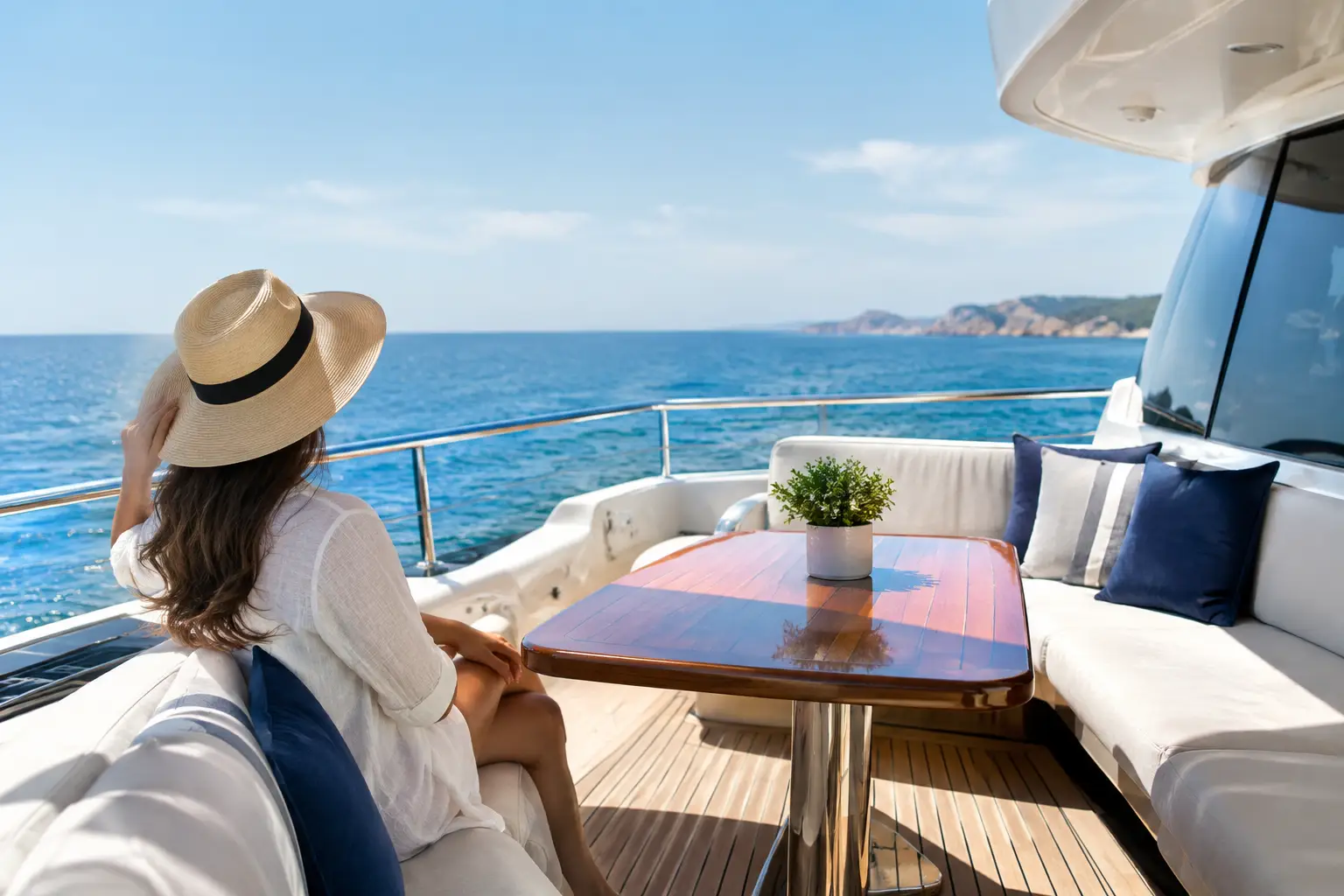
Before choosing a seat, think about what you want to get from the trip. A couple joining a sunset cruise may value an open horizon and a quiet corner, while a family on a whale-watching trip may prefer an area where everyone can sit together and move easily when marine life appears.
Guests celebrating a birthday or another special occasion may prefer to stay close to the main seating area, refreshments and the centre of the onboard atmosphere.
There is no universally perfect position. A place with an excellent view may be more exposed to wind, while the most sheltered seat may not offer the widest panorama. The best approach is to choose a good starting point and remain flexible as the cruise develops.
| Yacht Area | Comfort & Motion | Sun & Wind | Best For |
|---|---|---|---|
| Aft Cockpit | Generally comfortable and relatively sheltered | Often more protected than upper or forward areas | Conversation, food, drinks, families and relaxed cruising |
| Flybridge | More exposed to movement and wind | Open to sun and breeze | Panoramic views, photography and sunset cruises |
| Bow | Can feel more noticeable over waves while under way | Usually exposed to sun, wind and spray | Quiet moments, photography and swim stops when permitted |
| Indoor Saloon | Lower and more protected from the elements | Protected from direct sun and wind | Cooling down, relaxing and taking a break from the deck |
The aft cockpit, at the rear of the yacht, is often one of the easiest places to settle in when you first come aboard. It is typically arranged around comfortable seating and a table, making it well suited to conversation, food and drinks.
For families, groups of friends and private celebrations, this can be one of the most practical areas. You remain close to the main social space while still having access to the open deck and the surrounding views.
The cockpit can also be a reassuring choice for guests who are unsure how they will feel at sea. A position closer to the middle of the yacht generally experiences less pronounced movement than the bow, although conditions and the yacht's design always make a difference.
On a warm Tenerife afternoon, shade can become particularly valuable. If you want to stay outdoors without being in direct sun for the entire cruise, the cockpit may provide a good balance between comfort and fresh air.
For many guests, the flybridge is one of the most appealing places to sit on a yacht. Positioned higher above the water, it provides a broad view across the Atlantic, the coastline and the horizon.
It is particularly attractive for photography. The elevated position gives you a different perspective of Tenerife's coastline and can be especially enjoyable when the light changes towards sunset.
The main trade-off is exposure. The flybridge normally receives more wind and sun than lower seating areas, so sunglasses, sun protection and a light layer can be useful. If the conditions become breezier, the crew may recommend moving downstairs.
Choose the flybridge if your priority is open-air cruising, photography, panoramic views or a sunset experience. It can also be a good place to scan the water when looking for dolphins or other marine life.
For a private charter, you can also move between the flybridge and other areas of the yacht as the conditions and itinerary change. The crew can advise you on the most comfortable option for the moment.
The bow is the forward section of the yacht and offers a particularly open view of the water. With nothing directly ahead except the sea, it can create a strong sense of connection with the Atlantic.
It can be especially enjoyable while the yacht is stationary, during a swim stop or when the crew confirms that it is safe to use. The open space also makes it attractive for photographs and quiet moments.
However, the bow is not necessarily the most comfortable place while the yacht is moving. The forward part of a vessel can experience more noticeable movement over waves and is generally more exposed to wind and spray.
For that reason, follow the crew's instructions about when and where the bow can be used. Conditions can change during a cruise, and a position that feels comfortable at one moment may be less suitable later.
The saloon provides a protected indoor space when you want a break from the sun, wind or heat. It can be particularly useful for families with young children or anyone who simply wants a quieter moment during the cruise.
Most guests will probably want to spend much of a Tenerife yacht trip outside, where the coastline and ocean are easiest to appreciate. Still, having an indoor area available can make the whole experience more comfortable.
A short break in the saloon can be useful during the warmest part of the day or when the wind picks up. After cooling down or relaxing for a few minutes, you can return to the deck feeling more comfortable.
If you are concerned about seasickness, a position closer to the middle of the yacht and lower down is generally a sensible starting point. Looking towards the horizon can also help, while reading for long periods may make nausea worse.
Most importantly, tell the crew if you begin to feel unwell. They can suggest a more suitable position and help you adjust before the discomfort becomes significant.
Wildlife sightings are unpredictable. Dolphins or whales may appear to one side of the yacht, behind it or directly ahead, so there is no permanently perfect wildlife-viewing seat.
A position that gives you a broad view of the water and allows you to move safely can be particularly useful. The cockpit and flybridge can both work well, depending on the yacht and the conditions.
When the crew spots marine life, avoid rushing from one side of the yacht to the other. Move calmly, use handrails where appropriate and keep walkways clear. Everyone should have the opportunity to enjoy the encounter safely.
The crew will also guide the yacht's movements around wildlife. Your best viewpoint may change as the boat changes position, so following their instructions is more useful than trying to secure one particular seat before departure.
If you are travelling with children, choose a position where they can sit securely and where an adult can remain beside them. For photography, keep your camera ready but stay within the areas permitted by the crew.
If wildlife watching is a major reason for your trip, Royal Ocean's Private Whales & Relax Cruise combines time on the water with opportunities for whale and dolphin watching, swimming and snorkelling, depending on the conditions and route.
Tenerife is known for its sunshine, but conditions can change during a cruise. A seat that feels perfect when you leave the marina may become warmer or windier later in the day.
The direction of the sun, the breeze and the yacht's route all affect comfort, so it is worth being flexible.
Morning trips can feel cooler, making open seating particularly pleasant. Around the middle of the day, many guests may appreciate shade in the cockpit or a short retreat to the saloon. During a sunset cruise, the flybridge and other open areas can become especially attractive as the light softens.
Wind direction matters as well. If you prefer to avoid strong wind or spray, a more sheltered aft position may suit you better. If fresh air and an unobstructed horizon are part of the appeal, the flybridge or another open area may be preferable.
The best seat can change depending on the weather, sea state, route and type of cruise. The crew can recommend the most suitable area when you arrive and can advise you if conditions change during the trip.
Once on board, there is no reason to stay in one place for the entire journey. You might begin in the cockpit while refreshments are served, move to the flybridge when the coastline opens up and spend time at the bow during a calm swim stop if the crew confirms that it is safe.
Moving between different areas is one of the advantages of a yacht trip. You can choose the environment that feels right for each part of the day rather than being tied to one fixed seat.
Ultimately, the best place to sit is the one that lets you enjoy the sea comfortably while leaving room for the unexpected: dolphins alongside the yacht, a changing Atlantic horizon, a quiet swim or a beautiful Tenerife sunset.
The aft cockpit is often a comfortable place to begin. It is typically more sheltered than the bow and provides an easy setting for conversation, food and drinks. A position closer to the middle of the yacht may also feel more comfortable for guests who are sensitive to motion.
The flybridge offers elevated panoramic views and is particularly attractive for photography and sightseeing. However, it is also more exposed to sun and wind. If conditions become breezier, the crew may recommend moving to a lower or more sheltered area.
The bow can be a beautiful place to sit when the yacht is stationary or when the crew confirms that it is safe to use. It may be less comfortable while under way because the forward part of the yacht can experience more noticeable movement and exposure to wind and spray.
A position closer to the middle of the yacht and lower down is generally a sensible starting point. Looking towards the horizon may help, and you should tell the crew if you begin to feel unwell so they can suggest a more comfortable position.
There is no permanently perfect wildlife-viewing seat because whales and dolphins can appear in different directions. A position with a broad view of the water and enough space to move safely can work well. The cockpit and flybridge are both useful options depending on the yacht and conditions.