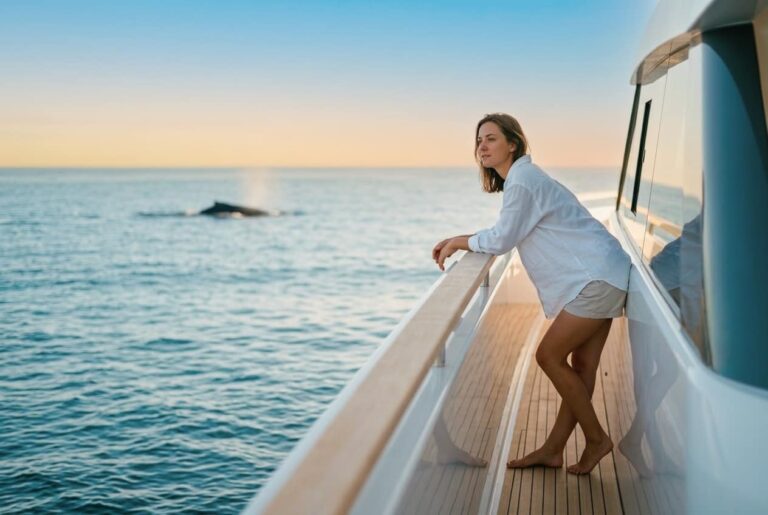
The moment you step aboard a private yacht, the experience feels different from an ordinary boat trip. The setting is more refined, the service is more personal, and the atmosphere is designed to help you relax. That is exactly why yacht charter etiquette tipping captain and crew guidelines matter - not to make the day feel formal, but to help guests feel comfortable, confident and well looked after from the first welcome to the final farewell.
For many visitors to Tenerife, tipping on a yacht charter is one of the few parts of the experience that is not always obvious. Guests often know how to book, what to wear and what to expect from the route, yet still wonder whether gratuities are expected, how much is appropriate, and whether etiquette differs between a luxury private yacht and a larger tourist excursion. The short answer is that it depends on the charter style, the level of service and your overall experience.
On a premium yacht, etiquette is less about rigid rules and more about respect for the vessel, the crew and the shared experience. Good manners onboard create a smoother, more enjoyable day for everyone. That includes arriving on time, listening to the safety briefing, treating onboard spaces with care and being courteous to the crew who are managing both service and safety.
Tipping sits within that same spirit. A gratuity is usually a gesture of appreciation for attentive service, not a hidden fee sprung on you at the end. If your captain and crew have made the trip feel effortless, kept the yacht immaculate, served drinks with care, prepared food beautifully and helped create a memorable atmosphere, many guests choose to leave a tip as a thank you.
That said, expectations can vary. On some luxury charters, especially private ones, tipping is common because the experience is highly personalised. On shared excursions, guests may still tip, but the amount is often smaller and more informal. The key is understanding the kind of trip you have booked.
This is the question most guests really want answered. On private yacht charters, a common guideline is around 10 to 15 per cent of the charter price if the service has been excellent. Some guests tip slightly less for shorter trips, while others go beyond that range for exceptional hospitality, special event support or a crew that has genuinely gone above expectations.
For a shared luxury excursion, the approach is usually simpler. A modest cash tip per couple, family or booking party is perfectly acceptable, especially when the crew have been warm, professional and attentive throughout the trip. There is no single universal figure because yacht service levels, trip length and inclusions differ.
What matters most is matching the gratuity to the experience. A short cruise with standard service does not necessarily call for the same tip as a private celebration where the crew have helped organise drinks, music, food service, swimming stops and special touches throughout the day. Generosity is appreciated, but it should still feel proportionate.
Often, yes. On many charters, gratuities are shared between the captain and crew, although the arrangement depends on the operator. Some guests prefer to hand one amount to the lead crew member or captain and ask for it to be shared. Others like to give separate tips, especially if one crew member has provided standout hospitality.
If you are unsure, there is nothing awkward about asking discreetly how gratuities are normally handled. On a well-run charter, the crew will answer politely and without pressure.
Cash is usually the easiest and most appreciated option for tips. It is immediate, discreet and simple to divide among the team. If you prefer to use card, it is best to ask in advance whether gratuities can be added that way, as not every yacht handles onboard payments in the same manner.
If you know you may wish to tip, it is sensible to carry some euros with you. It removes the end-of-trip uncertainty and lets you thank the crew gracefully before disembarking.
Yacht charter etiquette is not only about gratuities. Guests who understand a few simple expectations tend to enjoy a more relaxed and polished experience.
Arriving punctually is one of the biggest ones. Yacht schedules are often tied to marina access, weather windows and reserved time slots. Turning up late can shorten your own trip and disrupt the crew's preparations. For a private charter, it may also affect planned swim stops, sunset timing or food service.
Footwear is another detail that matters. Many yachts prefer shoes to be removed onboard or require soft, non-marking soles. This protects the deck and keeps indoor spaces clean. If the crew give guidance at boarding, it is always worth following it straight away.
Food and drink should also be treated with a little care. On luxury charters, refreshments are usually prepared and served as part of the experience. Bringing large amounts of your own drinks without checking first can feel discourteous, especially if catering has been arranged. If you have dietary needs or a special bottle for a celebration, simply mention it in advance.
Noise levels are worth considering too. Music and celebration absolutely have their place on a yacht, particularly for birthdays, proposals and sunset cruises, but the tone should suit the setting. A refined charter experience is about enjoyment without turning the atmosphere chaotic.
Private charters for birthdays, anniversaries or romantic occasions often involve more behind-the-scenes effort than guests realise. The crew may be coordinating timings, chilling drinks, setting out food, helping with decorations, adjusting the route for comfort, managing photography moments and keeping everything running smoothly without drawing attention to the work.
In those cases, gratuities tend to lean towards the higher end of the usual range if the experience has been delivered beautifully. It is not only about steering the yacht. It is about the standard of hospitality.
For guests booking a premium yacht experience in Tenerife, this distinction matters. A luxury charter is not simply transport on the water. It is personalised leisure, careful hosting and professional seamanship combined. When the crew make that feel effortless, many guests feel a tip is well deserved.
Good etiquette works both ways. Guests should never feel obliged to leave a generous gratuity if service has been poor, inattentive or noticeably below the standard promised. If there were issues that affected the experience, a more modest tip may be appropriate, or you may decide not to leave one at all.
The sensible approach is to separate minor inconveniences from genuinely poor service. Sea conditions, for example, are outside the crew's control. A route change for safety is not bad service - it is professionalism. Equally, a delayed departure caused by weather checks may be frustrating, but it is often the sign of a captain taking care.
On the other hand, if hospitality was careless, communication poor or the yacht clearly not presented to the expected standard, that may influence what you give. Tipping should reflect service, not obligation.
Many guests worry more about the social awkwardness than the amount. In reality, the final moments are usually very simple. As the trip ends, thank the captain and crew warmly, hand over the gratuity discreetly, and let them know you appreciated the experience. That personal acknowledgement often means just as much as the amount itself.
If you are travelling as a group, it can help to decide in advance whether one person will handle the tip on behalf of everyone. That avoids confusion on the quay and keeps the ending smooth.
For couples on a romantic cruise or families enjoying a whale-watching trip, the most elegant approach is often the simplest one: be courteous, be genuine and give what feels fair for the service you received.
A luxury yacht day should leave you feeling relaxed, not uncertain over unwritten rules. If you keep etiquette grounded in respect and view tipping as appreciation for excellent care, you will almost always get it right. And when a professional crew has delivered a beautiful day at sea, a thoughtful gratuity is a lovely way to end it.