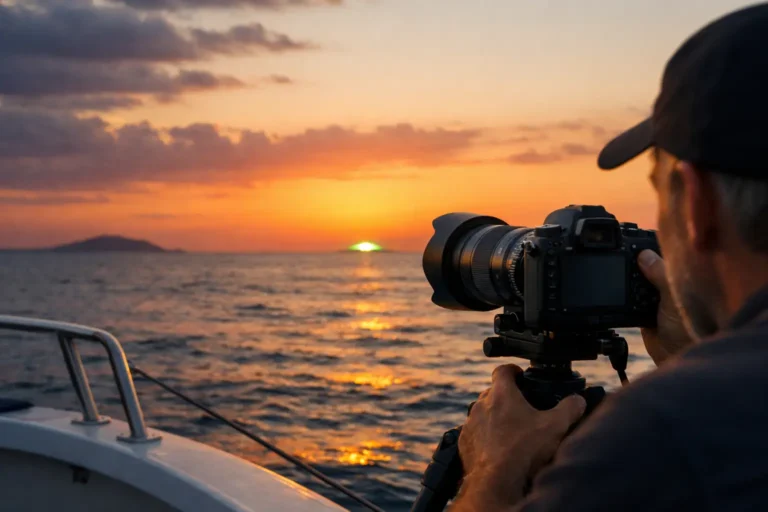
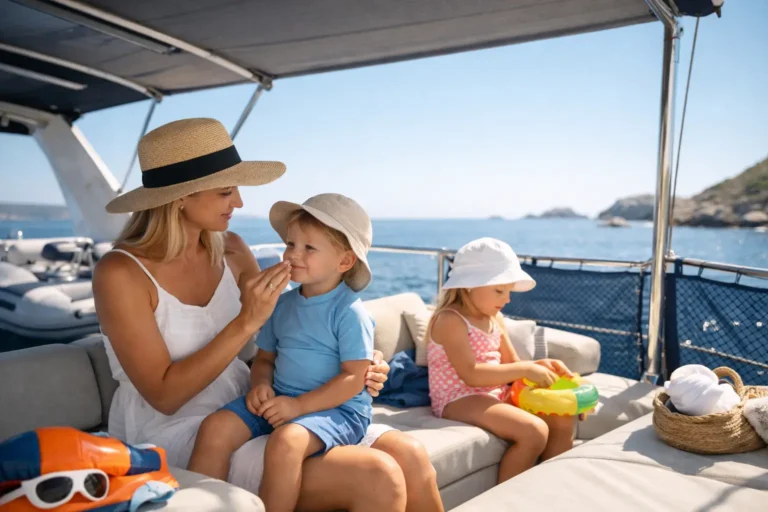
The moment the marina falls behind you and Tenerife's coast opens into the Atlantic, the pace changes. A first yacht charter can seem unfamiliar, but the preparation is actually quite simple: bring a few essentials, dress for comfort and arrive with enough time to settle in.
This guide explains what to bring, what to wear, how to prepare for motion at sea and what you can expect once the yacht leaves the marina.
Your experience will depend on the type of charter you choose, the route and the conditions at sea. A private cruise may include time for wildlife watching, swimming, snorkelling, coastal sightseeing, food and drinks, while a sunset cruise has a different pace and atmosphere.
For example, the Royal Ocean private whale watching and relaxation cruise can be adapted to the conditions and interests of your group. Wildlife sightings are never guaranteed, but the waters around southern Tenerife are well known for regular encounters with whales and dolphins.
Expect a safety briefing before departure and practical guidance from the crew throughout the trip. The route may change if wind, waves or other sea conditions make another option more comfortable or appropriate.
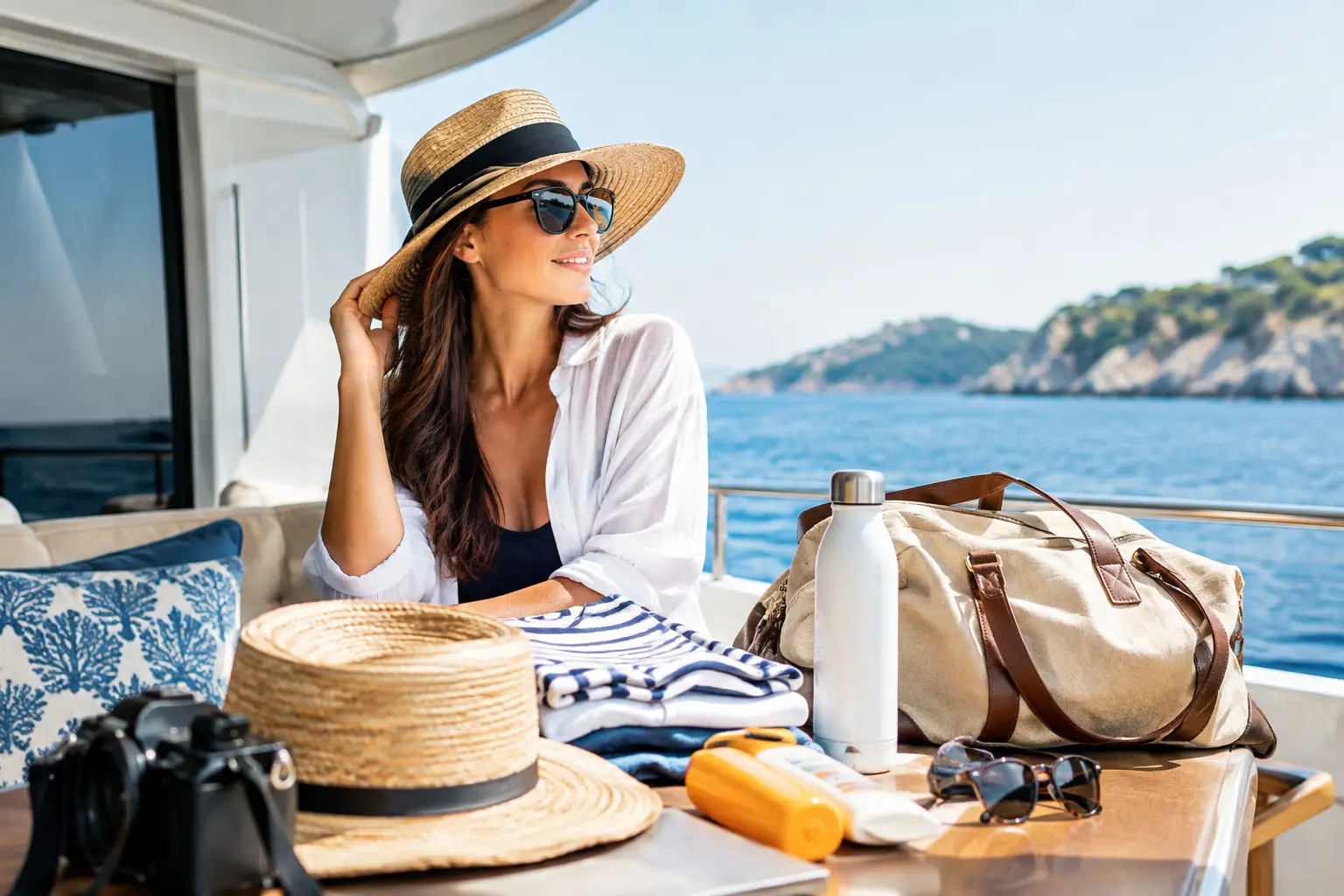
Pack lightly. A small soft-sided bag is much easier to store on a yacht than a rigid suitcase or large piece of luggage.
Here is a practical checklist for a typical yacht trip:
| Category | What to Bring | What to Avoid |
|---|---|---|
| Clothing | Swimwear, cover-up, light shirt or jacket | Bulky clothing you will not need |
| Footwear | Flat sandals or clean, non-marking deck shoes | High heels, heavy boots or dark-soled shoes |
| Sun protection | High-factor sun cream, sunglasses, SPF lip balm | Anything you do not need on the boat |
| Personal items | Phone, camera, medication and travel-sickness tablets if needed | Unnecessary valuables and bulky bags |
| After swimming | Dry clothes or a light cover-up | Large towels if the operator already provides them |
Bring your phone or camera if you want to take photographs, but keep personal belongings secure when the yacht is moving. Salt water, wind and sun are not particularly friendly to jewellery, expensive accessories or loose objects.
If you are planning a birthday, proposal or another special occasion, tell the operator in advance if you want to bring decorations, a particular bottle or anything else that requires preparation. This gives the crew time to make suitable arrangements before departure.
For most yacht trips in Tenerife, comfortable resort-style clothing works best. Think breathable fabrics, easy movement and layers that can adapt to changing temperatures and wind.
For daytime, swimwear with a cover-up, linen shirt, lightweight shorts or a relaxed outfit is practical. A light dress can work well for photographs or a romantic cruise, provided it is comfortable in the wind.
For men, swim shorts with a lightweight shirt are an easy choice. On a sunset cruise, add a light overshirt, cardigan or jacket rather than bringing anything heavy.
Footwear is worth considering. Many yachts ask guests to remove outdoor shoes once aboard, particularly to protect the deck. Bare feet are often the easiest option, while flat sandals or clean, non-marking deck shoes are useful around the marina. High heels and dark or hard soles are best left behind.
Not everyone experiences seasickness, and many people are perfectly comfortable on a yacht. If you have previously felt unwell on boats, however, it is better to prepare before you leave the marina rather than waiting for symptoms to appear.
Follow the instructions for any medication you normally use, eat a light meal before departure and stay hydrated. Looking towards the horizon and spending time in fresh air can also help.
Heavy meals and alcohol may make nausea worse for some people, particularly at the beginning of a trip. If you start feeling unwell, let the crew know. They can often suggest a more comfortable place to sit or other practical measures.
If you are prone to seasickness, your position on the yacht can make a difference. Areas with less movement are generally more comfortable than the bow, particularly when the sea has some swell.
If wildlife watching is your priority, follow the crew's advice about where to stand or sit. The best position can change as the yacht moves, and the crew will normally know where guests can get a good view without interfering with navigation or safety.
You can also read our guide on choosing a private yacht experience in Tenerife to see how a private charter can be adapted to your group and interests.
Aim to arrive around 15–20 minutes before departure. This gives you time to find the meeting point, deal with parking or traffic and board without feeling rushed.
Keep your booking details available and make sure your phone is charged. Your charter provider should confirm the meeting point, departure time and what is included before the trip.
If anyone in your group has dietary requirements, mobility considerations or specific needs, mention them in advance. The same applies if you are travelling with young children or organising a surprise celebration.
There is no complicated rulebook for being a guest on a yacht. Most of it comes down to common sense and listening to the crew.
If you are on a shared cruise, give other guests space and avoid blocking the best viewing areas for extended periods. On a private charter, your group has considerably more freedom, but the crew's safety instructions still take priority.
One of the most important things to understand before your first yacht charter is that the sea does not follow a fixed schedule.
A morning that looks completely calm from the shore can feel different once the yacht is offshore. Wind, swell, currents and the direction of the route can all affect how the boat moves.
This is why the planned route may change during the trip. The crew may choose a more sheltered area, adjust the timing of a swimming stop or alter the route according to the conditions.
Wildlife encounters are also unpredictable. Whales and dolphins are wild animals, so no responsible operator can guarantee a sighting or promise exactly where they will appear.
What is included depends on the particular charter. Before booking, check whether food, drinks, towels and other extras are included or available as an additional service.
If you have specific dietary requirements, tell the operator before departure rather than waiting until you are on board.
For a special occasion, you can also discuss additional arrangements in advance. Royal Ocean offers private yacht experiences for celebrations and special events, including birthdays, proposals and other occasions.
Bring swimwear, a cover-up, high-factor sun cream, sunglasses, a light layer, personal medication and a small towel if one is not provided. A small soft-sided bag is easier to store than a rigid suitcase.
Choose breathable, comfortable clothing that allows easy movement. Swimwear, linen shirts, lightweight shorts, dresses and light layers work well. Bare feet or flat, clean deck shoes are usually the most practical options once aboard.
Not everyone needs it. If you have experienced seasickness before, prepare in advance, follow the instructions for any medication you use, eat a light meal, stay hydrated and look towards the horizon when possible.
Aim to arrive around 15–20 minutes before departure. This gives you time to find the meeting point, park if necessary and board without rushing.
A small soft-sided bag is preferable because storage space on a yacht is limited. Large rigid suitcases and bulky luggage can be difficult to store.
No. Whales and dolphins are wild animals, so sightings cannot be guaranteed. The crew can choose routes and viewing areas based on current conditions and recent observations, but nature remains unpredictable.
The crew may adjust the route, timing or swimming stops according to wind, waves and other conditions. Safety and guest comfort take priority over following a fixed itinerary.