Tenerife can feel completely effortless when you experience it the right way—calm winter sun, crystal-clear Atlantic light, a dramatic volcanic coastline, and days that move at a genuinely relaxing pace. However, the island's tourism carrying capacity and the urgent challenges of sustainable development are no longer abstract concepts debated in government offices. They are shaping the everyday reality of the Canary Islands, influencing everything from how crowded a beach feels to how responsibly marine wildlife is approached, and whether the island can preserve the refined, exclusive character that discerning travellers come here to enjoy.
For visitors who choose Tenerife for its raw natural beauty and peaceful escape, this conversation is critical. A world-class destination does not lose its magic overnight; it happens gradually when infrastructure is overstrained, natural reserves are overused, and a mass-market model values short-term passenger volume over long-term quality. In an archipelago blessed with extraordinary coastal biodiversity, sustainable tourism is not about restricting enjoyment—it is about fiercely protecting what makes Tenerife worth visiting in the first place.
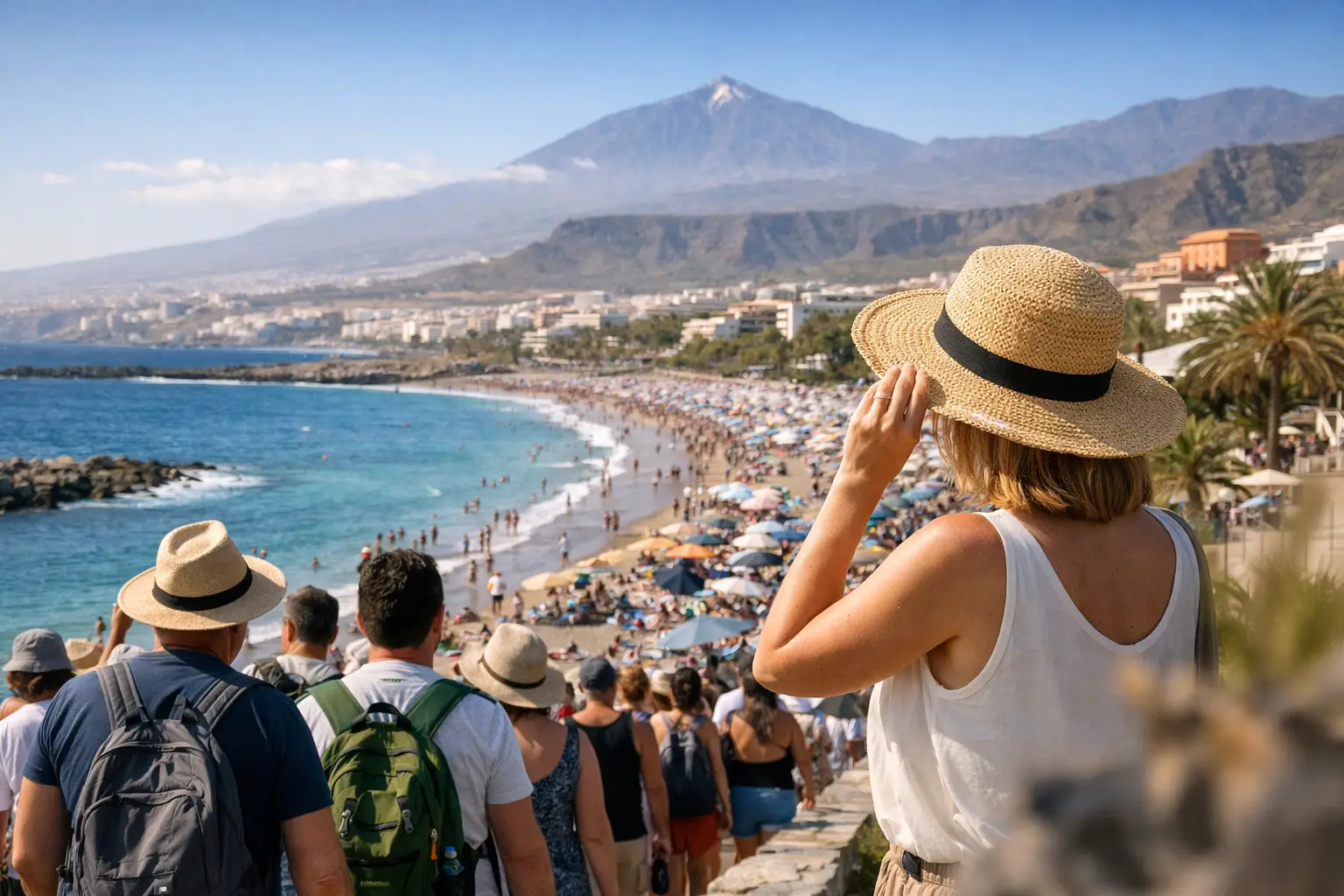
In ecological terms, carrying capacity defines the maximum number of visitors a destination can comfortably accommodate before the environment, local infrastructure, and the visitor experience begin to degrade. In Tenerife, which welcomes over six million tourists annually, this threshold is not just a single static number. It varies drastically by region, season, and ecosystem.
A heavily commercialized promenade in the south has a different tolerance level compared to a vulnerable volcanic cove, a remote mountain village in Anaga, or the fragile marine corridor between Tenerife and La Gomera. The real issue facing the island is not necessarily the total volume of arrivals, but the intense geographical concentration. When millions of visitors are pushed into a narrow coastal strip in south Tenerife, the resulting strain on public spaces, local communities, and natural assets compromises the very luxury and tranquility that high-end travellers are seeking.
Most holidaymakers do not arrive thinking about urban planning, but they notice the symptoms of an overstretched ecosystem immediately. Motorways experience heavy traffic during peak hours, finding parking near popular beaches becomes a frustrating ordeal, and crowded commercial excursions can feel more like an assembly line than a memorable holiday experience.
Island ecosystems are fundamentally finite. Unlike mainland European destinations, a volcanic island cannot simply expand outward to absorb growth. High visitor numbers place intense, direct pressure on critical freshwater resources, municipal waste systems, and local housing markets. For tourism to remain successful and welcomed by the resident Canarian population, the industry must transition away from extractive, high-volume mass crowds and focus entirely on generating high-value, lower-impact experiences that respect the local lifestyle.
The environmental strain is particularly critical when we look out at the ocean. The deep maritime channel separating Tenerife from La Gomera is a globally recognized **Whale Heritage Site**, home to permanent resident colonies of pilot whales and bottlenose dolphins. This bio-diverse marine corridor is a rare natural privilege, but it also places an immense ethical responsibility on local boat operators.
When marine tourism is driven purely by volume and cheap ticket sales, the results at sea are highly damaging. Unregulated boat traffic, a lack of operator discipline, and aggressive vessel maneuvering put severe acoustic and physical stress on the cetacean populations. Responsible tourism on the water requires strict adherence to international maritime protocols: maintaining a respectful distance, turning off engines during encounters, limiting the number of boats near a pod, and understanding animal behavior. A premium maritime experience should be defined by quiet, awe-inspiring education, not theatrical entertainment.
The smartest response to Tenerife's carrying capacity challenges is not to stop travel altogether, but to elevate its quality. This means championing a model that delivers exceptional value, localized economic benefits, and premium hospitality without relying on maximum passenger throughput.
This is where the boutique marine leisure sector plays a vital role. Booking a private yacht charter or a strictly limited small-group excursion creates a drastically smaller environmental footprint compared to a crowded, mass-market commercial catamaran carrying 80 to 100 passengers. A smaller vessel allows for a gentler, far more respectful approach to wildlife, causes less congestion at the marinas, and prioritizes ecological stewardship over raw footfall. Premium travel and environmental sustainability do not contradict each other; in fact, they work together perfectly.
As a traveller, you hold immense power to shape the future of the destinations you visit. By making deliberate, quality-driven choices, you directly support the preservation of the island's natural capital. To enjoy Tenerife at its most authentic and elegant, consider these conscious travel practices:
At Royal Ocean, providing a conscious, low-occupancy experience is not a marketing trend—it is the core foundation of our hospitality. We believe that the ultimate luxury is space, silence, and peace of mind. By keeping our guest numbers low and our standards of environmental care high, we ensure that the breathtaking Atlantic ocean and the extraordinary coastline of Tenerife remain pristine, calm, and utterly magical for generations to come.