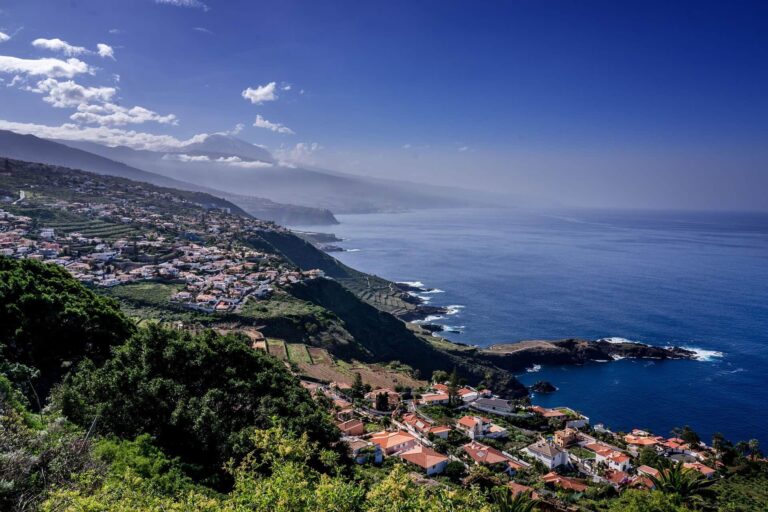
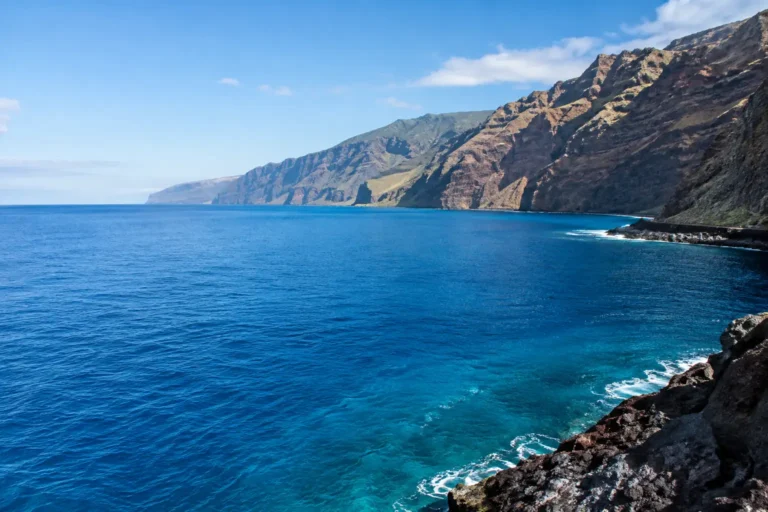
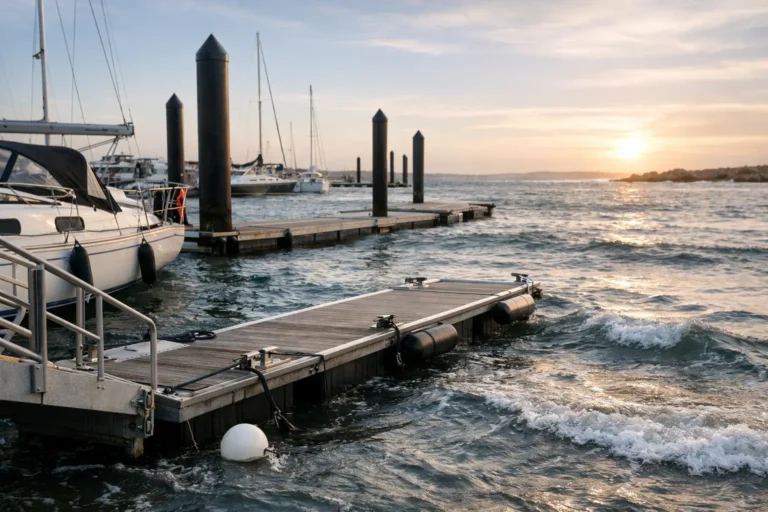
A calm Atlantic morning off Tenerife can feel almost unfair when you compare it with a blustery, unpredictable spring day in Mallorca. That striking contrast is exactly why understanding the climate differences between the Canary Islands and the Balearic Islands is so important for travellers planning time on the water. If you are choosing between a private yacht charter, a wildlife cruise, or simply searching for the most reliable winter sunshine, the difference goes far beyond basic temperature. It comes down to geography, wind patterns, ocean currents, and how each island group interacts with completely different weather systems.
For guests investing in a premium boat trip, weather confidence changes everything. Nobody wants their long-awaited day at sea or an ethical whale-watching cruise to be interrupted by sudden coastal storms. The great advantage of the Canary Islands is their unique climatic stability, allowing for comfortable year-round sailing, whereas the Balearics rely on a much narrower, highly seasonal weather window. Understanding these mechanics ensures you choose the perfect destination for your time on the water.
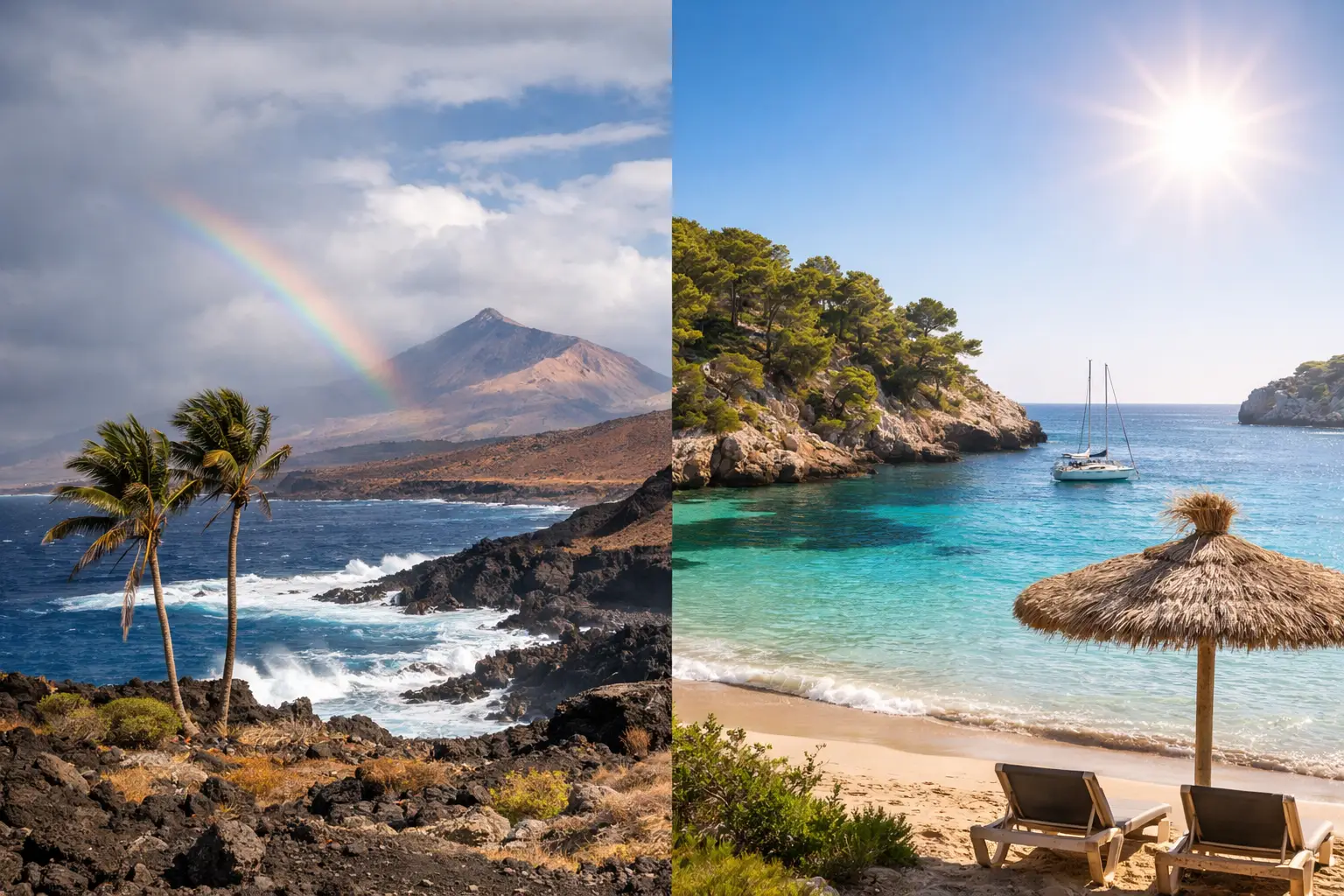
At first glance, both destinations are beautiful Spanish archipelagos with immense tourism appeal and established yachting scenes. In practice, however, they operate under completely separate climate logic. The Canary Islands sit in the open Atlantic Ocean, just off the north-west coast of Africa, while the Balearic Islands (Mallorca, Menorca, Ibiza, and Formentera) are nestled in the western Mediterranean, much closer to mainland Europe.
This single geographical fact changes everything. The Canaries are constantly moderated by the cooling Canary Current and the steady northeast trade winds, which gently soften seasonal extremes—preventing oppressive heat in the summer and blocking freezing temperatures in the winter. The Mediterranean, being an enclosed sea, heats up quickly in July and August but cools down just as rapidly in autumn, leaving the Balearics highly exposed to colder air masses moving down from the European continent.
For visitors, this means Tenerife offers dependable, spring-like warmth 365 days a year. The Balearics, on the other hand, follow a classic Mediterranean pattern: glorious high summers, milder shoulder seasons, and a noticeably volatile winter and early spring.
For anyone booking a premium yacht charter, weather is never just about air temperature. Sea state, swell direction, visibility, and wind consistency matter just as much as cloud cover.
In the Canaries, and specifically around south Tenerife, coastal cruising conditions are exceptionally protected by the island’s dramatic geography. Mount Teide and its towering mountain range act as a giant natural shield, completely blocking the cooler northern winds and rains. This is why the southwest coast around Costa Adeje remains a calm, sun-drenched haven, even on days when the north of the island is overcast or breezy.
The Balearics can be absolutely spectacular on the water during peak summer, but outside of July and August, the Mediterranean can change its character rapidly. A settled summer afternoon is tough to beat, yet spring and autumn can bring sharp wind shifts, cooler spells, and unexpected maritime weather interruptions that catch many holidaymakers by surprise.
This doesn't make one destination universally better than the other, but it dictates the rules of your holiday. If you prioritize guaranteed comfort on deck and predictable sea conditions regardless of the calendar month, the Canaries hold a clear advantage. If your priority is swimming in very warm, bath-like waters and enjoying a vibrant high-summer social scene, the Balearics are a fantastic choice in August.
The Canaries benefit from a subtropical location, but they do not simply bake under stagnant, heavy heat. Their year-round comfort comes from a brilliant natural balance. The northeast trade winds provide a refreshing, clean breeze across the decks, while the Canary Current regulates the surrounding ocean temperatures.
This is why Tenerife always feels refined rather than oppressive. Even in the peak of summer, the sea air remains light and crisp compared to the heavy, humid heat found in inland Europe or Mediterranean coastal resorts. On a yacht, this translates to a far more comfortable experience, allowing you to sunbathe on the bow, enjoy drinks on deck, and cruise for hours without feeling drained by the sun.
Furthermore, because the south of Tenerife is highly arid and shielded from storms, it creates a dependable, calm marine platform. This reliability is the primary reason why experienced travellers choose luxury yacht charters and whale and dolphin watching excursions in Tenerife throughout the year, even in the middle of January.
The Balearic system works on a stricter seasonal clock. High summers are hot, dry, and exceptionally glamorous, featuring sea temperatures that can reach a warm 26°C to 28°C. If your dream boat trip involves stepping off the swim platform into perfectly warm water, August in Ibiza or Mallorca is spectacular.
However, the trade-off is a brief operating season. As autumn approaches, the Mediterranean cools down quickly, and sudden, dynamic storms become much more frequent. By winter and early spring, most charter yachts in the Balearics are pulled out of the water for dry storage due to unpredictable sea states. Meanwhile, south Tenerife is entering its golden winter season, welcoming guests to warm, active waters.
If your ultimate goal is peak-summer Mediterranean glamour, very warm water for swimming, and a highly seasonal beach-club atmosphere, the Balearics will suit you beautifully.
However, if you value predictability, want to guarantee clear sunny skies, prefer a refreshing sea breeze, and want to book a day at sea without the risk of a last-minute cancellation due to a passing storm, Tenerife is the undisputed winner.
The microclimate of south Tenerife is our greatest asset. It allows us at Royal Ocean to host world-class yacht charters year-round, guaranteeing smooth passages, ideal lighting for photographs, and total safety during your swim stops. You don't have to wait for a narrow Mediterranean weather window—on board our premium yachts, the perfect ocean day is waiting for you whenever you are ready.