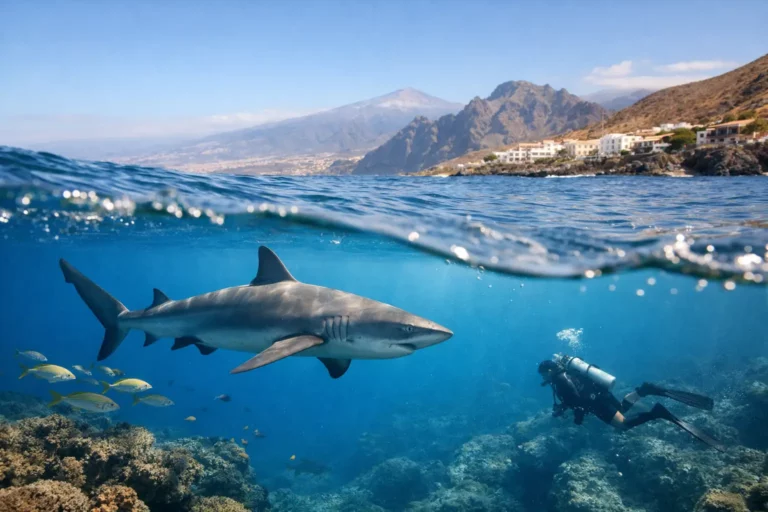
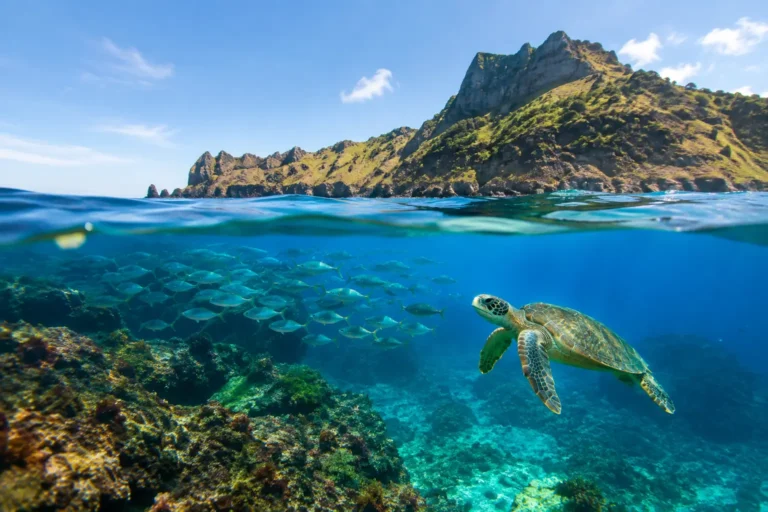
Throughout the twentieth century, commercial whaling was a normal economic activity. Fishing fleets left port and returned with thousands of dead whales, and this was considered standard practice. Over the course of that century, humans killed approximately 2.9 million large whales. The blue whale, once the most abundant species on the planet, saw its population decline by approximately 97%. This was catastrophic in scale, unfolding in plain sight, yet few noticed.
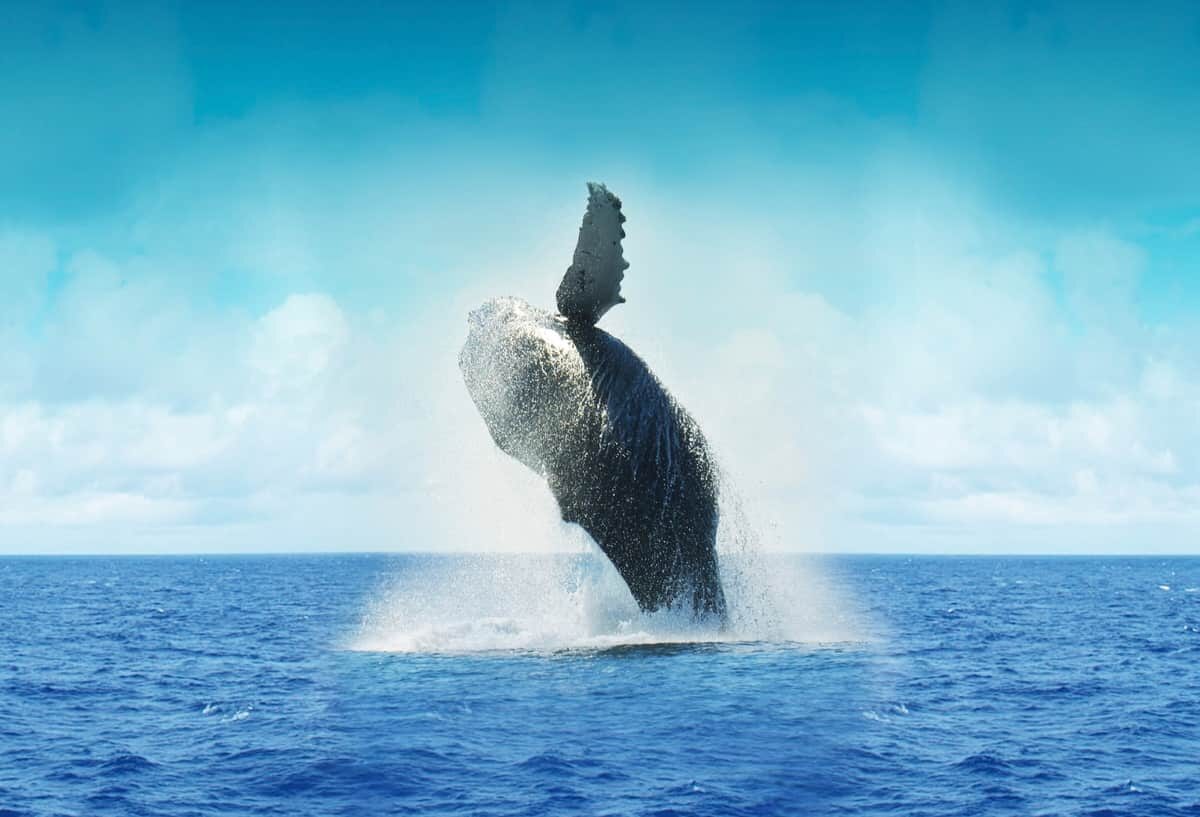
A turning point came in 1986. The International Whaling Commission finally enacted a moratorium on commercial hunting. By 1991, the annual kill dropped from roughly 15,000 whales to around 700. It was not a complete victory — Japan, Norway, and Iceland continued hunting under claims of "scientific research" and cultural traditions — but for most of the world, commercial whaling became history.
Yet the moratorium left a serious question unanswered: what came next? Coastal communities that had depended on whaling for centuries could not simply transition overnight. An alternative was needed. And it emerged.
The concept was straightforward: instead of killing whales, people could pay to see them. Organized whale watching began developing in the United States and Canada in the 1970s but truly flourished in the 1980s and 1990s as the whaling industry declined.
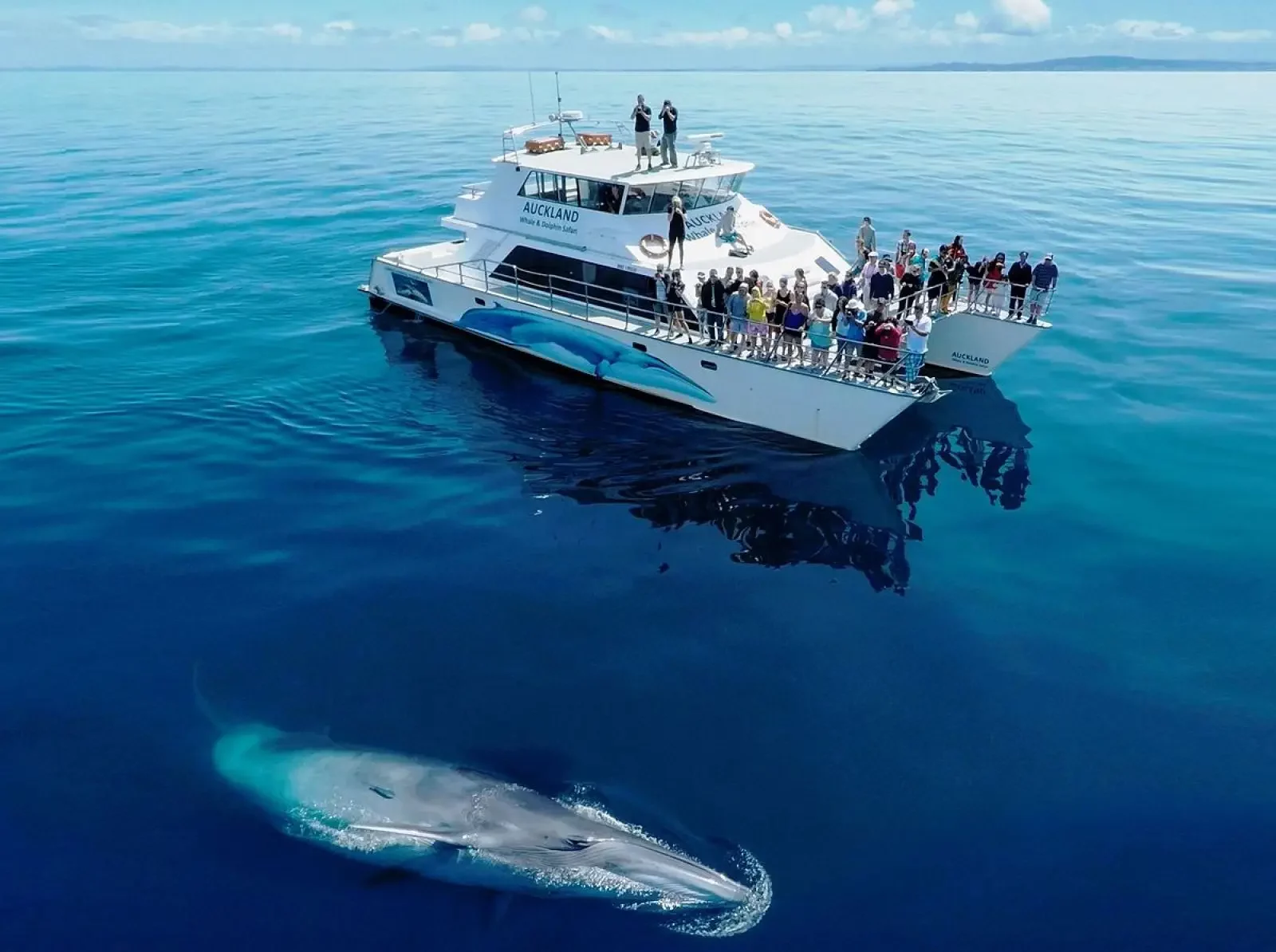
Today, this is a multibillion-dollar industry. By 2024, the global whale watching industry reached approximately $2.85 billion in value, with more than 13 million people participating in such tours annually across approximately 120 countries. Research from the early 2010s suggested that if the industry expanded into new regions, it could generate an additional $413 million USD in yearly revenue and support around 5,700 jobs, bringing the total potential to over $2.5 billion USD in annual revenue and approximately 19,000 jobs worldwide.
This is far more than tourist entertainment. Whale watching became one of the strongest arguments for marine mammal conservation.
The story of Tenerife is particularly telling. In the 1980s, the island was a typical Spanish beach destination. Los Cristianos, Costa Adeje — places for sunbathing, hotels, and nightlife. Few paid attention to the fact that just offshore lived one of the world's largest populations of resident short-finned pilot whales.
Everything changed in 1985. A company called Tenerife Dolphin made a discovery: the animals they had been showing to tourists on their boats were not dolphins at all, but pilot whales. Among the tourists was a marine biologist who pointed this out. Rather than dismiss this, the company chose to reorient its operations. They began to learn, hired scientists, and gradually transformed entertainment into genuine wildlife observation.
This was a rare instance of a business evolving toward greater responsibility. Not because it was cheaper — often it cost more — but because those involved understood the value of living animals.

Today, the whale-watching tourism industry on Tenerife generates approximately €42 million annually and attracts 1.4 million tourists. On a single boat excursion here, visitors can observe up to nine cetacean species — pilot whales, spotted dolphins, common dolphins, sperm whales, and others.
Success carries expectations. In January 2021, the Tenerife–La Gomera marine area was designated as a "Whale Heritage Site" — the first in Europe. While this sounds honorary, it represented serious commitments. The Canary Islands authorities introduced yellow flags for boats that meet strict standards. Only about 66 vessels have authorization to conduct whale-watching activities.

These restrictions govern the distance to animals, approach speed, maximum number of boats in one zone, and prohibit swimming with whales. Since 2018, inspectors have issued more than 1,700 fines for violations — illegal fishing, unauthorized tours, improper anchoring in seagrass beds. In 2025, Tenerife recorded nearly 200 official enforcement actions against illegal whale-watching operations, making it the leader among the Canary Islands in such violations.
Alongside regulation developed scientific programs. A team of volunteer biologists with the organization WeWhale conducts long-term research on pilot whale and dolphin populations. They film video, record vocalizations, and track individual animals by their distinctive scarring and fin marks. This data enables monitoring of population health, identification of sick or injured animals, and early warning of potential problems.
Tourism revenue funds these research initiatives. A portion of income supports education programs and local conservation projects. This creates a cycle: tourists want to see healthy animals, healthy animals can only be displayed responsibly, responsible practices require monitoring and scientific data, and monitoring is financed by tourism.
In fairness, Tenerife's situation is far from perfect. In 2025, the island ranked first in the Canary Islands for illegal whale-watching operations. Tourists sometimes swim with animals despite prohibitions. Illegal fishers continue to work in protected zones.
Yet even with these challenges, the system works far better than it would in its absence. The short-finned pilot whale population remains stable. The animals live here year-round, reproduce, and raise their young.
Tenerife's story illustrates something crucial: when approached correctly, economic interests and nature conservation need not oppose each other. A living whale has economic value, arguably greater than a dead one. But this works only with serious oversight mechanisms, scientific monitoring, and political commitment.
The 1986 moratorium on commercial whaling was the first step. The shift to whale-watching tourism was the second. Today, as global populations of pilot whales, humpback whales, and sperm whales recover, it becomes clear that the transition from hunting to tourism was not simply an economic necessity. It was a form of species rescue.
Decades ago, it seemed that blue whales, humpback whales, and many others would simply disappear due to human profit-seeking. The California population of blue whales has recovered to 97% of historical levels — approximately 2,200 animals — and is the only blue whale population to achieve this result. In other regions, such as Antarctica, blue whale populations remain at approximately 1-2% of historical numbers.
If you ever find yourself on the southwest coast of Tenerife and see a graceful pilot whale breach the surface, remember that this occurred because of a political decision made thousands of kilometers from your hotel. That decision was not obvious. Many countries opposed it. Yet it was made. And because of it, these animals have a future.