The first thing many guests ask, often just after booking their flights, is when is best time for whale watching Tenerife. The reassuring answer is that Tenerife is one of the rare destinations in Europe where whale and dolphin watching is excellent all year round. The more useful answer is that the best time depends on what matters most to you - wildlife activity, calmer seas, warmer weather, fewer crowds, or a more private feel on board.
That distinction matters. If you are choosing between a standard crowded excursion and a more refined experience on the water, timing can shape the entire atmosphere of your trip. A bright winter morning with flat seas feels very different from a busy summer afternoon, even if the same resident species are present.
Tenerife enjoys a privileged position for marine life because the waters between Tenerife and La Gomera are home to resident populations of pilot whales and bottlenose dolphins. Unlike destinations where sightings are highly seasonal, whale watching here is not limited to a short migration window. You can book in January, May, August or November and still have a very strong chance of seeing cetaceans.
For most visitors, that is the key advantage. You do not need to build your holiday around one narrow season. The island offers genuine year-round opportunity, particularly from the south coast, where departures from areas such as Costa Adeje and nearby resorts have quick access to productive waters.
That said, year-round does not mean every month feels exactly the same. Sea state, sunlight, air temperature and visitor numbers all shift through the year, and those details influence comfort just as much as sightings.
If your priority is the most comfortable overall experience, many travellers find spring and autumn especially appealing. Months such as March to May and September to November often bring a lovely balance - pleasant temperatures, good visibility and, quite often, calmer-feeling trips than the busiest points of summer.
Spring can be particularly attractive for guests who want sunshine without the peak-season rush. The sea is usually inviting, the light is clear, and the south of Tenerife tends to feel settled. For couples or small groups looking for a more relaxed luxury experience, this season often hits the right note.
Autumn is another standout. After the height of summer, the sea can remain warm and conditions are often very enjoyable for a cruise that combines whale watching with time to unwind on board. If you like the idea of marine wildlife without the feeling of joining the busiest tourist period, early autumn is often an excellent choice.
Winter surprises many first-time visitors. While much of Europe is cold and grey, Tenerife remains mild and bright, and whale watching can be superb. Some winter days are beautifully crisp with excellent visibility. The trade-off is that occasional weather systems can make the sea feel livelier, so flexibility helps.
Summer remains popular for obvious reasons. Long, sunny days and holiday schedules make it easy to plan a trip, particularly for families and groups. The compromise is that summer can feel busier, both on land and at sea, especially on mass-market boats. If you want the season’s sunshine with a more spacious, attentive atmosphere, the style of boat you choose becomes just as important as the month.
January and February can be very good for sightings, with mild weather and a pleasant escape from winter back home. March, April and May are often among the most balanced months for comfort. June, July and August bring peak holiday energy and reliably warm conditions. September and October are favourites for many returning visitors thanks to the warmth and slightly softer pace. November and December are also strong options, especially for a festive or winter-sun break with time on the water.
If you are asking purely about the probability of seeing whales or dolphins, Tenerife performs strongly throughout the year. Pilot whales and bottlenose dolphins are resident species, so there is no single magic month where everything suddenly becomes possible.
The more practical question is this: what kind of outing do you want? Some guests care most about ticking off a sighting. Others want a half-day that feels elegant, calm and memorable from start to finish. Those are not the same thing.
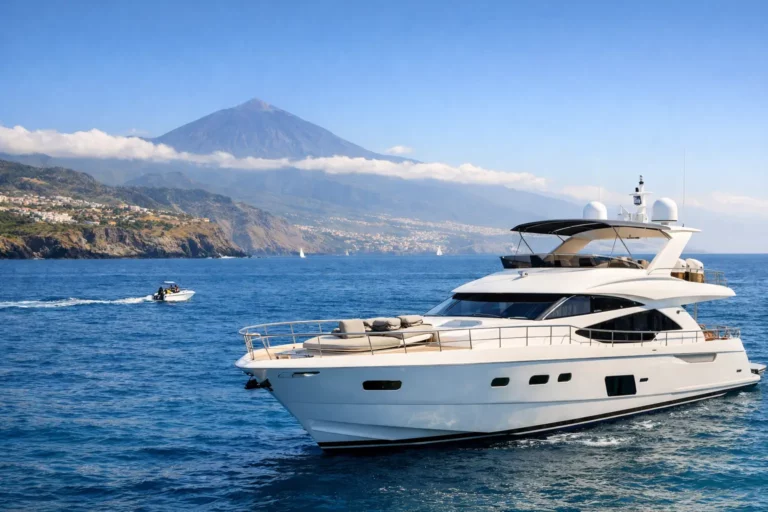
A luxury whale-watching experience is shaped by more than marine life alone. Space on board, the quality of service, the route chosen, and the ability to enjoy the journey without being shoulder to shoulder with other passengers all make a real difference. On a comfortable yacht, even the time spent cruising between sightings becomes part of the pleasure.
The month matters, but so does the departure time. Morning trips are often the preferred choice for guests who value calmer conditions. The sea can feel smoother earlier in the day, especially before afternoon breezes build. Light is also gentle and flattering, which adds to the scenery and to photographs.
For travellers who are prone to seasickness, morning departures are often worth prioritising. They can offer a steadier ride and a more relaxed atmosphere. This is one of those small decisions that can significantly improve the experience.
Midday and afternoon trips still work very well, especially in settled weather, but they can feel warmer and occasionally busier. The benefit is a livelier holiday mood and, depending on the charter, the chance to combine wildlife watching with sunbathing, swimming or a long, leisurely cruise.
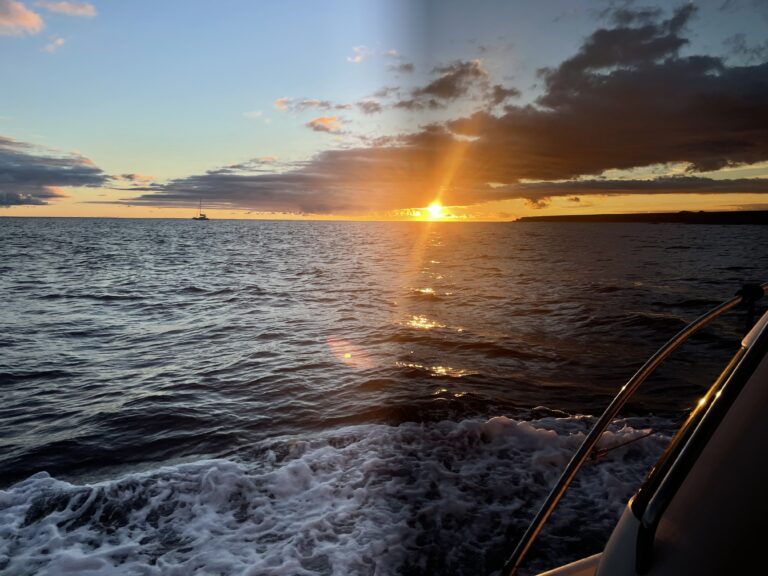
Sunset-focused experiences are less about maximising wildlife time and more about enjoying Tenerife at its most beautiful. If your ideal trip includes golden light, chilled drinks and a refined end to the day, sunset can be irresistible. For dedicated whale watching, however, morning often has the edge.
If exclusivity is part of the appeal, avoid assuming that every tour will feel the same. Peak weeks in summer, school holidays and festive periods can make the harbours and popular excursion boats much busier. Wildlife may still be there, but the overall mood can be less serene.
For a quieter experience, weekdays outside major school holiday periods are often a smart choice. Spring and autumn are especially attractive for this reason. Booking a premium shared cruise or private yacht trip also changes the feel entirely. Rather than joining a high-volume excursion, you can enjoy more space, more attentive crew service and a pace that feels relaxed rather than rushed.
This is where a company such as Royal Ocean stands apart. For guests who want whale watching to feel polished and comfortable, not crowded and chaotic, the setting matters as much as the sighting.
One of the most overlooked truths about whale watching is that the best day can matter more than the best month. A calm day in January may feel far more enjoyable than a choppier day in August. Marine wildlife does not perform to a calendar, and the Atlantic always deserves respect.
That is why it helps to stay flexible where possible. If your travel plans allow, booking earlier in your stay gives room to move the trip if conditions are less favourable. It is also worth choosing an experienced operator who knows the local waters well and can advise honestly on sea state and comfort.
Guests sometimes focus entirely on heat and sunshine, but comfort on board is usually shaped by a combination of swell, wind and how the trip is run. A well-maintained yacht, professional crew and thoughtful service make a noticeable difference when you are out at sea.
For the broadest mix of pleasant weather, strong sighting potential and a more refined atmosphere, spring and autumn are hard to beat. If you want winter sun and excellent year-round wildlife, winter is a very appealing option. If school holidays dictate your plans, summer still offers wonderful trips - simply aim for an operator that gives you more space and comfort.
If you want the calmest feel possible, choose a morning departure. If you want romance and scenery, sunset has obvious appeal. If you want the most exclusive experience, avoid the busiest dates and consider a private or premium small-group charter.
The real beauty of Tenerife is that there is no bad season to head out on the water, only better fits for different kinds of travellers. Choose the time that suits your style of holiday, leave room for the sea to set the pace, and you are far more likely to enjoy the kind of whale-watching experience that stays with you long after you leave the island.