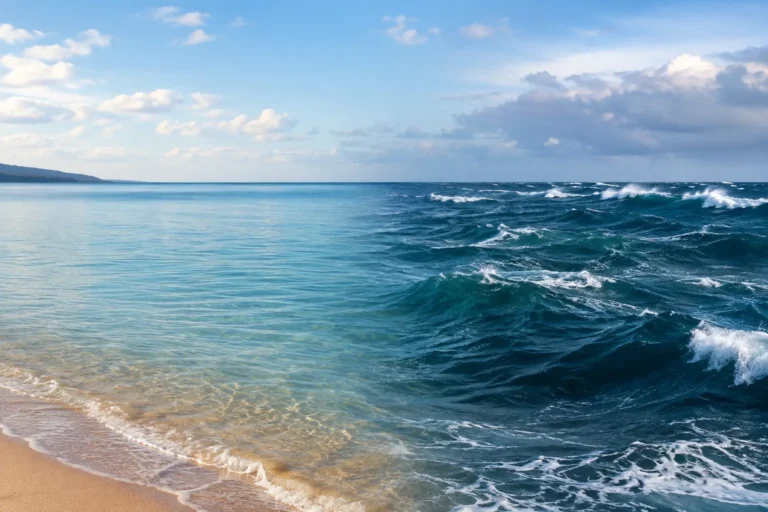
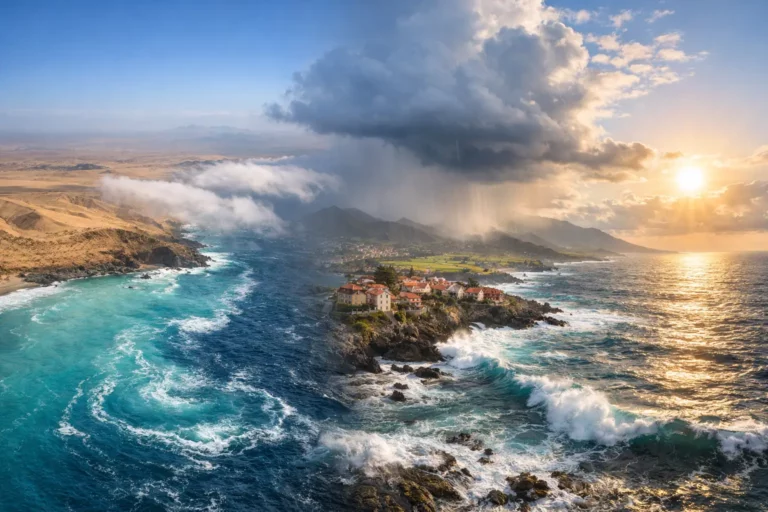
A clear morning in Costa Adeje can feel almost tailor-made for a yacht cruise — bright sunshine, light breeze, calm Atlantic water and that easy warmth that makes Tenerife such a reliable escape. If you have ever wondered how the Azores High shapes the climate of Tenerife, the answer sits behind many of the island’s best holiday conditions, especially in the south where sea days are often at their most comfortable.
This pressure system is one of the main reasons Tenerife enjoys so many settled days, but it does more than deliver sunshine. It influences wind direction, cloud cover, sea state and even why one side of the island can be dry and golden while another looks greener and fresher. For travellers planning time on the water, understanding it adds a useful layer of confidence — and a little appreciation for why Tenerife feels so distinct from mainland Europe.
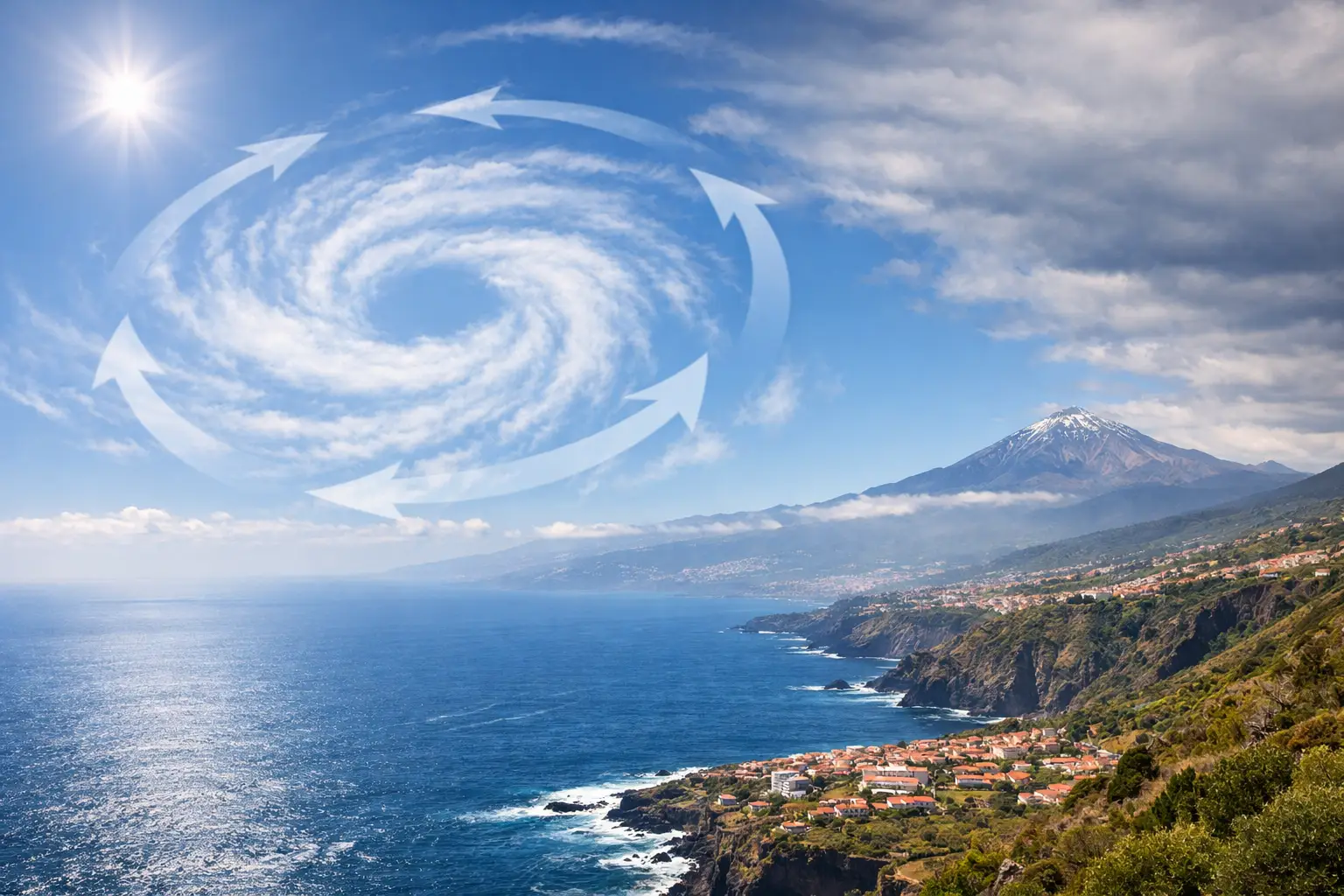
The Azores High is a large semi-permanent area of high atmospheric pressure over the North Atlantic, usually centred near the Azores. High pressure means air is generally sinking rather than rising. As that air descends, it becomes more stable, which tends to reduce cloud formation and limit unsettled weather.
For Tenerife, that matters enormously. The island lies in a zone where the Azores High frequently extends its influence, particularly through much of the warmer part of the year. When it is well positioned, it helps create the calm, dry and sunny conditions that make the island such a dependable choice for outdoor plans, coastal stays and luxury days at sea.
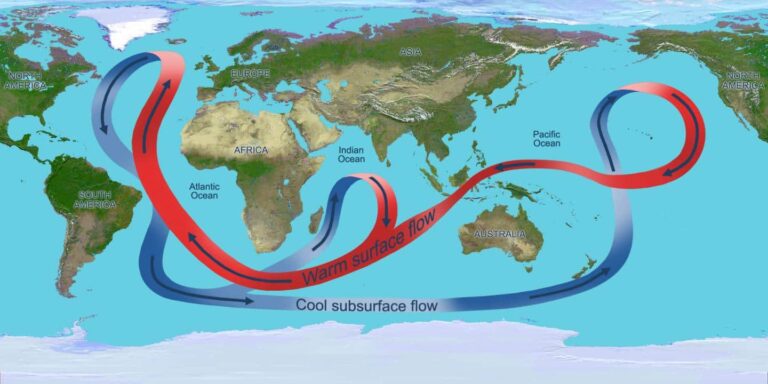
Of course, it is not the only climate driver. Ocean currents, altitude, local topography and seasonal shifts all have their say. But the Azores High is one of the headline acts.
| Season | Azores High Position | Impact on Tenerife Weather | Yachting & Coastal Sea State |
|---|---|---|---|
| Summer (Jun–Aug) | Shifts Northwards (Stronger influence) | Maximum stability, hot and dry south, clear skies | Highly predictable, gentle trade winds, ideal for sunset cruises |
| Autumn (Sep–Nov) | Gradual southward shift | Warm, soft light, lower winds, very pleasant air | Excellent water temperature, exceptionally smooth cruising |
| Winter (Dec–Feb) | Moves South / Weakens | Mild sunshine, occasional passing Atlantic fronts | Generally calm in the south, but requires professional skipper monitoring |
| Spring (Mar–May) | Rebuilds and moves North | Fresh breezes, rapidly increasing sunshine hours | Crisp visibility, active marine wildlife, great morning cruising |
The most noticeable effect is stability. High pressure acts like a calming hand over the atmosphere, making prolonged stormy periods less common than many visitors expect from an Atlantic island. That is one reason Tenerife is known for a gentle climate rather than dramatic weather swings.
It also helps steer the northeast trade winds. These winds are another defining feature of the Canaries, and they interact with Tenerife’s landscape in fascinating ways. As moist Atlantic air arrives from the northeast, it is pushed up by the island’s slopes. When air rises, it cools, and that often forms cloud on the northern and north-eastern sides of the island.
Meanwhile, the south often sits in the rain shadow of Mount Teide and the central highlands. By the time the air crosses the island, much of its moisture has already been lost. That leaves southern areas such as Costa Adeje, Playa de las Américas and Los Cristianos sunnier and drier for much of the year.
For visitors, this creates one of Tenerife’s great advantages: remarkably varied weather within a short distance. You can leave a greener, cloudier hillside and arrive at a sunlit marina not long after.
This is where climate science becomes very practical. The Azores High encourages the wider stable pattern, while Tenerife’s terrain fine-tunes it. The result is that the south has built its reputation on reliable sunshine, lower rainfall and very pleasant coastal conditions.
That is especially appealing if your holiday priorities include relaxing on deck, swimming in clear water or enjoying a quieter, more refined boat trip rather than gambling on uncertain weather. Premium marine experiences benefit from predictability, and Tenerife’s southern coast is one of the best examples in Europe of a destination where the climate regularly supports that sense of ease.
Even with the Azores High in control, Tenerife is not uniformly calm every single day. Stronger trade winds can still funnel around parts of the island, and some days are breezier than others. Summer can bring hazier spells, while winter may see occasional Atlantic fronts slipping through when the high pressure shifts.
That does not cancel out the island’s reputation. It simply means Tenerife’s climate is reliable rather than mechanical. Conditions are often excellent, but the best operators still pay close attention to wind, swell and visibility before heading out.
For anyone booking time on the water, climate is not an abstract topic. It shapes comfort, scenery and the overall quality of the experience. A stable high-pressure pattern often means smoother cruising conditions, better visibility and a more relaxed atmosphere onboard.
That is particularly valuable for guests who want whale and dolphin watching, a romantic sunset cruise or a private celebration without the rushed, crowded feel of a mass-market excursion. Calm seas are not guaranteed every day, but the broad climate pattern gives south Tenerife a strong advantage for marine leisure.
It also helps with those details that make a yacht experience feel effortless rather than merely scenic. Sunshine lingers, sea spray feels refreshing instead of cold, and time at anchor for a swim stop becomes genuinely inviting. When conditions line up well, the whole coastline feels polished and easy.
The Azores High does not sit in exactly the same place all year, and that seasonal movement affects Tenerife. In summer, its influence is often stronger, bringing very settled weather, drier air and long bright days. This is when the south can feel especially dependable for boating, swimming and sunset trips.
In winter, the climate usually remains mild and attractive, especially compared with much of Britain and northern Europe, but there is a slightly greater chance of passing weather systems. Temperatures are still comfortable, and many sea days remain excellent, yet conditions can vary more from one week to the next.
Spring and autumn often strike a lovely balance. The sea can be especially pleasant, the light is softer, and the island keeps much of its signature stability. For many travellers, these shoulder seasons offer some of Tenerife’s most elegant cruising conditions.
One exception worth knowing is calima, when hot, dry air and Saharan dust move across the Canary Islands. This is not caused by the Azores High alone, but pressure patterns can help set the stage for it. During calima, visibility may drop, the air can feel unusually warm and dry, and the atmosphere may look hazy rather than crystal clear.
These episodes do not define Tenerife’s climate, but they are part of the island’s weather story. If they occur during your stay, they usually pass. A professional crew will always take actual sea and weather conditions into account when planning the most comfortable route.
One of the most charming parts of understanding how the Azores High shapes the climate of Tenerife is realising that it does not create sameness. It creates contrast. The north is often greener and cooler, while the south feels brighter, warmer and more arid.
That contrast is part of what makes the island so rewarding. You can spend the morning in the mountains or among pine forests and the afternoon cruising from a sunny southern harbour in a polo shirt and sunglasses. For holidaymakers, that means variety without needing to travel far.
For marine excursions, the southern base is especially valuable because it places guests close to the island’s most consistently settled coastal waters. It is no accident that so many premium experiences depart from this side of Tenerife.
If you are choosing a yacht charter or whale-watching trip, Tenerife’s climate gives you a strong starting point, but timing and local knowledge still matter. Morning trips can offer calmer conditions and beautifully clear light. Afternoon and sunset departures bring a softer atmosphere and wonderful colour, though breezes can sometimes freshen later in the day.
The most enjoyable experiences come from matching the right moment to the right style of trip. A private celebration may suit a golden evening departure, while wildlife watching often benefits from earlier calm and strong visibility. This is where an experienced operator adds real value — not only through service and comfort, but through understanding how daily weather patterns sit within Tenerife’s wider climate.
At Royal Ocean, that local awareness sits naturally alongside the details guests care about most: attentive crew service, a refined setting and the confidence that your time onboard has been planned around comfort as much as scenery.
Tenerife’s climate often feels generous, and the Azores High is a major reason why. It helps create the sunshine, stability and inviting sea conditions that turn a simple outing into a truly memorable day on the water. When you understand that, the island feels even more special — not just lucky, but beautifully shaped for it.