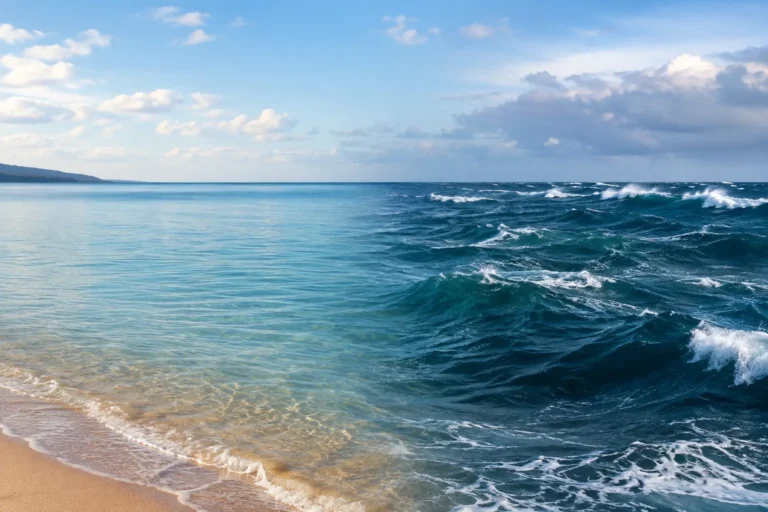
The World Ocean is not a static body of water. It is a moving, interconnected system that shapes climate, ecosystems, and human activity at sea. Ocean currents act as the planet’s circulatory system, redistributing heat, nutrients, and energy across thousands of kilometers.
For sailors, travelers, and ocean enthusiasts, currents are not abstract scientific concepts. They directly influence navigation, weather conditions, sea temperatures, and marine life encounters. Understanding ocean currents means understanding the ocean itself.
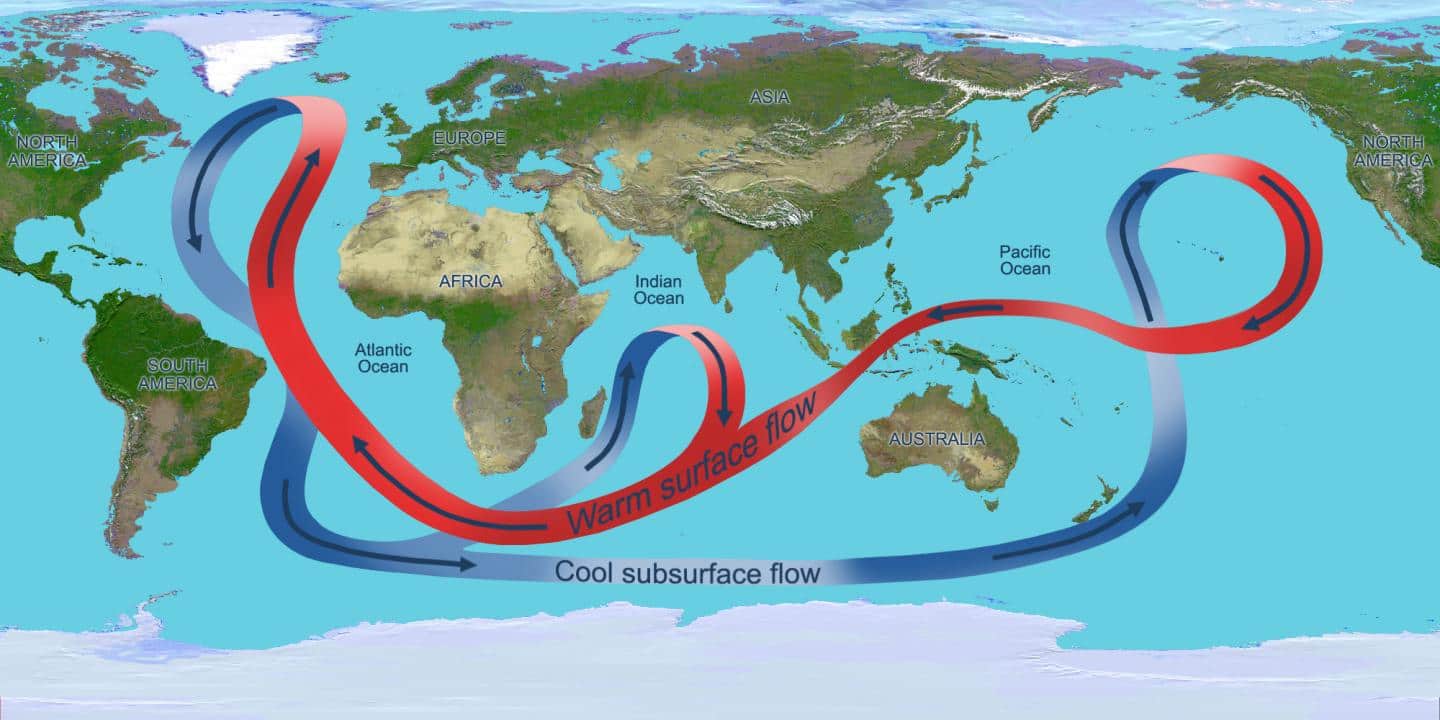
Ocean currents are large-scale, continuous movements of seawater created by the interaction of wind, Earth’s rotation, and differences in temperature and salinity. Together, these forces form a global circulation system connecting all major ocean basins.
Ocean currents transport warm water from tropical regions toward higher latitudes and return colder water toward the equator. This continuous exchange moderates global temperatures and reduces extreme climatic contrasts.
Did you know?
Without the Gulf Stream system, average temperatures in much of Europe would be 5–10°C lower, and the climate of the British Isles would resemble that of Labrador.
Ocean currents affect atmospheric circulation, precipitation patterns, storm development, and long-term climate trends. Even relatively small changes in ocean circulation can lead to significant regional and global consequences.
Ocean currents are a fundamental driver of marine life. By transporting nutrients across vast distances, they sustain phytoplankton growth, which forms the base of the marine food web and contributes significantly to global oxygen production.
In certain regions, winds and currents create upwelling, where cold, nutrient-rich deep waters rise to the surface. These areas are among the most biologically productive in the world ocean.
Upwelling zones support abundant fish populations, marine mammals, seabirds, and some of the world’s most productive fisheries.
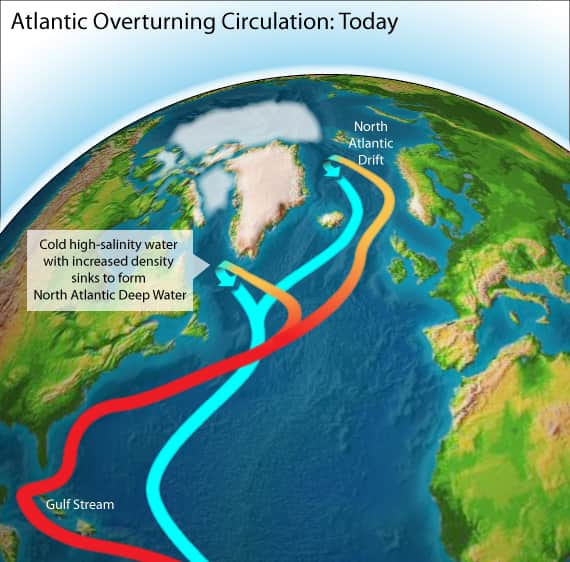
The Atlantic Ocean plays a key role in shaping Europe’s climate. Warm waters transported northward from lower latitudes help explain why Western and Northern Europe experience relatively mild winters compared to regions at similar latitudes elsewhere.
Historically, these currents have influenced trade routes, fisheries, coastal settlement, and maritime navigation across the continent.
The Canary Islands are located within a unique oceanographic setting shaped by the eastern boundary of the North Atlantic circulation system.
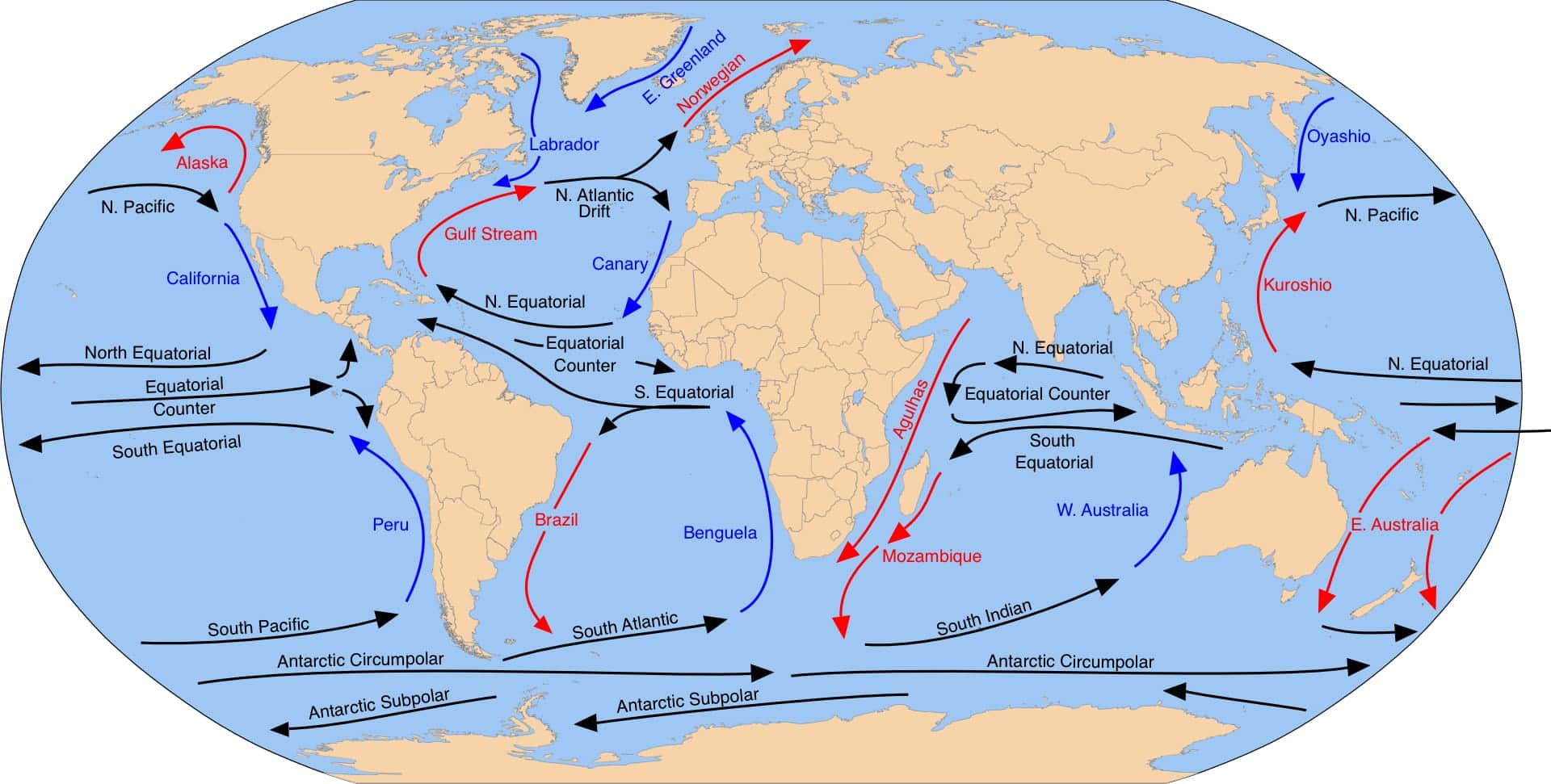
The Canary Current is a cool, southward-flowing surface current that forms part of the North Atlantic subtropical gyre. Despite the islands’ southern latitude, it helps maintain moderate sea surface temperatures and a stable coastal climate.
From a sailor’s perspective:
The Canary Current acts as a natural conveyor belt, assisting vessels traveling south along the African coast toward Cape Verde. For centuries, it shaped historic sailing routes and continues to influence passage planning today.
Along the northwest African coast, winds associated with the Canary Current drive strong upwelling. This process brings nutrient-rich deep waters to the surface and fuels one of the most productive marine ecosystems in the Atlantic.
For visitors and ocean lovers, this means exceptional fishing conditions and frequent encounters with whales and dolphins, sometimes even close to shore. The same physical processes that shape ocean circulation also create unforgettable marine experiences.
| Ocean Current | Region | Temperature | Main Impact |
|---|---|---|---|
| Gulf Stream | North Atlantic | Warm | Heat transport to Europe |
| Canary Current | Eastern Atlantic | Cold | Coastal cooling and upwelling |
| Antarctic Circumpolar Current | Southern Ocean | Cold | Global deep-ocean circulation |
| Equatorial Currents | Tropical regions | Warm | Heat redistribution |
In an era of climate change and increasing pressure on marine ecosystems, understanding ocean currents is more important than ever. These powerful systems influence climate stability, marine biodiversity, navigation safety, and the sustainability of island and coastal regions.
For ocean-centered destinations like the Canary Islands, currents are not invisible forces — they shape daily life, travel experiences, and the natural richness of the surrounding sea. Learning how the ocean moves helps us navigate it responsibly and protect it for the future.