The area of the Atlantic Ocean between Tenerife and La Gomera is an extraordinary place, rich in marine mammal biodiversity. About 23 species inhabit these waters, making this region unique for scientists and tourists seeking to encounter whales, dolphins, and other marine creatures in their natural habitat.
Tenerife and La Gomera are located in the volcanic Canary Archipelago. The depth of the strait between the islands ranges from 1,000 to 3,000 meters, with underwater canyons and slopes creating a complex sea floor topography. These conditions form a unique environment for many marine species.
Ocean currents bring nutrients, supporting a rich ecosystem. Wind and climate create optimal conditions for marine mammals to thrive.


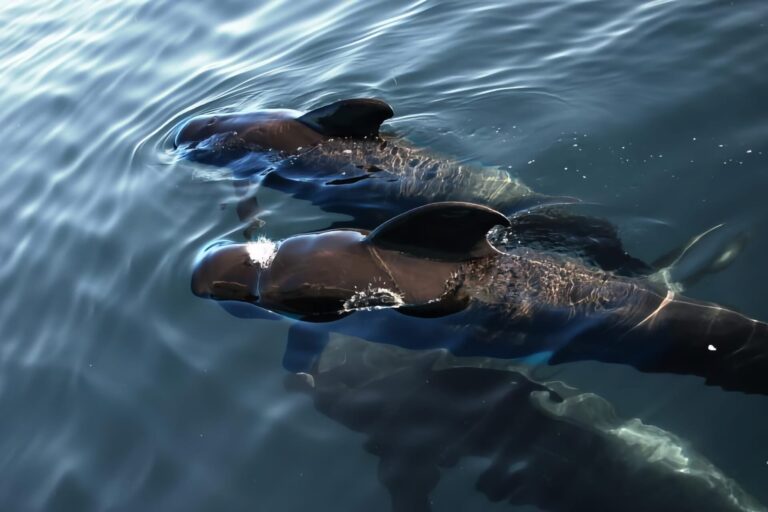
This is the most numerous colony of marine mammals in the area—about 2,000 individuals. Pilot whales live in large social groups of up to 30–40 individuals, feeding mainly on squid and small fish. The area between the islands is rich in food due to the volcanic underwater topography and currents. Pilot whales can dive up to 600 meters in search of cephalopods. They display advanced social behavior and are easily observed during marine excursions.
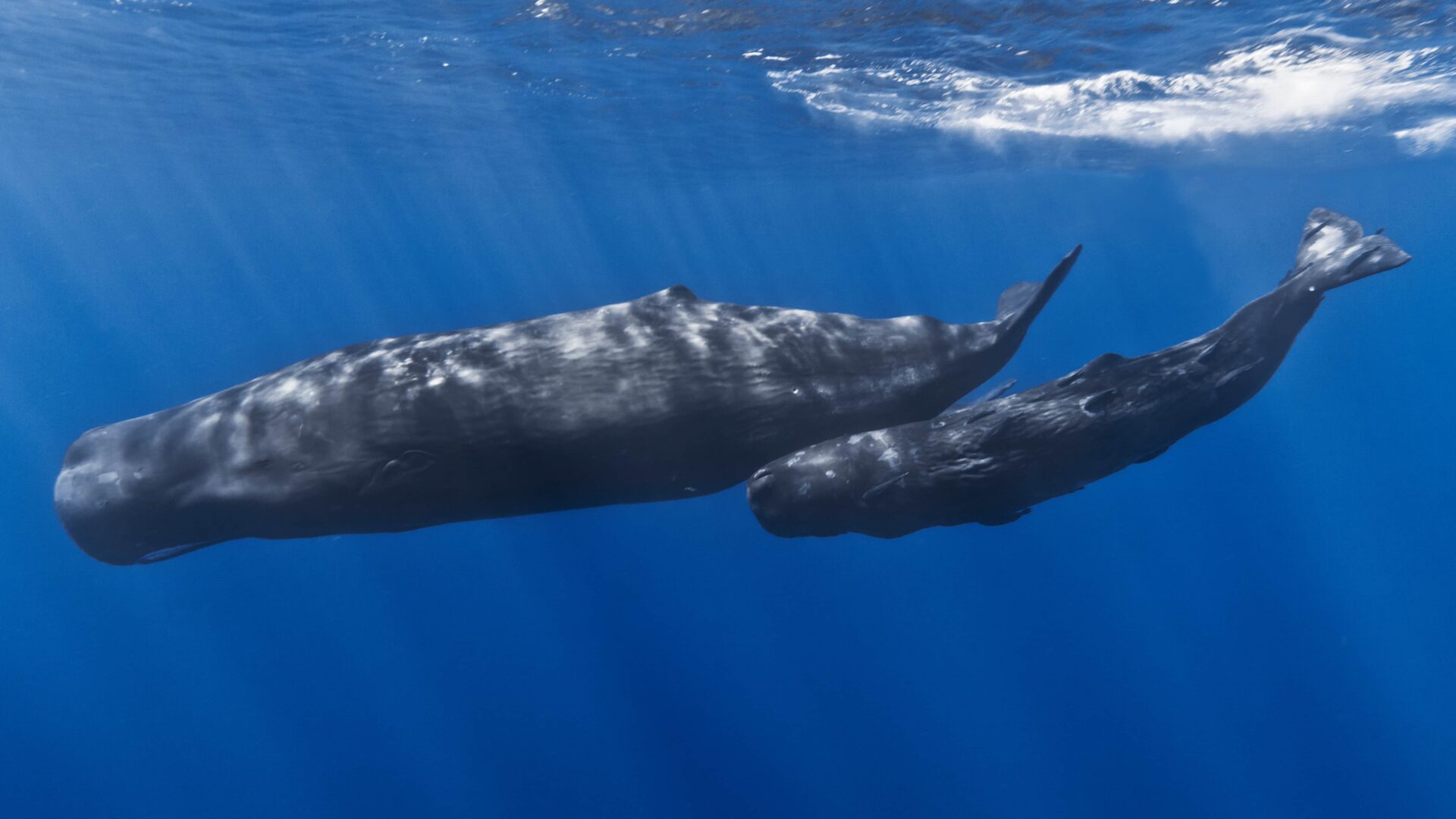
Sperm whales are the largest toothed whales and inhabit these waters year-round. They prefer deep areas (up to 3,000 meters) where they hunt squid—their main food source. Sperm whales are capable of diving to depths over 1,000 meters and remaining underwater for up to an hour. In the strait between Tenerife and La Gomera, there are estimated to be more than 200 individuals. Social groups consist of females and young, while adult males tend to lead more solitary lives.

Fin whales are the second-largest whale species in the world and are seasonal migrants. They appear in the waters between the islands mostly in the autumn and winter migration periods. They feed on plankton and small schooling fish, employing filter-feeding through baleen plates. The deep-sea canyons and favorable temperatures create an ideal environment for their migration and feeding.
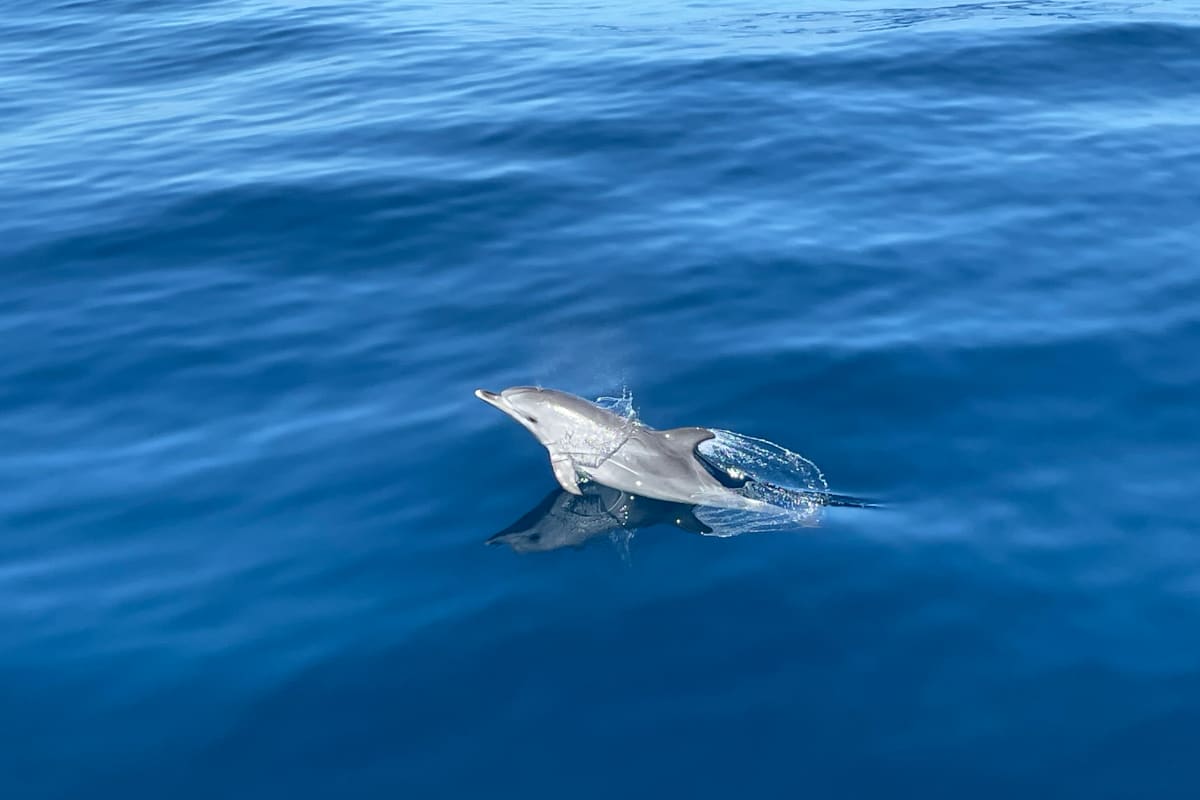
One of the most recognizable and widespread dolphin species in the region, with over 300 individuals resident here. Bottlenose dolphins inhabit coastal and semi-pelagic waters and often accompany boats and yachts. They prefer sheltered bays rich in fish, are highly intelligent, inquisitive towards humans, and adapt easily to changing conditions.
An active, medium-sized dolphin favoring open waters. They form large groups of up to several hundred individuals. Striped dolphins are known for energetic leaps and acrobatics at the water’s surface. Their diet consists of small fish, squid, and crustaceans.
A long-finned species of pilot whale, preferring deeper and colder waters. Less numerous in the area compared to the short-finned pilot whale, they mainly feed on squid in deep-sea canyons. They are more elusive and are less often observed during whale-watching tours.
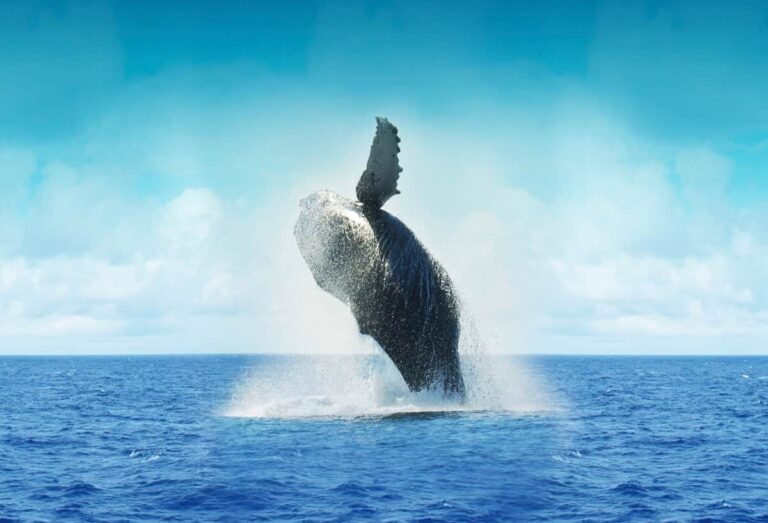
Migrates through Canary waters en route to breeding grounds in tropical latitudes. Encountered rather rarely, but sightings always draw the attention of researchers and tourists. Renowned for complex songs and impressive breaches. They feed mainly on krill and small schooling fish.
An occasional visitor to the region, the killer whale is the largest member of the dolphin family and a top marine predator, preying on fish, squid, and other marine mammals. Orcas live in family pods with advanced social structures and are attracted to the area due to its rich prey diversity and favorable hunting conditions.
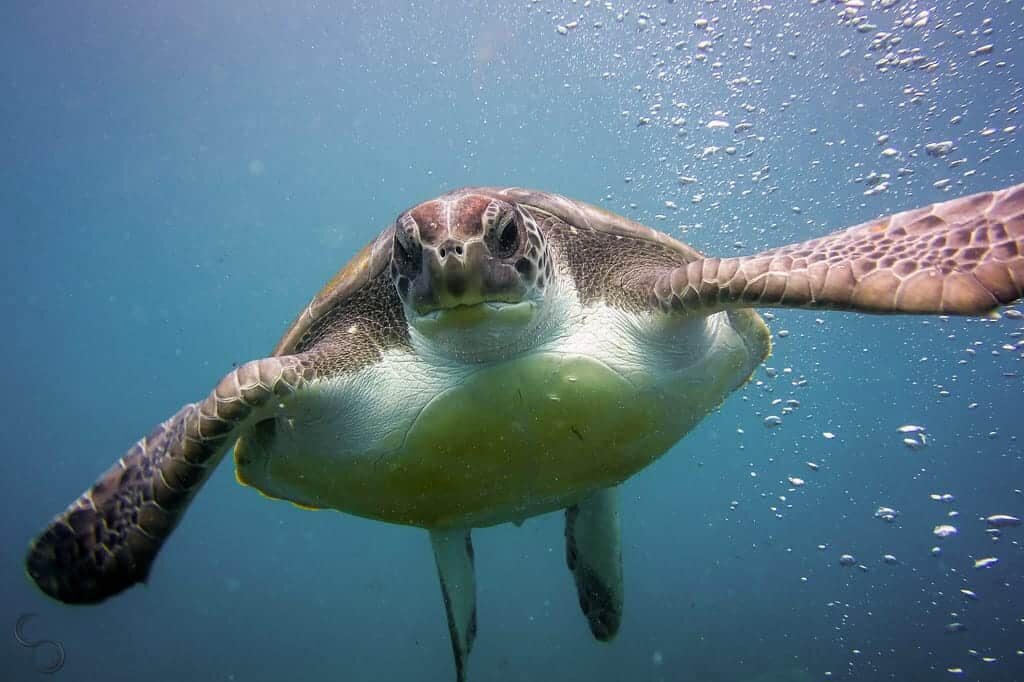
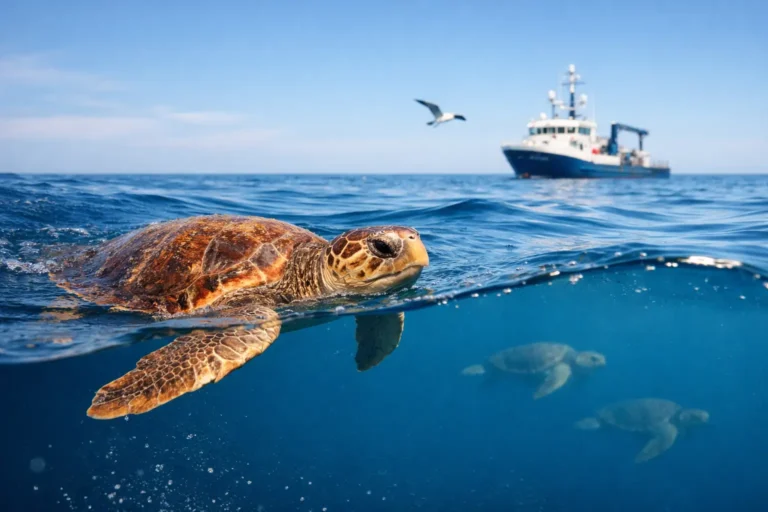
Several sea turtle species are found in the area. The green sea turtle (Chelonia mydas) and leatherback turtle (Dermochelys coriacea) use the warm waters between the islands for feeding and as a migratory transit point. They prefer areas rich in plankton and algae for foraging.
Other than the main species listed above, the area is also home to a variety of other marine mammal representatives, including different types of dolphins, small cetaceans, and rare migratory species, bringing the total to about 23 species. Each species plays an important role in the marine ecosystem. The unique volcanic topography, hydrological conditions, and abundant food base make this region a true haven for marine life.
The waters abound with fish—tuna, marlin, and squid—that feed marine mammals. Diverse invertebrates and plankton further enhance the rich marine life, supporting a complex food web.
A unique opportunity to observe 23 species of marine mammals in their natural habitat. Yacht tours provide comfort, safety, and vivid impressions, while the region is actively supported through environmental and sustainable tourism programs.

Discover the natural wealth of the strait between Tenerife and La Gomera aboard a Royal Ocean yacht—an unforgettable encounter with true marine nature and a chance to witness the unique biodiversity of the Atlantic Ocean.