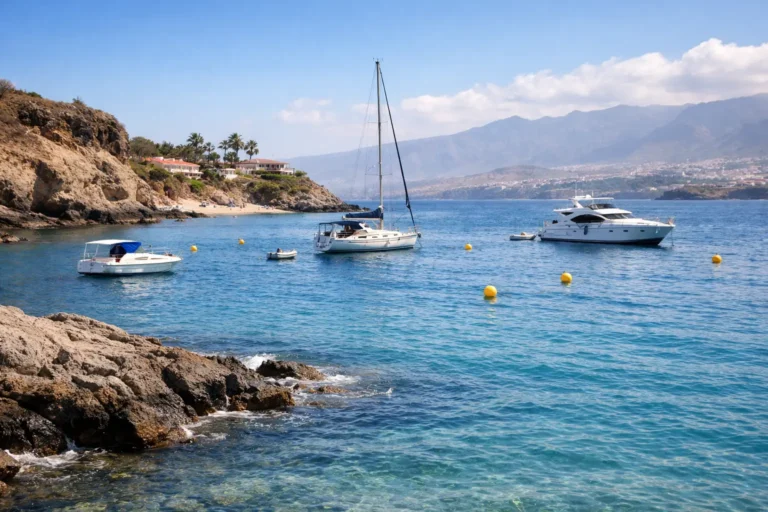
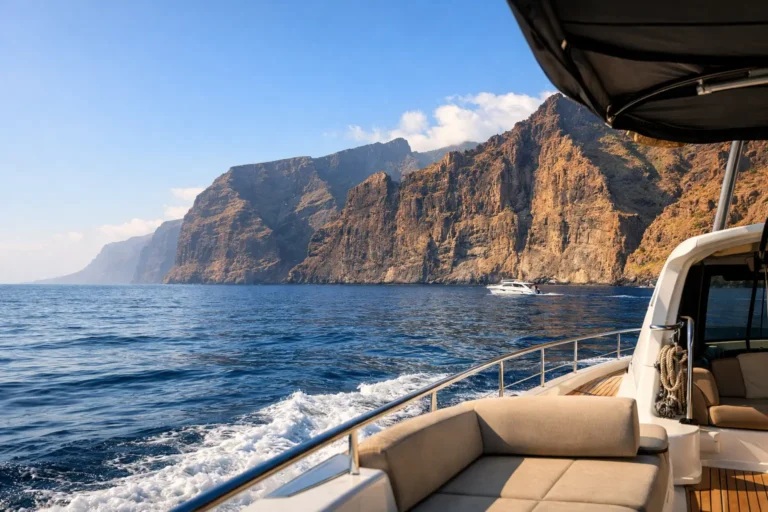
The northeastern edge of Tenerife represents a stark geographical contrast to the island's commercial centers. Beyond the wide, high-occupancy resort beaches of the south, the Anaga coastline rises precipitously from the Atlantic Ocean, characterized by dark volcanic cliffs, deep-cut green ridges, and isolated coves accessible primarily by water. For travelers exploring the Anaga coastline, northern wild coves, and remote cabotage, the experience delivers a technical, highly scenic maritime journey shaped by Atlantic weather patterns and the dramatic topography of Tenerife's least developed shore.

Anaga Rural Park is recognized onshore for its ancient laurel forests and precipitous mountain passes, but its seaward face is considerably more rugged. The absence of modern infrastructure, marinas, or easy land access points creates an environment of strict isolation. From a yacht, the sheer scale of the volcanic cliffs becomes apparent as rock formations interface directly with the deeper waters of the northern Atlantic shelf.
This is not a highly modified marine environment. The deep blue and green hues of the northern waters reflect the depth and purity of the open ocean. A yacht excursion to this region caters specifically to individuals prioritizing deep scenery, privacy, and technical maritime routing over standard coastal leisure cruises.
Cabotage refers specifically to coastal navigation—the art of sailing along a coastline using land features for reference, rather than crossing open ocean. Around the Anaga Peninsula, remote cabotage demands continuous monitoring. The microclimates of Tenerife mean that while a specific headland may offer complete shelter from the prevailing trade winds, the subsequent bay may be fully exposed to northern Atlantic swells.
The northern coves cannot be treated as guaranteed anchorage or swim stops. Their physical characteristics make them highly susceptible to changing marine variables:
| Environmental Factor | Impact on Navigation & Docking | Skipper Protocol |
|---|---|---|
| Ocean Swell | Determines anchor stability and safe distance from cliff faces. | Continuous monitoring of swell height and period. |
| Wind Direction | Can create sudden lee shore risks against vertical rock walls. | Adapting route to leverage natural land barriers. |
| Tidal Action | Alters water depth over shallow volcanic reefs inside coves. | Consulting local tide tables before approaching any cove. |
When sea conditions settle, anchoring within a protected pocket beneath the cliffs provides an exceptional, silent perspective of the wilderness. However, if conditions present risks, an experienced crew will maintain a safe passage offshore, prioritizing vessel safety and passenger comfort over a rigid itinerary.
The vast majority of premium yacht charters in Tenerife operate out of southern ports like Puerto Colón or Marina San Miguel. The south features reliable sunshine, protection from trade winds by the island’s central peak (El Teide), and resident populations of short-finned pilot whales and bottlenose dolphins, making brief excursions highly predictable.
Conversely, an Anaga itinerary is a distinct, long-distance undertakings. It demands increased cruising hours, precise fuel and passage planning, and a flexible mindset. For this reason, exploring the north is optimized via a full-day private charter rather than a rigid shared public tour.
For visitors based in southern regions like Costa Adeje or Los Cristianos, an Anaga excursion should be viewed as an immersive day-long expedition. Allocating proper time ensures the vessel can navigate at an appropriate pace, adapting to the natural rhythm of the ocean without forcing a hurried return.
A professional charter day begins with a thorough pre-departure assessment. The skipper evaluates updated marine forecasts from official meteorological agencies to verify that the swell, wind speed, and visibility align with safe operating limits for the specific yacht class. Because the Atlantic can shift rapidly between the sheltered southern leeward side and the exposed northern windward side, clear pre-cruise briefing is standard practice, especially when traveling with younger family members.
Onboard comfort during a long coastal transit relies heavily on vessel design and service standards:
The marine channels surrounding Tenerife are globally recognized habitats for diverse wildlife, including resident populations of pilot whales and bottlenose dolphins. While these cetaceans are regularly encountered along the southwestern coast, a northern transit should not be booked solely for wildlife watching. The Anaga route is primarily a landscape-led, geological itinerary.
Swimming safety is evaluated on a case-by-case basis. A cove that appears tranquil from the clifftops can harbor strong undertows or hidden swells at sea level. The skipper holds final authority on whether launching water toys or swimming is permitted. Passengers are advised to bring high-factor marine-safe sunscreen, a windproof outer layer for the cooler afternoon transit, and appropriate motion sickness remedies if sensitive to open ocean motion.
An Anaga maritime expedition is ideally suited for travelers wanting to experience Tenerife beyond the standard tourist zones. It offers deep value to landscape photographers, repeat visitors seeking a unique perspective, and private groups prioritizing remote wilderness over busy beach bays.
It is generally less suited for individuals with limited time budgets (under 6–8 hours), those highly prone to motion sickness, or families with very young toddlers who require frequent shore stops. Sharing clear priorities with your charter coordinator—such as desired swim times, catering preferences, and passenger details—allows the crew to design a realistic, safe, and highly rewarding maritime route along Tenerife’s wild northern frontier.
No. Due to the exposed nature of the northern coast, swim stops and anchoring are entirely dependent on real-time sea swell, wind directions, and safety assessments by the skipper on the day of the charter.
Because of the distance from the main southern marinas, a thorough exploration of the Anaga coastline typically requires a full-day private charter of 7 to 8 hours minimum to ensure a safe, unhurried transit.
While marine wildlife moves freely around Tenerife, cetaceans are far more concentrated and predictably sighted in the marine calm of the southwest coast. The Anaga route focuses primarily on dramatic volcanic topography and remote coastal wilderness.