Tenerife boasts one of the richest histories among the Canary Islands. Its uniqueness lies in its ancient volcanic origins, the culture of a mysterious people who inhabited the island for millennia, and its remarkable transformation from a backward region into one of Spain's premier tourist destinations.
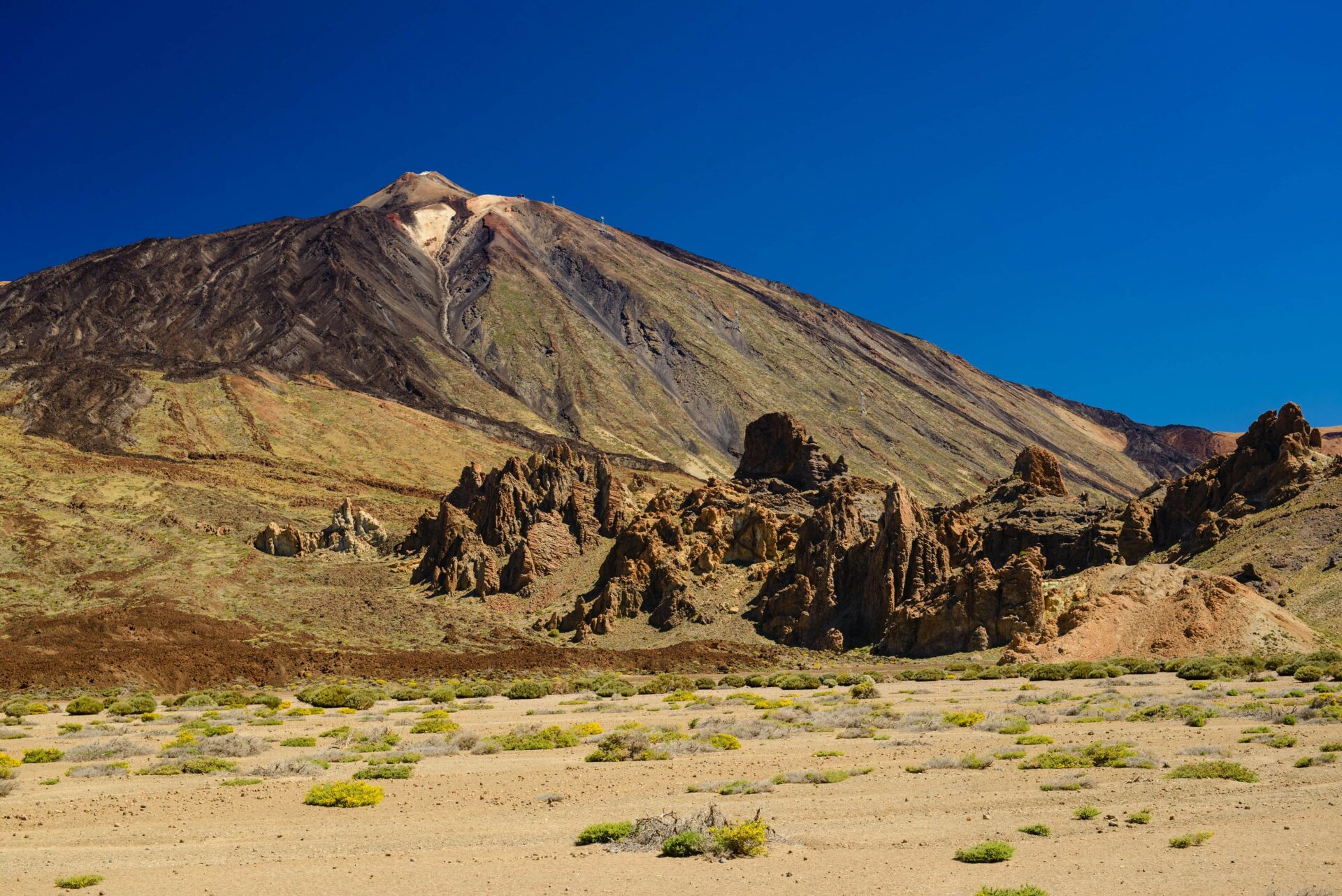
Over 12 million years ago, underwater eruptions in the Atlantic began shaping Tenerife's geological foundation, gradually building three ancient massifs — Teno, Anaga, and Adeje — into a massive shield. The crowning achievement of this volcanic creation was Teide, the highest point not only on the island but across all of Spain, rising to 3,718 meters. This volcanic base created a unique landscape: black lava beaches contrast with fertile soils, deep gorges slice through mountain ranges, and jagged rock peaks soar above the clouds.
Between the 5th century BCE and the beginning of the Common Era, the Guanches — a Berber people from North Africa — arrived on the island, establishing a distinctive civilization that thrived in isolation for over two millennia. These people adapted to the island's volcanic environment, developing an economy based on pastoral livestock farming and agriculture. They grew barley, grinding it into gofio — a traditional dish made from flour — and herded goats and other animals on mountain slopes.
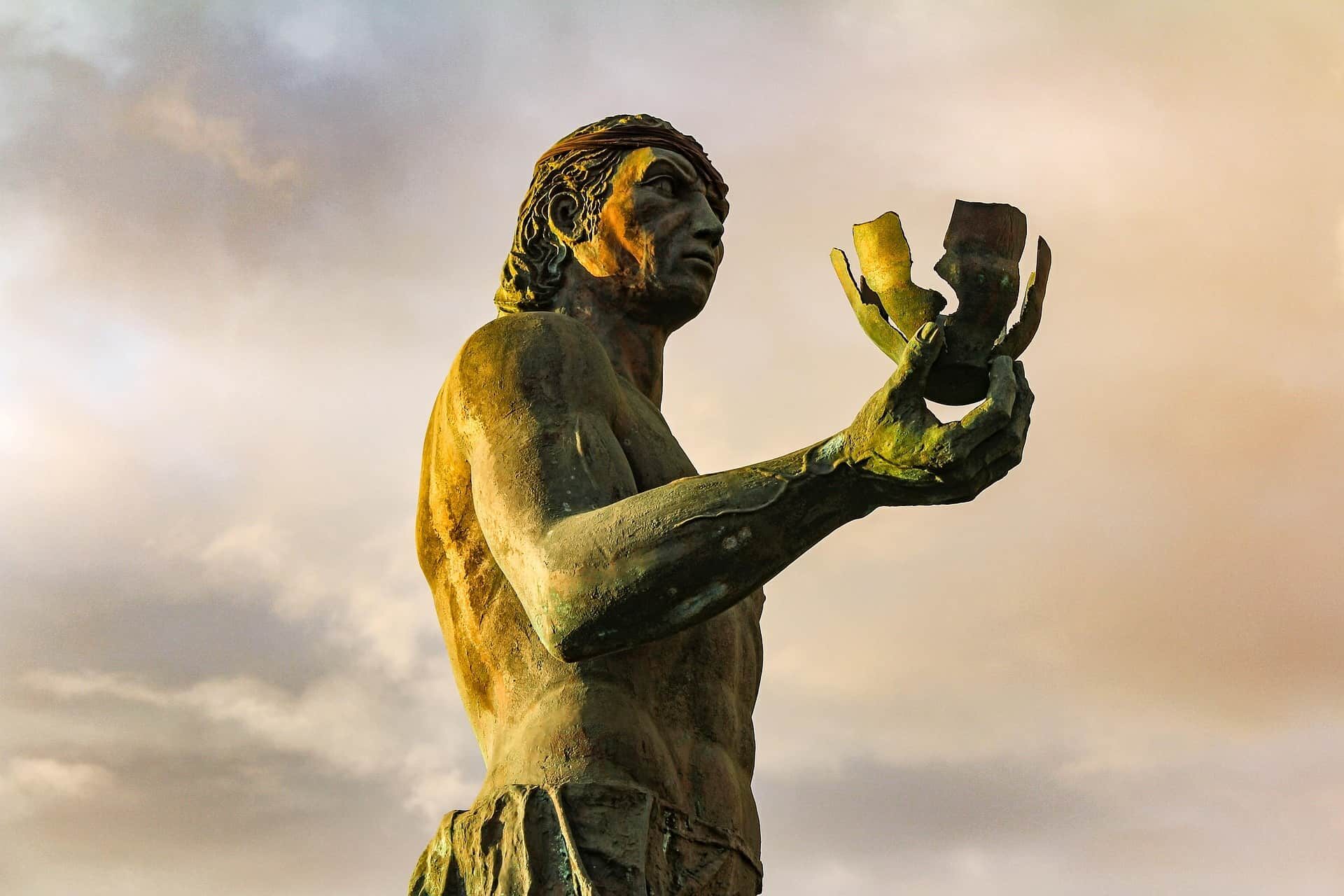
The Guanches had a sophisticated social structure: the island was divided into nine independent kingdoms, each ruled by a mencey chief. Spanish chronicles preserved accounts of their exceptional physical prowess, noting that the Guanches could run at astonishing speeds and cover vast distances. They mummified their dead, believing in an afterlife, and worshipped gods, including the sun deity Achuhuran.
In the late 15th century, the wave of Spanish colonization reached the Canary Islands. Between 1494 and 1496, commander Alonso Fernández de Lugo undertook the conquest of Tenerife, the last Canary Island beyond Spanish control. The subjugation was far from peaceful: the Guanches, led by their chiefs including the famed Bencomo, mounted fierce resistance in several battles.
However, the Spanish conquerors held significant advantages with firearms and organized armies. Moreover, European diseases, to which the indigenous population had no immunity, inflicted devastating losses on Guanche society. The remnants of the defeated people were either enslaved or gradually assimilated by Spanish settlers. After Spanish control was established, the island transformed rapidly: sugar cane plantations flourished, followed by vineyards that supplied the Spanish court. Tenerife became a strategically vital Spanish fortress in the Atlantic.
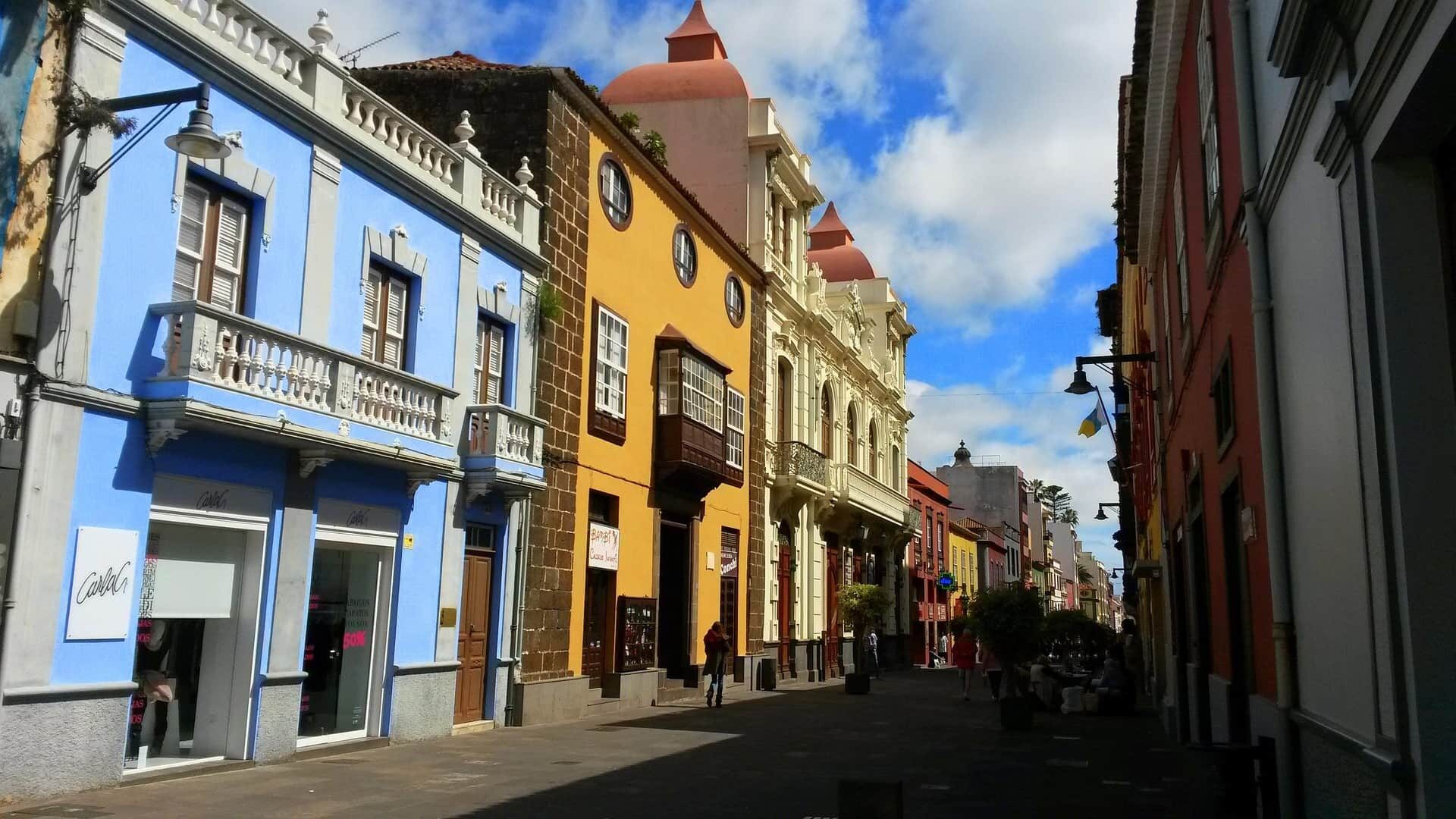
Four centuries later, in the 20th century, the island underwent dramatic changes. The Spanish Civil War (1936–1939) left its mark on Tenerife, where the island supported Franco's Nationalists. In the postwar decades, the island plunged into economic crisis. Traditional agriculture collapsed: phylloxera blight destroyed the vineyards that had long been the backbone of the economy. Thousands of residents, seeing no prospects on the island, emigrated to Venezuela and Cuba, leaving entire villages half-empty.
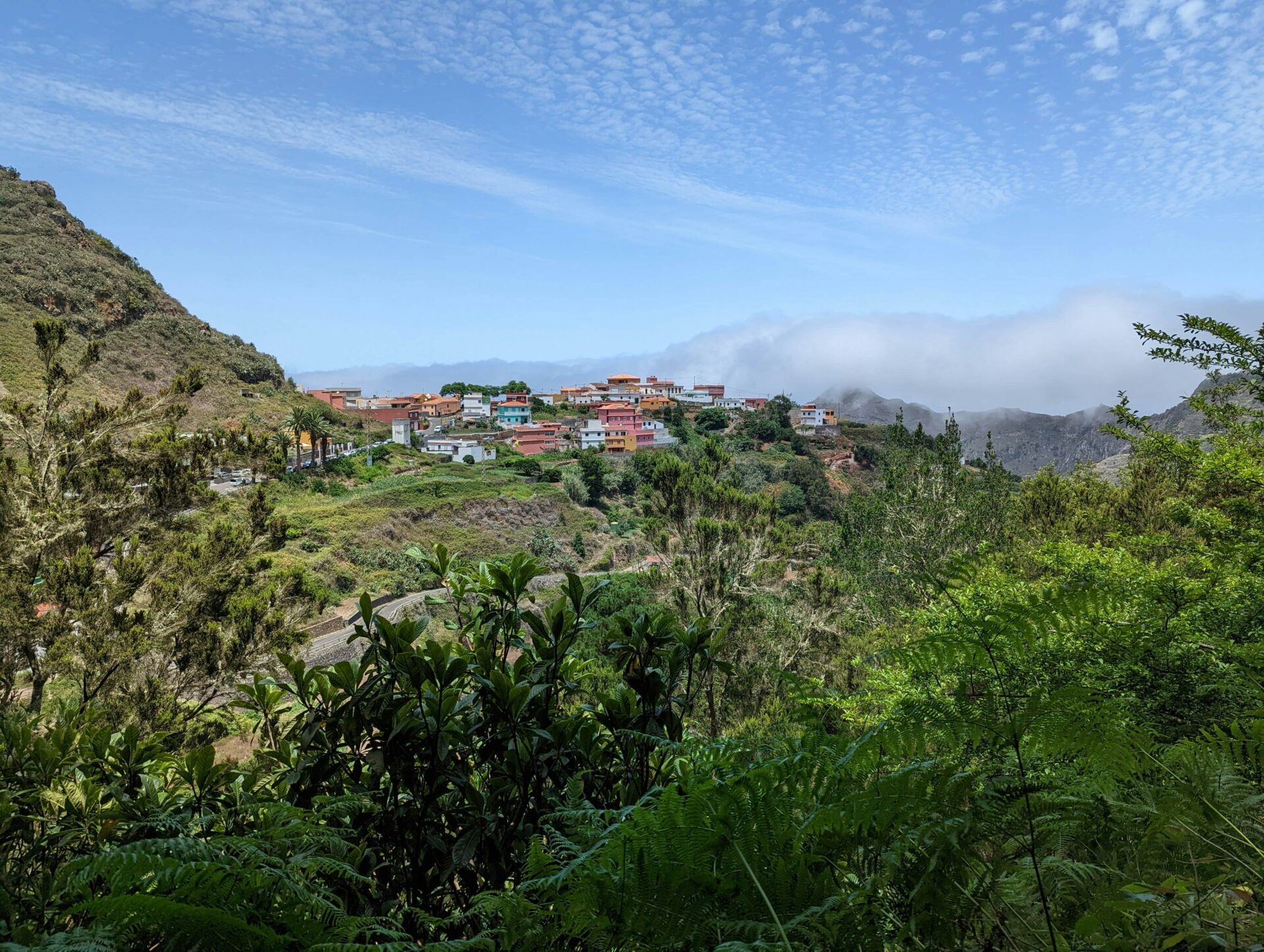
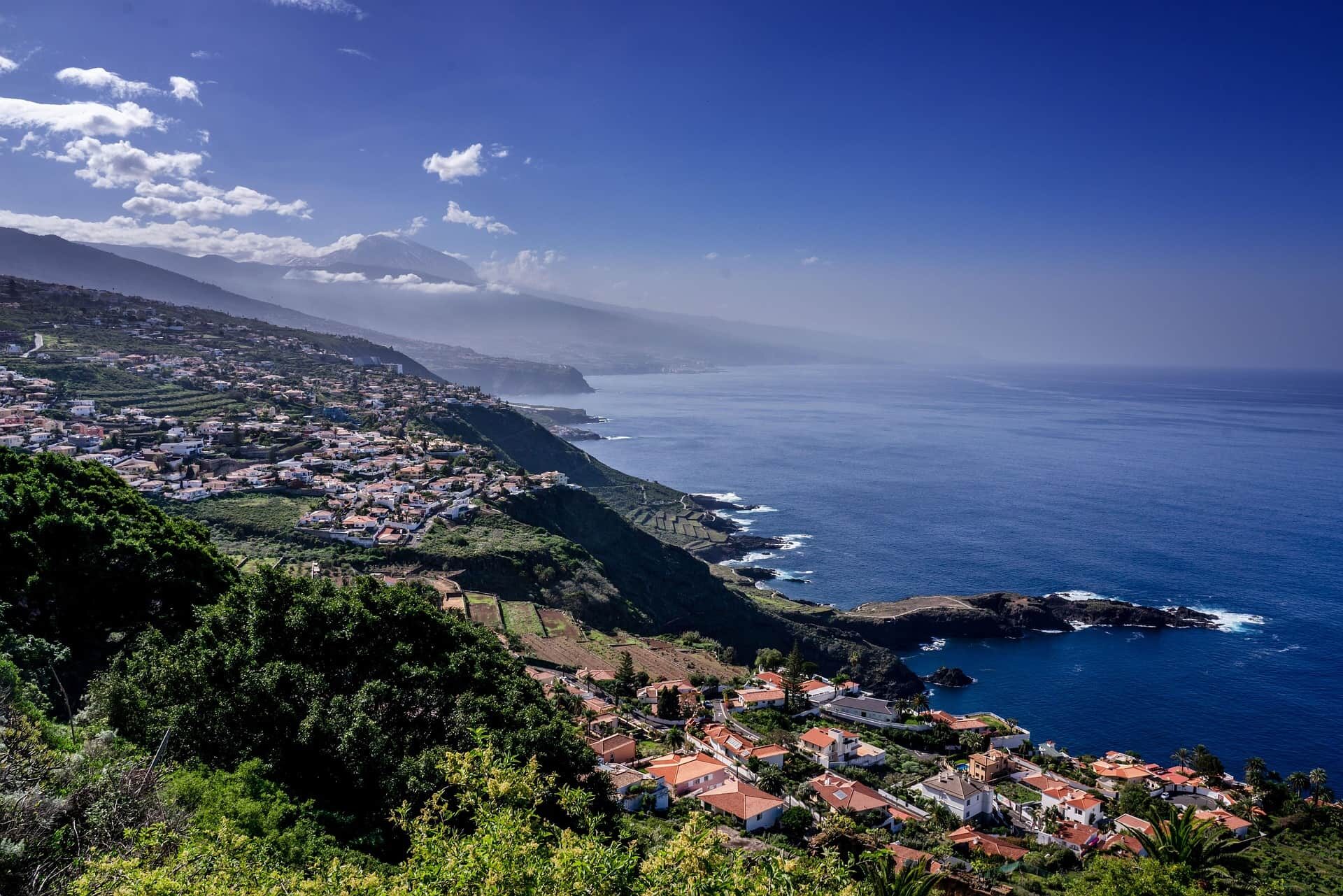
Yet in the 1950s, the situation began to change radically. The Spanish government decided to invest in developing the Canary Islands' infrastructure. Northern resorts, especially Puerto de la Cruz, were already attracting European tourists with their mild climate. This period laid the foundations for the tourism industry that would transform the island in the coming decades.
The true tourism boom began in the 1960s–1970s with the expansion of air travel. The opening of airports — Tenerife Norte in 1971 and Tenerife Sur Reina Sofía in 1978 — dramatically increased tourist arrivals. Intensive construction of hotel and resort infrastructure kicked off, particularly in the island's south. Costa Adeje, Playa de las Américas, and Los Cristianos literally rose from the sand in a matter of years. To create beaches, local authorities even imported sand from the Sahara to shield tourists from the lava rocks.
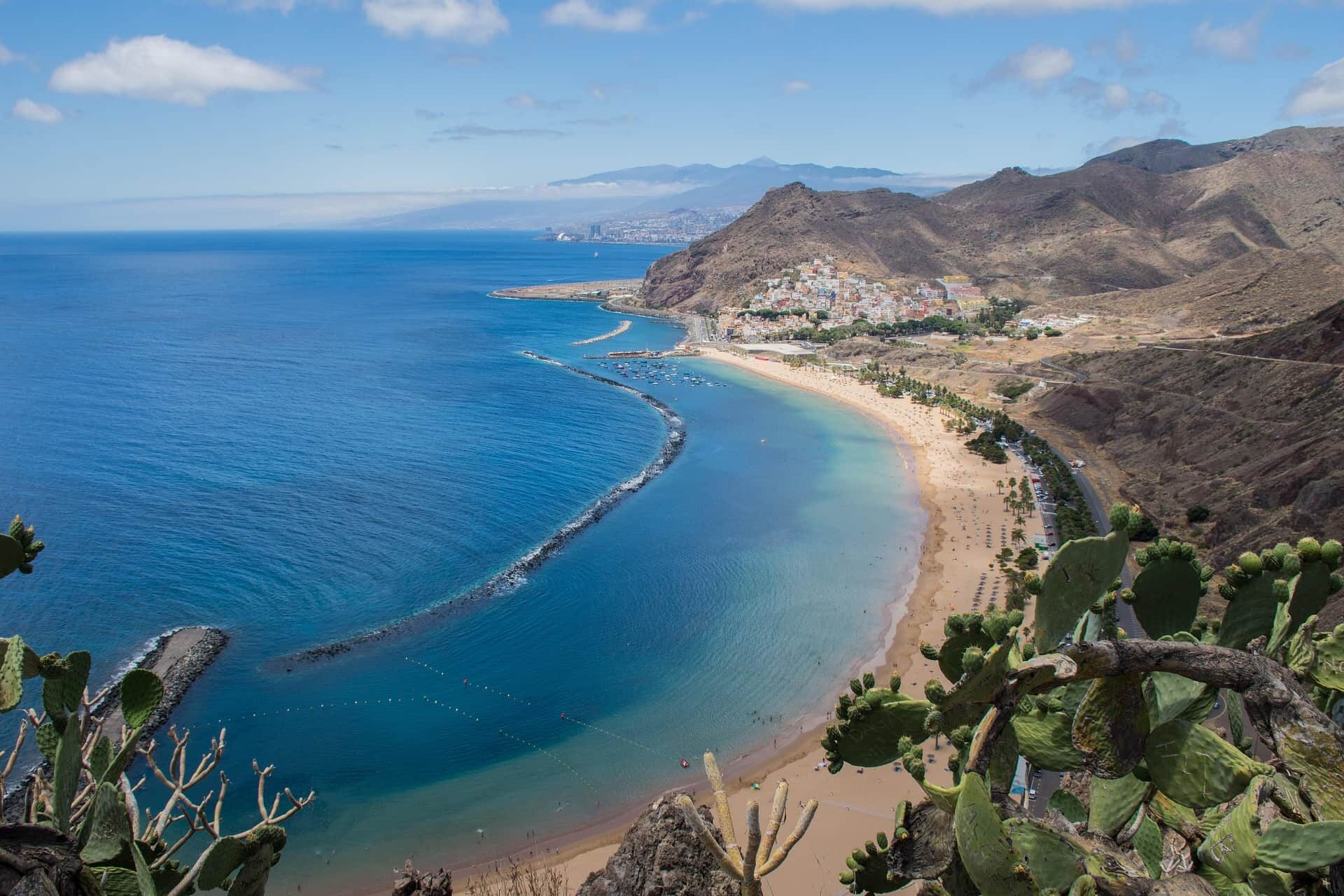
By the 1980s, tourism dominated the island's economy. The island, on the brink of collapse in the 1950s, had become a thriving resort hub attracting millions of tourists annually. The tourism industry became the main source of income, employing most of the population and fundamentally altering Tenerife's appearance. The island's history, which began with volcanic fire millions of years ago, continued into the era of mass tourism, turning the ancient volcanic shield into a modern oasis of relaxation under the Spanish sun.