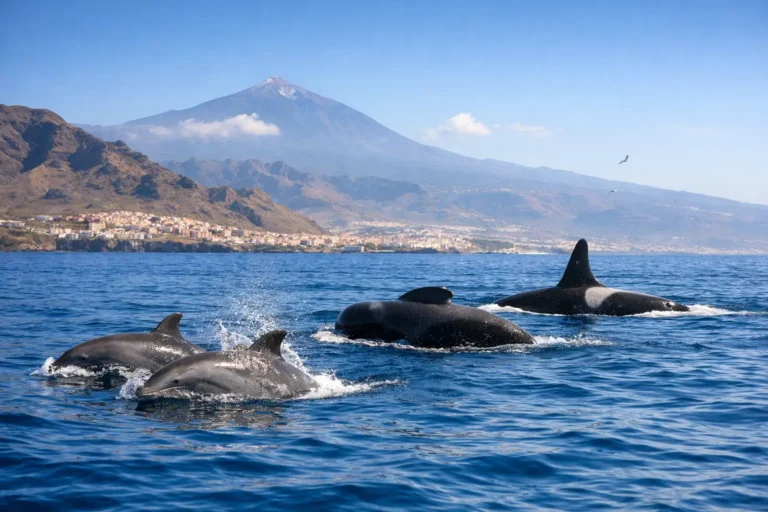
Yes, several shark species inhabit the waters surrounding Tenerife, but incidents involving humans are extraordinarily rare. For most visitors, the island's marine environment is defined not by danger but by its remarkable diversity — pilot whales, bottlenose dolphins, sea turtles, and clear Atlantic waters that support a thriving ecosystem. Understanding what actually swims in these waters helps transform potential anxiety into informed appreciation.
The Canary Islands sit within a healthy Atlantic ecosystem where several shark species naturally occur. However, the vast majority remain far offshore, frequent deeper waters, and show little interest in human activity. For travellers choosing time on the water—whether swimming from a beach near Costa Adeje or enjoying a premium yacht charter — the real safety considerations are far more mundane: sun exposure, currents, hydration, and overconfidence in open water.
Several shark species have been recorded in the waters around the Canary Islands, according to marine biology surveys and fisheries data. These include angel sharks (Squatina squatina), blue sharks (Prionace glauca), scalloped hammerheads (Sphyrna lewini), shortfin makos (Isurus oxyrinchus), and various deep-water species such as gulper sharks and lantern sharks.
Not all of these are commonly observed. Many species inhabit offshore depths exceeding 200 metres, remaining far from the sandy beaches and sheltered bays that attract swimmers and snorkellers. Angel sharks, for instance, are benthic (bottom-dwelling) and typically reside on sandy or muddy seabeds, blending with their surroundings rather than approaching surface swimmers.
Blue sharks and makos are pelagic species that roam the open Atlantic, occasionally passing through Canary Island waters during migrations. They are seldom seen on routine leisure trips along the southern coastline from Costa Adeje to Los Cristianos, because these excursions usually remain close to the shore in shallower, nearshore zones selected for scenic value and guest comfort rather than deep-water pelagic encounters.
Importantly, the presence of sharks in Tenerife's waters is not a recent development. Historical fisheries records and scientific monitoring confirm that these species have coexisted with the archipelago's marine ecosystem for centuries. Their continued presence signals a functioning, biologically rich ocean environment rather than a safety hazard.
The International Shark Attack File (ISAF), maintained by the Florida Museum of Natural History, documents shark-human incidents worldwide. According to ISAF data, the Canary Islands have recorded very few verified shark-related incidents in modern history, none of which proved fatal.
For context, global annual fatalities from shark encounters average fewer than ten per year, according to the ISAF. By comparison, the World Health Organization estimates that drowning accounts for approximately 236,000 deaths annually worldwide. In the Canary Islands specifically, coastguard and lifeguard services devote considerably more attention to managing rip currents, assisting distressed swimmers, and monitoring bathing conditions than to shark surveillance—not because sharks are ignored, but because they represent a negligible day-to-day concern for visitors and residents alike.
When evaluating risk in Tenerife specifically, tourists are statistically far more likely to encounter issues related to sunstroke, dehydration, strong currents, or minor jellyfish stings than any shark-related incident. The island's emergency services treat these as their primary operational priorities.
Several natural factors explain why sharks seldom venture close to Tenerife's popular swimming beaches:
These factors combine to make encounters between swimmers and sharks in Tenerife's nearshore waters exceptionally unlikely. The island's beaches remain safe, enjoyable environments for visitors of all ages.
Most visitors departing from south Tenerife's marinas—Puerto Colón, Los Cristianos, or Marina San Miguel—are significantly more likely to observe cetaceans than sharks. The stretch of water between Tenerife and La Gomera forms part of a permanent resident population of short-finned pilot whales (Globicephala macrorhynchus), alongside substantial groups of bottlenose dolphins (Tursiops truncatus).
According to the Canary Islands government's environmental monitoring programmes, the archipelago is home to over 20 cetacean species, making it one of Europe's premier whale-watching destinations. Whale-watching operators report high sighting success throughout the year, with many excursions encountering marine mammals on most trips.
Other common marine life includes:
Sharks are a natural part of Tenerife's Atlantic ecosystem, but they are not the focal point of typical visitor experiences. For the vast majority of travellers—especially families, couples, and groups seeking a premium day at sea—the marine story of Tenerife centres on peaceful encounters, scenic coastlines, and the pleasure of being on the water with confidence.
Generally, yes—provided visitors exercise standard open-water precautions. Tenerife's beaches vary considerably in character. Sheltered bays such as Playa del Duque in Costa Adeje offer calm, gently sloping entry points suitable for families and less confident swimmers. Other beaches, particularly those along the northern coast or exposed stretches such as Playa de las Américas, experience more significant swell and stronger undertows.
Local authorities operate flag systems indicating bathing conditions:
| Flag Colour | Meaning | Recommended Action |
|---|---|---|
| Green | Calm conditions, safe for swimming | Swim with standard precautions |
| Yellow | Moderate conditions, exercise caution | Swim with care, avoid strong currents |
| Red | Dangerous conditions, no swimming | Do not enter the water |
Lifeguard advice and flag indicators should always be respected, regardless of how calm the sea appears from the shore. A beach that looks tranquil can still harbour rip currents or sudden changes in depth.
Boat trips offer a different set of safety considerations. Professional operators, including premium charter companies, select swim stops based on multiple factors: wind direction, swell height, sea traffic, water depth, and the ease of guest entry and exit. Crews assess these variables before each stop, and they remain watchful during swimming periods.
For guests who are less confident in open water, several sensible measures enhance safety:
Personal judgement remains important. Guests who feel tired, have spent extended time in direct sun, or simply do not feel comfortable in deeper water can remain on board without detracting from their experience. A refined day at sea should never feel like a test of endurance or bravery.
Marine life safety in Tenerife centres on respect for the sea and its inhabitants rather than fear of dramatic threats. While sharks are the headline topic, most visitors encounter far more immediate considerations:
Practical safety measures include:
Premium yacht charters offer distinct advantages in this regard. Smaller guest numbers mean more individual attention, quieter swim stops without crowds, and less pressure to rush. This environment allows guests to ask questions, set their own pace, and enjoy the sea with far greater ease than on larger excursion vessels.
Shark sightings do occur in Canary Island waters, though they are uncommon on routine leisure trips operating along the established routes from south Tenerife. When sightings happen, they typically generate interest rather than alarm.
Experienced crews follow established protocols:
The type of excursion significantly affects the likelihood of shark encounters. Specialised offshore fishing trips or research-led expeditions operate in different areas and depths compared to whale-watching cruises or scenic charters. Guests on leisure-oriented tours typically remain in areas selected for beauty, wildlife interest, and guest enjoyment rather than pelagic species observation.
The distinction is worth keeping in mind when reading online reports. A fishing charter targeting blue sharks 20 nautical miles offshore operates in a completely different context from a whale-watching trip within 3 nautical miles of the coast.
For nervous or first-time visitors, asking specific practical questions before booking provides useful reassurance:
These details reveal more about the likely comfort level of an excursion than any shark myth. Professional operators welcome such questions; they indicate that guests are engaged and safety-conscious.
The best sea days combine elegance with professionalism. A well-maintained vessel, attentive crew, quality refreshments, and careful route planning all contribute to the same outcome: peace of mind. For many guests, this is precisely what transforms a simple boat trip into a genuinely memorable part of their holiday.
Guests expect the experience to feel relaxed, scenic and professionally managed. Operators who consistently deliver this standard build lasting reputations for quality and reliability.
Great white sharks (Carcharodon carcharias) have occasionally been recorded in Canary Island waters, but they are exceptionally rare visitors. There are no confirmed resident populations, and sightings are isolated events. The species migrates through the eastern Atlantic but does not habitually frequent the archipelago's nearshore waters.
Yes, swimming in Tenerife's sea is generally safe with standard precautions. Pay attention to beach flags and lifeguard advice, avoid swimming during adverse weather, and stay within designated bathing areas. For those on boat trips, follow crew instructions and use life jackets if uncertain.
The most common marine hazards in Tenerife are minor and manageable: jellyfish stings, weever fish spines, and sea urchin punctures. Sharks present a statistically negligible risk. The greater safety concerns are rip currents, sun exposure, and dehydration.
The Canary Islands have recorded very few verified shark incidents in modern history, and none have been fatal. The International Shark Attack File shows no confirmed fatalities in Tenerife's waters.
Pilot whales and bottlenose dolphins are resident year-round, making every season suitable for sightings. Water conditions are generally calmer between May and October, though the islands' mild climate supports excursions throughout the year.
Most shark species in the region favour deeper offshore waters. Shallow inshore areas popular with swimmers and snorkellers are not typically frequented by sharks, as these habitats offer little of what sharks seek in terms of prey or environmental conditions.
It is possible but uncommon. Whale-watching excursions focus on resident cetaceans close to the southern coast, while most shark species remain farther offshore. Sightings of sharks on standard whale-watching trips are rare.
No. Sharks are not considered a practical safety concern for visitors to Tenerife. Following beach flag warnings, respecting lifeguard advice, and staying aware of sea conditions are far more important for your safety than worrying about sharks.