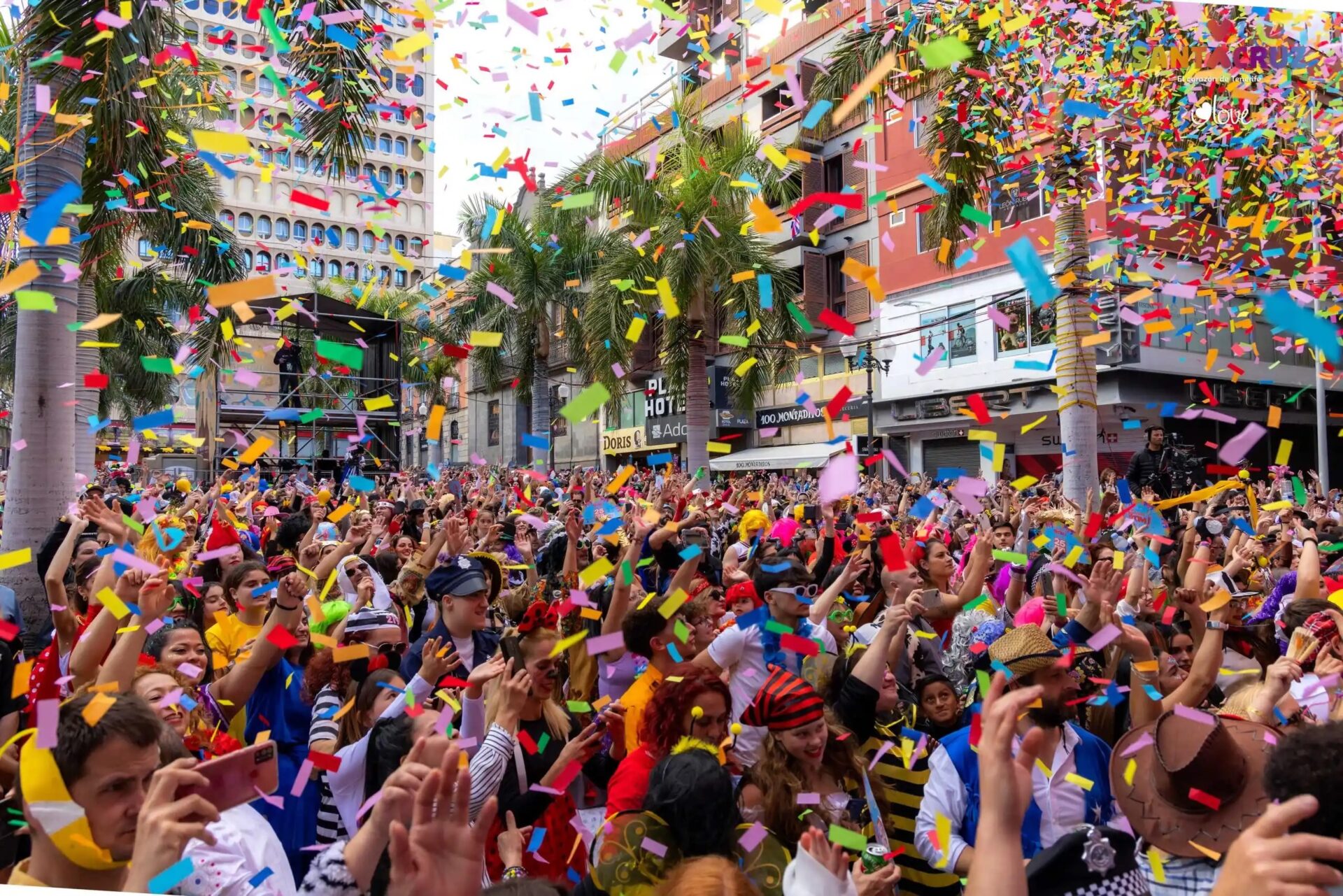
Tenerife Carnival is a phenomenon that defies simple description. For three weeks, the island’s capital, Santa Cruz, sheds its skin as a quiet port city and transforms into a pulsing, glitter-covered organism. Ranked globally as second only to Rio de Janeiro, this celebration is a masterclass in organized chaos, combining high-fashion engineering with raw, unbridled street energy.
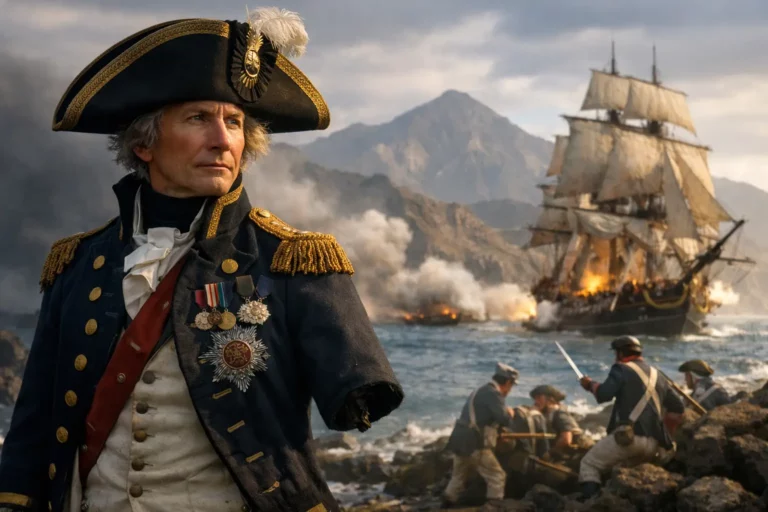
To understand why the locals (Chicharreros) are so passionate about Carnival, you have to look at its history. During the mid-20th century, when the celebration was officially banned under the Franco regime, the people of Tenerife refused to let it die. They rebranded it as "Winter Festivities" to bypass censorship, hiding their satirical costumes under cloaks and keeping the spirit alive in secret. This legacy of cultural defiance is why the festival feels so authentic today—it’s not a show put on for tourists; it’s a hard-won celebration of freedom and identity.
While most parades feature costumes, Tenerife features structural marvels. The Carnival Queen Gala is the crowning jewel of the season, where contestants wear "dresses" that are closer to parade floats than clothing. These structures can be over 5 meters tall and weigh up to 400 kilograms, constructed from steel, aluminum, wood, and thousands of Swarovski crystals. Because the costumes are too heavy to "wear," they are built on hidden wheeled chassis. Watching a Queen glide across the stage is a surreal experience where the human form disappears into a mountain of feathers and light.
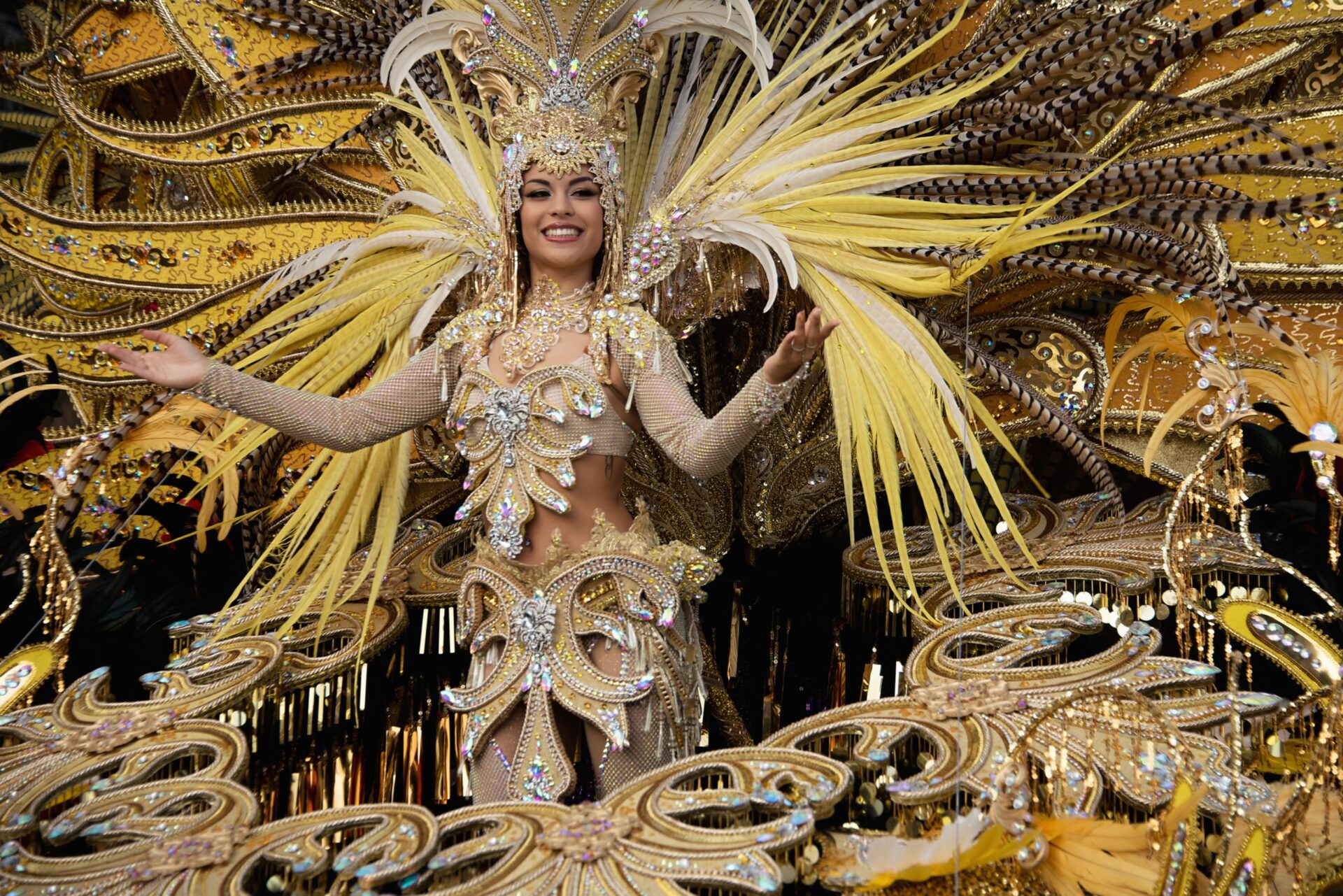
Insider Insight: These costumes cost tens of thousands of euros to produce and are often sponsored by major companies. The craftsmanship begins almost a year in advance, with designers keeping their themes top-secret until the moment the curtains open.
If you don't speak Spanish, the Murgas might seem like just people in clown costumes singing. In reality, they are the satirical heart of the event. These massive choirs (often 40+ people) perform complex verses that lampoon local politicians, social issues, and daily life on the island. They use "pitos" (plastic kazoos) to create their signature buzzing sound between verses.
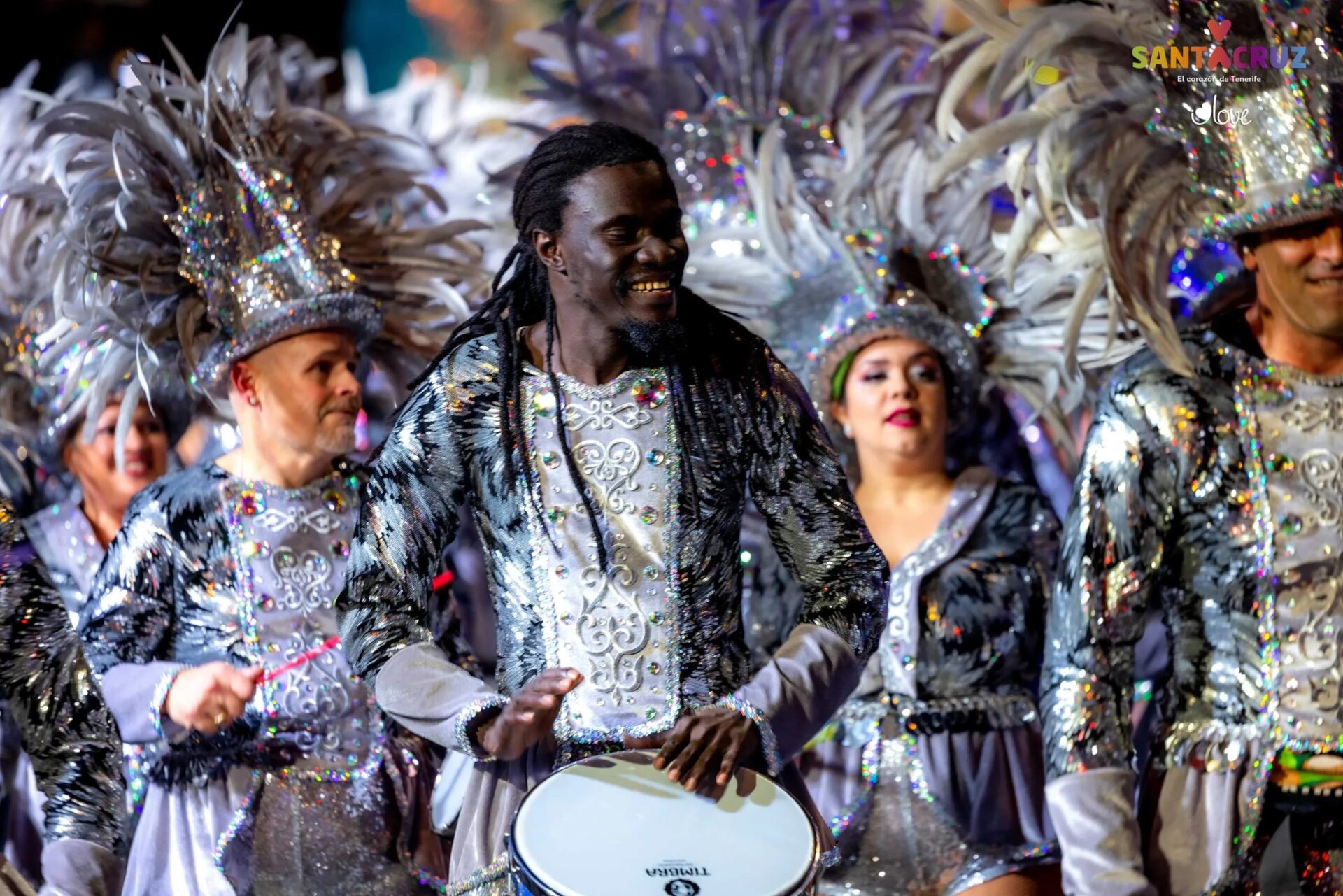
One of the most useful distinctions for a traveler is the difference between Carnaval de Día (Day Carnival) and Carnaval de Noche (Night Carnival). Many visitors assume the party only happens at night, but they would be missing out on some of the best atmosphere.
| Feature | Carnaval de Día (Daytime) | Carnaval de Noche (Nighttime) |
|---|---|---|
| Audience | Multigenerational: families, kids, and seniors. | Younger crowds and serious party-goers. |
| Energy | Lively, sunny, and safe; focus on music and food. | High-intensity, electronic music, and massive crowds. |
| Costumes | Creative, funny, and often "punny" group themes. | Neon, glitter, and more revealing outfits. |
Navigation during Carnival requires a bit of tactical planning. The center of Santa Cruz is almost entirely pedestrianized during the main events, meaning taxis and buses (TITSA) will drop you at the perimeter. Expect to walk—a lot.
The "Ten+" Transport Card: Do not rely on cash or individual tickets. Buy a "Ten+" card at any tram station or kiosk and load it with credit. The tram between La Laguna and Santa Cruz is the most efficient way to enter the city, running 24/7 during the main weekend. However, be prepared for "sardine-can" conditions in the carriages—it’s part of the experience!
Street Food and Safety: While the festival is generally safe, the sheer density of people makes pickpocketing a possibility. Keep your phone in a zipped front pocket. For food, look for temporary stalls selling Churros de Pescado (fried fish) or Tortillas de Carnaval (sweet pancakes with honey and anise). And don't forget the Ron Miel (Honey Rum)—the local fuel that keeps the dancing going until 6:00 AM.
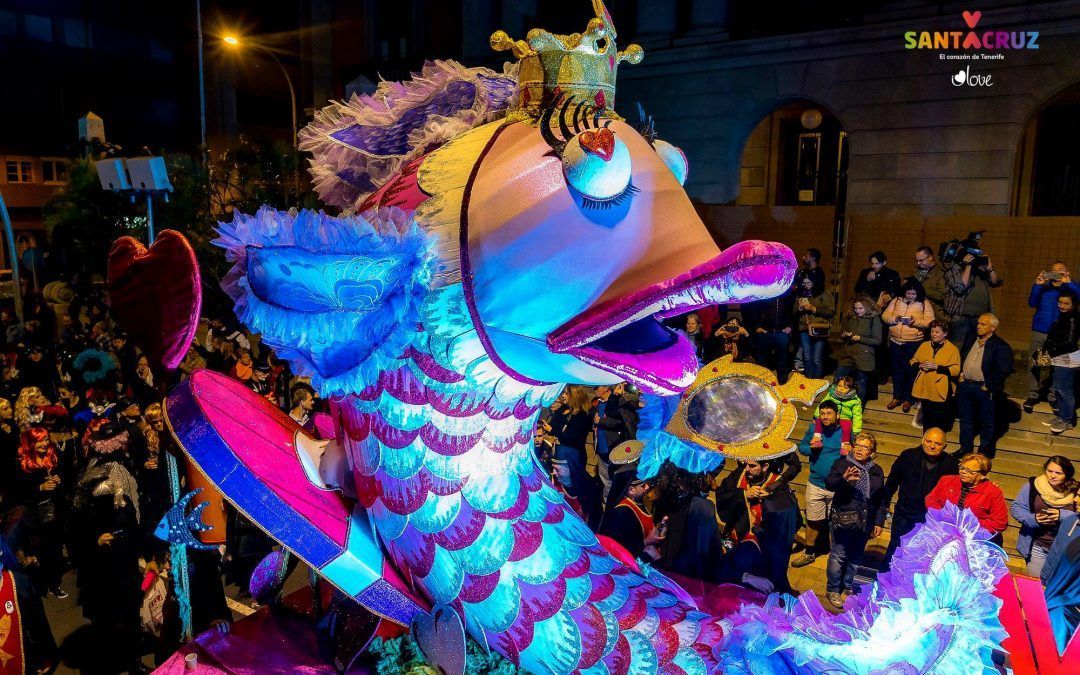
If you only see one event, make it El Entierro de la Sardina. This event is pure Spanish surrealism. A giant cardboard sardine is paraded through the streets, followed by hundreds of "widows" — mostly men in drag wearing black veils and weeping uncontrollably. It is a mock-tragic funeral that ends with the sardine being burned in a massive bonfire at the harbor, accompanied by a spectacular firework show. It represents the burning away of the past and the rebirth of the island's spirit.
Tenerife Carnival is a beautiful contradiction: it is massive yet intimate, chaotic yet deeply organized, and traditional yet incredibly modern. It is the one time of year when the hierarchy of society dissolves, and everyone—from the bus driver to the CEO—stands shoulder to shoulder in a wig and sequins, united by the beat of the drum. If you visit, don't just watch. Put on a mask, find a drum line, and lose yourself in the rhythm.
Photos: Official Tenerife Carnival website — https://carnavaldetenerife.com/